Showing 24 artworks out of 123 with James Abbott Mcneill Whistler and with Reflective
-
James Abbott Mcneill Whistler
-
Reflective
Not available for this selection
- Aesthetic Impressionism
- Tonalism
- Tonalist Aestheticism
- Aestheticism
- Impressionism
- Tonalism & Aestheticism
- Aesthetic Realism
- Aestheticism And Symbolism
- Tonalist
- Symbolism
- Tonalism/Aestheticism
- Realism
- Aesthetic Movement
- Aestheticism
- Tonalism & Aestheticism Tonalism & Aestheticism
- Tonalist Aesthetic
- Tonalist Painting
- Aesthetic Impression
- Aestheticism Tonalism
- Aestheticism Whistler
- Aestheticism And Japonisme
- Aestheticism And Tonalism
- Barbizon School
- Impressionist Aesthetic
- Impressionist Painting
- See all
- Espresso
- Gray
- Phthalo Green
- Rosy Brown
- Walnut
- Driftwood
- Quinacridone Magenta
- Celadon
- Sap Green
- Putty
- Bronze
- Sea Green
- Royal Blue
- Olive
- Clay
- Whistler
- Aestheticism
- Tonalism
- Impressionism
- Fine Art Reproduction
- James Whistler
- Painting
- Portrait
- Victorian Art
- Art
- Victorian
- James Abbott Whistler
- Art For Arts Sake
- Aesthetic Art
- 19Th Century Art
- Whistler Art Print
- Fine Art Print
- Symbolism
- Whistler Artwork
- Aestheticism Art
- Art For Art'S Sake
- Decorative Art
- James Whistler Artwork
- American Art
- James Abbott Mcneill Whistler
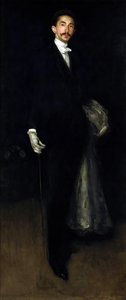
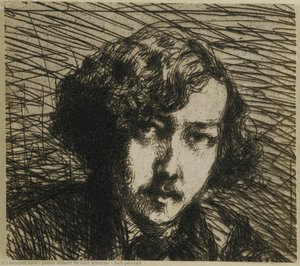
Delicate black and white portrait by James Abbott McNeill Whistler embodies the aesthetic movement's focus on pure visual beauty—a man in formal attire exudes quiet dignity against a minimalist backdrop. Explore this iconic piece and bring timeless elegance into your home.
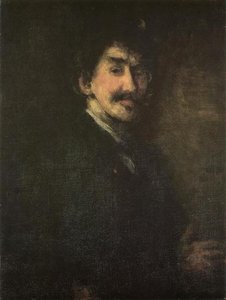
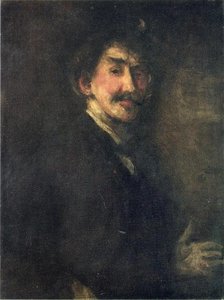
James Abbott McNeill Whistler's 'Gold and Brown' (Self Portrait) is a captivating oil painting showcasing the artist’s refined elegance & introspective mood, housed at the National Gallery of Art.
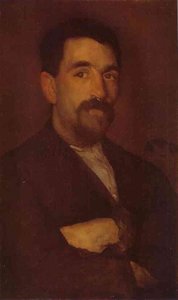
A profound study of quiet dignity featuring a craftsman examining stone, this 1895 masterpiece by James Abbott McNeill Whistler captures the essence of Aestheticism and invites you to explore its tonal beauty.
Whistler’s artistic vision was rooted in a rejection of academic conventions and a fervent belief that art should exist independently of moral or didactic purposes. He meticulously crafted his compositions to achieve maximum visual impact, prioritizing tonal harmony and subtle nuances of light.
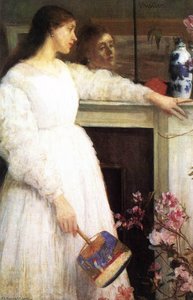
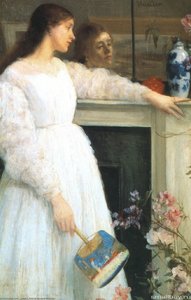
Experience the ethereal beauty of James Abbott McNeill Whistler's Symphony in White, No. 2, an Impressionistic masterpiece of tonal harmony and quiet reflection that invites you to bring timeless elegance into your home.
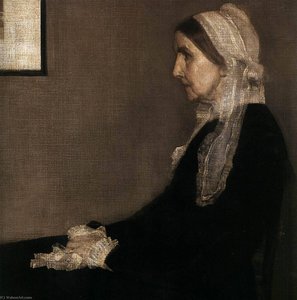
Explore Whistler’s iconic 'The Artist's Mother,' a masterpiece of Aestheticism and a poignant portrayal of familial devotion. Discover its history & symbolism.
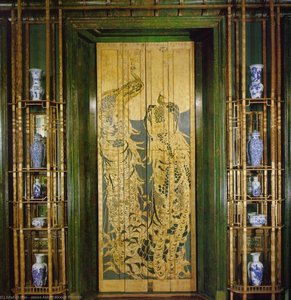
Explore James Abbott Whistler’s ‘Peacock Room,’ a stunning interior masterpiece blending Tonalism & Aestheticism. Gold leaf, peacock murals & rich design – a unique art experience.
James Abbott McNeill Whistler's "Arrangement in Grey and Black No. 1," affectionately known as Whistler’s Mother, is a seminal portrait capturing Victorian aesthetics—a harmonious blend of tonal color and understated elegance.
James Abbott McNeill Whistler (1834-1903) championed 'art for art's sake,' rejecting moralizing narratives. His exploration spanned from West Point to the U.S. Coast Survey, fostering adaptability and exposure to diverse environments.
Gold and Brown (also known as Self Portrait)
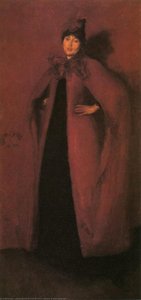
Explore James Abbott McNeill Whistler’s iconic 'Harmony in Red Lamplight' (1886), a masterpiece of tonalism housed at the Hunterian Museum & Art Gallery. Discover its aesthetic principles and influence on Impressionist art.
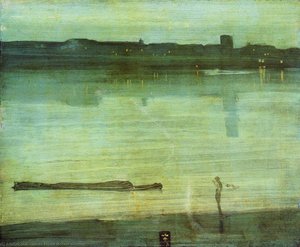
Experience the serene atmosphere of James Abbott McNeill Whistler's Nocturne in Blue and Green, a 1871 Tonalist masterpiece capturing a tranquil moonlit waterfront that invites you to bring this poetic mood into your home.
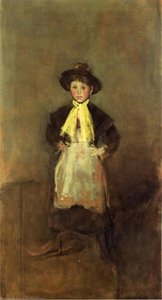
James Abbott McNeill Whistler's 'The Chelsea Girl' (1884) captures a young woman with striking poise and subtle color, reflecting his Aestheticism & innovative portraiture. Explore its composition & significance.
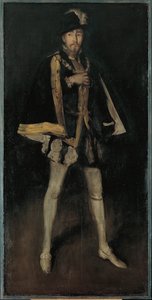
Arrangement in Black, No. 3: Sir Henry Irving as Philip II of Spain
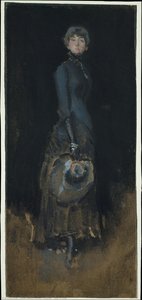
James Whistler's "Lady in Gray" (1883) captures a mysterious woman with striking poise and an enigmatic expression, showcasing his mastery of watercolor and Tonalism.