Showing 24 artworks out of 29 with Jean-Baptiste-Camille Corot and with 1870

-
Jean-Baptiste-Camille Corot
-
1870
Not available for this selection
- Romantic Landscape Painting
- Barbizon School
- Romantic Landscape
- Romanticism
- Neo-Classical Impressionism
- Barbizon Landscape Painting
- Contemporary Realism
- Realism
- Impressionistic Landscape
- Barbizon Landscape Style
- Impressionism
- Realism Realism
- French Landscape Painting
- Tonalism Landscape Painting
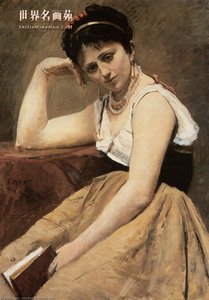
- Interrupted Reading
- Symbolic Landscape
- See all
- Espresso
- Putty
- Gray
- Rosy Brown
- Driftwood
- Walnut
- Quinacridone Magenta
- Khaki
- French Art
- Landscape Painting
- Corot
- Impressionism
- Jean Baptiste Camille Corot
- Corot Painting
- French Impressionism
- Rural Scene
- Oil Painting
- Nature
- Camille Corot
- 1870
- Trees
- Oil On Canvas
- Serene
- Corot Landscape Painting
- Rural Tranquility
- Corot Landscape
- Landscape
- 19Th Century
- Jean Baptiste Corot
- Peaceful
- Pastel Colors
- Barbizon School
- Realism
- Rural France
- Realism Style
- Atmospheric Light
- Plein Air Painting
- Romanticism
- Tranquility
- French Landscape Art
- 1870 Artwork
- Corot Artwork
- Contemplation
- Corot Style
- Atmospheric Painting
- Nature Scene
- Pastoral Art
- 1870S Art
- Serene Scene
- Victorian Era Art
- Impressionist Influence
- Metropolitan Museum Art
- Light And Atmosphere
- Tranquil
- Light And Shadow
- French Artist
- Portrait Painting
- Portrait
Light in Painting cannot be overstated. It is a fundamental factor in the technical representation of the work and has great aesthetic value. Light can determine the composition of the work, the image that the artist wants to project, and even have symbolic components.
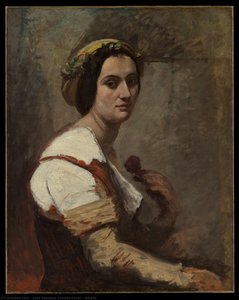
{ "meta_description": "Delve into the serene beauty of Jean Baptiste Camille Corot’s ‘Sibylle,’ a captivating chalk painting from 1870 depicting a woman gazing intently at the viewer with a delicate rose – a masterpiece housed in NYC's Metropolitan Museum.", "json_answer": ""
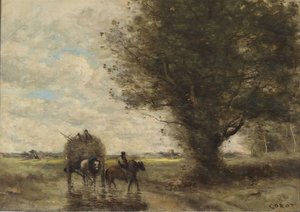
Experience the tranquility of Corot's 'A Ford with Large Trees.' This serene landscape captures rural life and light with masterful Impressionistic brushstrokes.
This evocative depiction captures the tranquility of rural France, showcasing Corot’s masterful use of light and atmosphere. Explore his connection to nature and lasting legacy as a bridge between artistic movements.
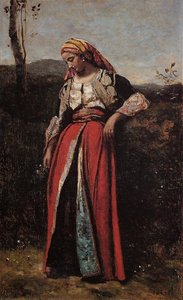
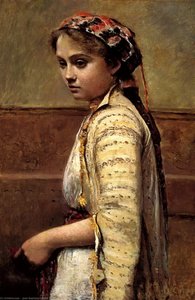
Experience the tranquility of Jean-Baptiste-Camille Corot's 'Pensive Oriental.' A captivating portrait of a woman in contemplation, hand-painted with museum-quality detail. Own a timeless masterpiece today!
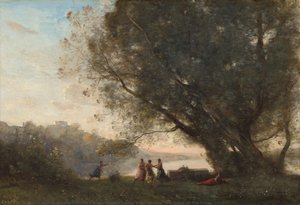
Experience the serene beauty of Jean-Baptiste Corot's 'Dance under the Trees'! This 1870 landscape captures idyllic figures amidst lush greenery and a tranquil lake, showcasing his signature light & atmosphere.
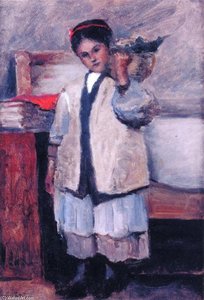
Discover Jean-Baptiste Corot's 'The Greek Girl' (1870), a serene portrait of quiet contemplation. Admire the artist’s masterful realism and romantic style in this captivating oil on canvas, now available as a hand-painted reproduction.
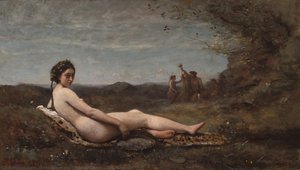
A serene landscape painting depicting a nude woman resting on a grassy mound under a sunny sky, capturing the tranquil beauty of Corot's artistic vision.
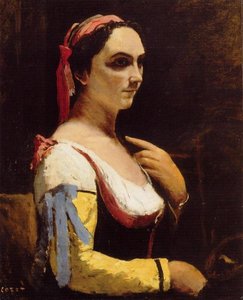
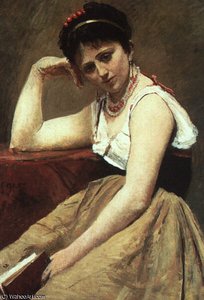
Experience the serene beauty of Jean Baptiste Camille Corot's 'Italian Woman with a Yellow,' a masterful portrait capturing contemplative emotion and bathed in soft, luminous light – now available as exquisite reproductions.
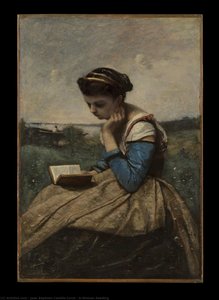
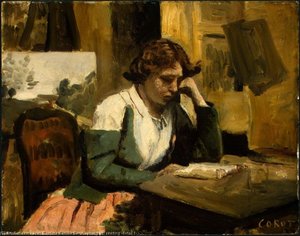
Discover Corot’s ‘Young Girl Reading.’ A serene 1870 oil painting capturing domesticity & Impressionistic beauty. Explore its warm tones & expressive lines.
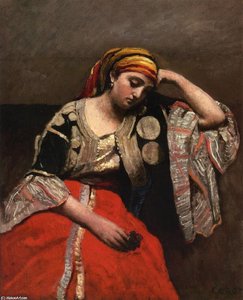
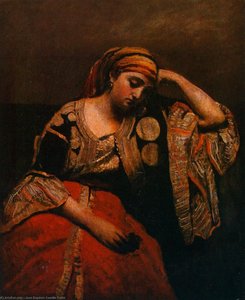
Discover Jean-Baptiste Corot’s ‘Juive d’Alger,’ a captivating 1870 oil painting of a melancholic woman in Mediterranean style. Explore its romantic realism & rich details.
Discover Jean-Baptiste Corot’s ‘Italian Woman,’ a poignant 1870 oil painting showcasing Romanticism's emotive style & rich textures. Explore this captivating portrait of a Jewish Algerian woman.
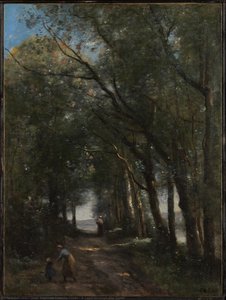
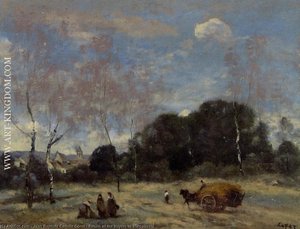
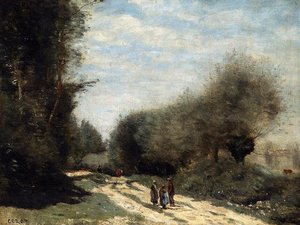
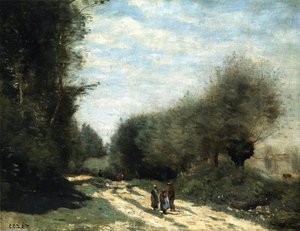
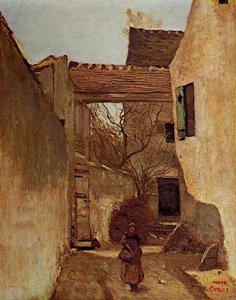
Experience the serene beauty of Corot's 'Crecy-en-Brie - Road in the Country.' This 1870 landscape captures a peaceful rural scene with figures and horses, bathed in light. A timeless classic by a master of Impressionism.
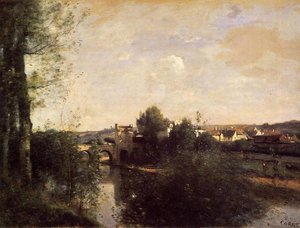
Old Bridge at Limay, on the Seine (c.1870) by Jean-Baptiste-Camille Corot is a stunning Realism painting depicting a picturesque riverside townscape in France. Featuring lush greenery, a tranquil river, and a charming bridge, this artwork embodies Corot's signature style of capturing atmospheric light and conveying profound serenity. Admire Jean-Baptiste-Camille Corot's iconic 'Old Bridge at Lima
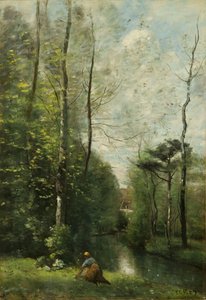
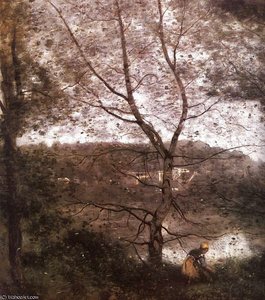
Explore Jean-Baptiste Corot’s ‘Ville d’Avray’. A melancholic 1870 oil landscape featuring a solitary figure & atmospheric realism. Discover Barbizon style & serene rural beauty.
Okay, here’s an analysis of the provided information, designed to be used as content creation material for ArtsDot.com and similar platforms, focusing on the “Crecy-en-brie - Road in the Countryside” artwork: --- **ARTWORK FOCUS: Jean-Baptiste-Camille Corot – *Crecy-en-Brie – Road in the Countryside*** **Aesthetic & Historical Context:** Jean-Baptiste-Camille Corot’s “Crecy-en-Brie” (circa 18
Jean-Baptiste-Camille Corot Oil Painting A Life Immersed in Light and LandscapeJean-Baptiste-Camille Corot, a name that resonates with the tranquil beauty of 19th-century French landscape painting, was born into a comfortable Parisian bourgeois family on July 16, 1796. Though initially steered towards a commercial path, destiny – and perhaps an innate artistic sensibility – intervened. His early
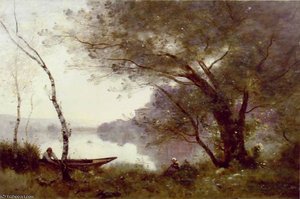
Jean-Baptiste-Camille Corot’s ‘The Boatman of Mortefontaine,’ painted around 1865/70, embodies Realism's serene exploration of landscape. Capturing ethereal light and atmospheric depth in a Parisian park setting, this masterpiece showcases Corot’s pioneering plein-air technique and enduring influence on Impressionists.
Jean-Baptiste-Camille Corot A Life Immersed in Light and LandscapeJean-Baptiste-Camille Corot, a name that resonates with the tranquil beauty of 19th-century French landscape painting, was born into a comfortable Parisian bourgeois family on July 16, 1796. Though initially steered towards a commercial path, destiny – and perhaps an innate artistic sensibility – intervened. His early years were ma