Showing 24 artworks out of more than 240+ with Katsushika Hokusai and with Acrylic On Canvas
-
Katsushika Hokusai
-
Acrylic On Canvas
Not available for this selection
- Japanese Ukiyo-E
- Japanese Landscape Painting
- Ukiyo-E
- Impressionism
- Japanese Landscape Printmaking
- Impressionistic Landscape
- Japanese Landscape
- Japanese Landscape Print
- Japanese Ukiyo-E Tradition
- Japanese Printmaking
- Japanese Edo
- Japanese Edo Period
- Japanese Watercolor
- Ukiyo-E Tradition
- Japanese Art
- Other
- Japanese Prints
- Ukiyo-E School
- Japanese Landscape Tradition
- Impressionistic Wave
- Impressionistic Landscape Painting
- Japanese Expressionism
- Edo Period
- Japanese Romanticism
- Traditional Japanese Ukiyo-E
- See all
- Putty
- Rosy Brown
- Gray
- Driftwood
- Espresso
- Sap Green
- Sea Green
- Phthalo Green
- Prussian Blue
- Quinacridone Magenta
- Khaki
- Clay
- Japanese Art
- Edo Period
- Hokusai
- Landscape Painting
- Fine Art Reproduction
- Ukiyo-E Print
- Traditional Japanese Art
- Hokusai Masterpiece
- Edo Period Art
- Japanese Culture
- Japanese Landscape
- Tranquility
- Hokusai Landscape
- Hokusai Print
- Symbolic Imagery
- Impressionism Influence
- Katsushika Hokusai
- Kanagawa Wave Influence
- Woodblock Printing
- Woodblock Print
- Ukiyo-E
- Japanese Painting
- Impressionism
- Edo Period Painting
- Impressionist Influence
- Nineteenth Century Art
- Ukiyo-E Painting
- Printmaking
- Japanese Impressionism
- Japanese Aesthetics
- Floral Composition
- Ukiyo-E Prints
- Scenic View
- Dynamic Composition
- Watercolor
- Japanese Watercolor
- Mount Fuji
- Ukiyo-E Style
- Serene Scene
- Landscape Print
- Traditional Art
- Hokusai Prints
- Floral Arrangement
- Serene Beauty
- Botanical Illustration
- Landscape Art
- Fine Art Print
- Watercolor Painting
- Watercolor Technique
- Landscape
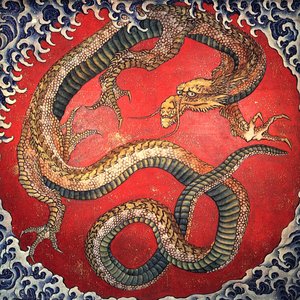
'Dragon' by Hokusai embodies Edo period Japanese art’s observation, craftsmanship, and symbolic depth—a monumental series capturing nature’s grandeur within a single print. Explore this masterpiece at WikiArt!
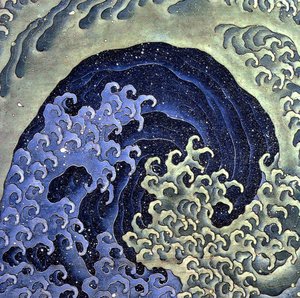
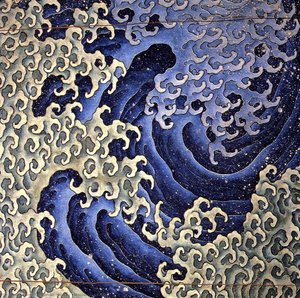
Witness the breathtaking 'Feminine Wave' by Hokusai – a dynamic woodblock print capturing ocean power and beauty. Explore its symbolism & influence on art history.
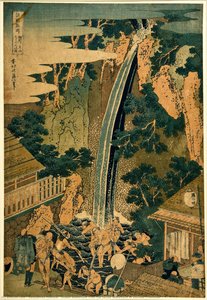
Katsushika Hokusai's *Roben Waterfalls* exemplifies Edo-period artistic innovation with Prussian blue pigment and masterful perspective, conveying nature’s dynamism and symbolizing purity through Ōyama Mountain’s cascade.
Katsushika Ōi (葛飾 応為, c. 1800 – c. 1866), also known as Ei (栄; or O-Ei (お栄) with the honorific prefix) or Ei-jo (栄女; lit. 'woman Ei'), was a Japanese ukiyo-e artist of the early 19th century Edo period. She was a daughter of Hokusai from his second wife.
This stunning mural by Katsushika Hokusai, featuring a majestic phoenix amidst pine branches, embodies tranquility and spiritual contemplation. Located in Nagano Prefecture’s Ganshoin Temple, it's a testament to Hokusai's enduring influence on Japanese art and landscape painting. Discover its history, symbolism, and the temple's serene surroundings – a must-see for art enthusiasts! Admire Katsush
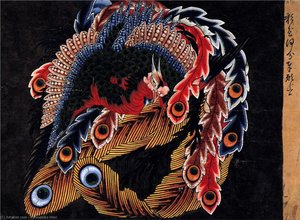
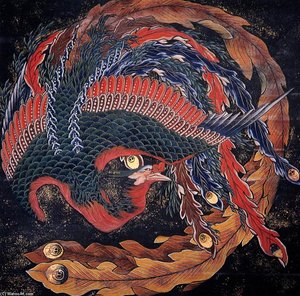
Experience the majestic beauty of Katsushika Hokusai’s ‘Phoenix,’ a stunning oriental-style painting featuring a vibrant phoenix bird amidst swirling leaves and smaller avian companions, capturing a timeless symbol of rebirth and resilience.
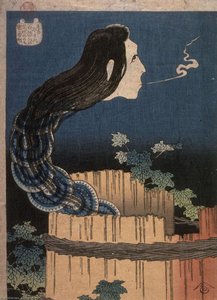
This print, titled "The Mansion of the Plates (Sara yashiki)" from Hokusai's renowned One Hundred Ghost Tales series (1831–32), portrays Okiku’s vengeful spirit haunting her former employer. Executed in vibrant Prussian blue pigment—a color symbolizing death and occultism—the artwork captures a chilling tale of retribution. Produced by Kuroda Bakufu, this exquisite chuban exemplifies Hokusai's mas
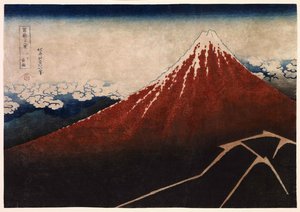
Hokusai Experience the breathtaking beauty of Katsushika Hokusai's 'Storm Below The Mountain,' a masterful woodblock print capturing Mount Fuji amidst turbulent clouds and soaring birds – a timeless symbol of Japanese landscape art.
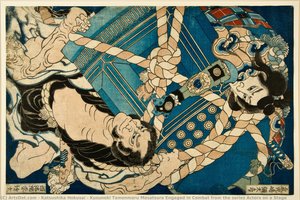
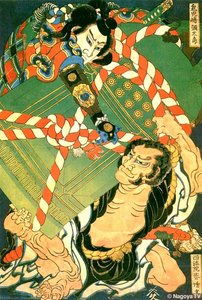
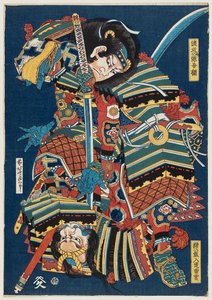
Katsushika Hokusai Delve into the captivating world of Katsushika Hokusai's *Battle Between Two Warriors*. Admire the dynamic composition, vibrant colors & intricate decorative elements – a masterpiece reflecting Edo-period Japan.
Katsushika Hokusai The image is a painting of a man in traditional Japanese clothing, possibly a samurai or warrior. He is holding two swords, one on each side, and appears to be wearing a helmet. The man's face is not visible, but his body is adorned with various patterns and designs. The painting features a blue background that contrasts nicely with the vibrant colors of the man's clothing and
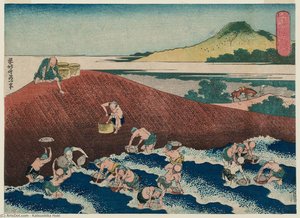
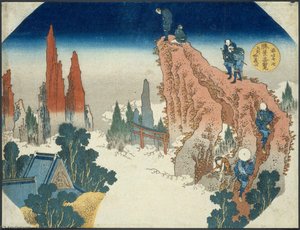
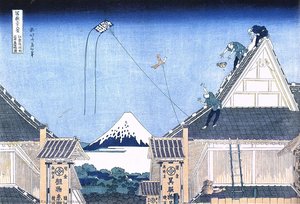
This painting, attributed to Katsushika Hokusai (1760-1849), exemplifies the artist’s signature style within the ukiyo-e tradition. Known primarily for *The Great Wave off Kanagawa*, Hokusai's oeuvre encompassed a vast range of subjects—from seascapes and landscapes like this depiction of Mount Myôgi to depictions of everyday life and manga—demonstrating his remarkable versatility. The artwork sho
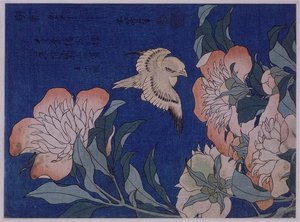
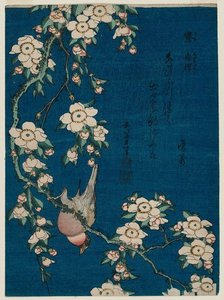
Katsushika Hokusai This captivating painting depicts a canary perched on a peony flower. Set against a calming blue hue, the artwork showcases intricate floral arrangements – including pink blossoms – embodying Hokusai’s masterful observation of nature. Landscape Painting 'The Great Wave off Kanagawa' influenced Impressionism and demonstrated Hokusai's ability to convey emotion through visual e
Katsushika Hokusai (1760-1849), a titan of ukiyo-e, relentlessly pursued artistic mastery from humble beginnings. His legacy includes iconic prints like 'The Great Wave' and profound influence on Western art. Created during the Edo period, this artwork embodies Japan’s fascination with nature and reflects Hokusai’s innovative approach to landscape painting. Executed in ukiyo-e style (woodblock p
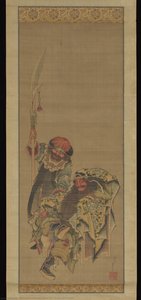
Katsushika Hokusai Experience the grandeur of Katsushika Hokusai's *Guan Yu*, Chinese God of War – a masterful Edo-period silk print depicting Guan Yu wielding his sword, embodying strength and divine authority.
Witness the iconic 'Great Wave' by Hokusai! This stunning ukiyo-e print captures a dramatic ocean moment, showcasing Japanese art mastery and enduring beauty. Explore its history & significance.
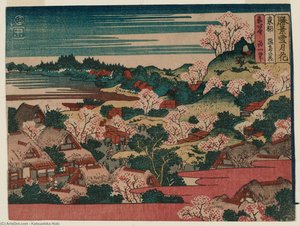
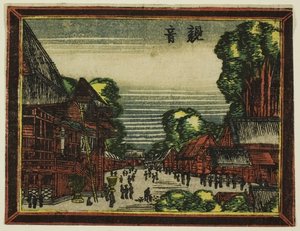
Katsushika Hokusai's *The Precincts Of The Kinryûzan Temple Of Kannon At Asakusa* and *Inside the Courtyard of the Toeizan Temple at Ueno*, alongside *The Great Wave off Kanagawa*, exemplify his masterful use of perspective and detail to portray Edo-period Japan. Born in Tokyo around 1760, Hokusai relentlessly pursued artistic excellence from a young age, demonstrating unwavering dedication to his
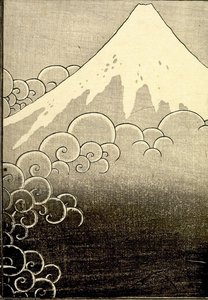
Katsushika Hokusai Witness the breathtaking beauty of Mount Fuji and the soaring dragon in Katsushika Hokusai’s iconic masterpiece – ‘Dragon ascending Mount Fuji,’ a symbol of power and harmony from Japan's Edo period.
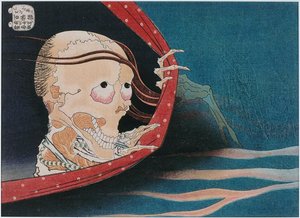
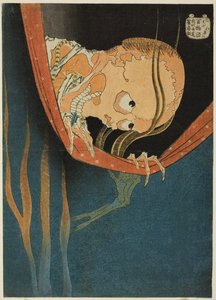
Hokusai Experience the mesmerizing power of Katsushika Hokusai's Kohada Koheiji – a haunting depiction of a demon-like figure clinging to a boat amidst turbulent waves, embodying the spirit of Edo period Japanese art.
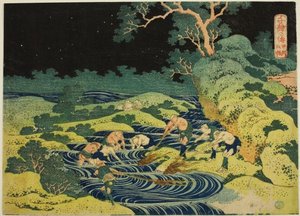
Katsushika Hokusai’s ‘Torch In Kai Province,’ created around 1833/34, captures a nighttime fishing expedition with luminous torches against the backdrop of a calm sea. This iconic piece exemplifies Hokusai's masterful use of color and composition within his 'One Thousand Pictures of the Ocean' series, influencing Impressionist artists like Claude Monet. Explore its detailed depiction of figures an
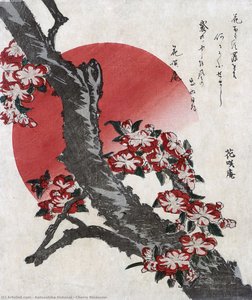
Experience the serene beauty of cherry blossoms captured in Hokusai’s masterful painting – a stunning reproduction showcasing vibrant blooms against a celestial backdrop.