Showing 5 artworks with Max Ernst and with 1924

-
Max Ernst
-
1924
Not available for this selection
- Espresso
- Quinacridone Magenta
- Brown
- Bronze
- Putty
- Surrealism
- Max Ernst
- Symbolism
- Collage
- Nightingale
- Dreamscape
- Geometric Shapes
- Oil Paint Texture
- Wall Hanging
- Dark Palette
- Dreamlike Atmosphere
- 1924 Painting
- Psychedelic Art
- “Dreamlike Art”
- Decay Art Theme
- Fantasy
- Cityscape Artwork
- Decorative Art
- “Early 20Th Century”
- “Texture Art Style”
- German Art
- Children
- Dada Art Style
- Childhood Vulnerability
- Roman Architecture
- “Eyes In Art”
- Painting Technique
- Ernst Max Art
- Bird Watching
- 1924 Artwork”
- "Vintage Artwork"
- Psychological Art
- "Max Ernst Painting"
- Vintage Painting
- Max Ernst Dada
- “Brown Tones Art”
- Geometric Abstraction
- Modern Art
- Gift Idea
- 1920S Art
- Atmospheric Painting
- Rusted Metal Art
- Painting
- Surreal Landscape
- Vintage Metal Art
- “Watercolor Painting”
- Knife Symbol
- “Scroll Symbolism”
- “Abstract Colors”
- “Surrealist Imagery”
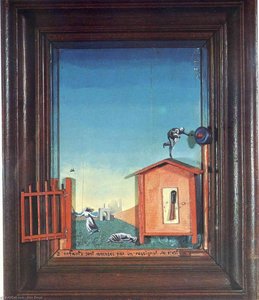
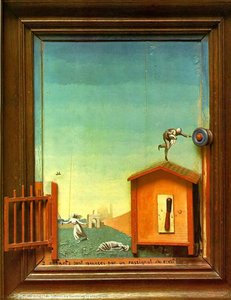
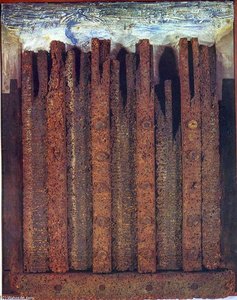
Two Children are Threatened by a Nightingale - Max Ernst (1924) explores surrealism and psychological themes through a haunting depiction of childhood vulnerability against the watchful gaze of nature.
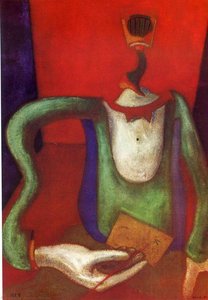
Max Ernst’s surreal masterpiece ‘The Letter’ captures a bizarre tableau of a man with an oversized head and bow tie amidst fantastical objects—a spoon, cup, and apple—reflecting the artist's exploration of subconscious thought during the Weimar Republic.
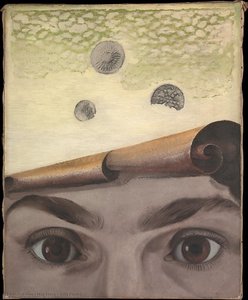
Explore Max Ernst’s surreal 1924 watercolor depicting eyes & a scroll – a captivating piece of early 20th-century art, rich in symbolism and texture.
“Two Children are Threatened by a Nightingale” is a pivotal Surrealist painting by Max Ernst (1924), blending reality with subconscious imagery. Influenced by Stravinsky’s modernist music, it utilizes collage & impasto to depict two children facing a menacing nightingale, symbolizing fear and desire. Explore its dreamlike narrative and Roman architectural references.