Showing 24 artworks out of 99 with Paul Gustave Doré and with Romantic Realism
-
Paul Gustave Doré
-
Romantic Realism
Not available for this selection
- Gray
- Espresso
- Rosy Brown
- White
- Phthalo Green
- Celadon
- Putty
- Black
- Gustave Doré
- Biblical Illustration
- Romanticism
- Symbolic Imagery
- Medieval Art
- Engraving
- Dramatic Lighting
- Romantic Art
- Gustave Doré Engraving
- Fine Art Reproduction
- Wood Engraving
- Nineteenth Century Art
- 19Th Century Art
- Dante'S Inferno
- Romantic Realism
- Dramatic Composition
- Fine Art Print
- Victorian Art
- Illustration
- Doré Engraving
- Romantic Illustration
- Black And White Print
- Biblical Art
- Religious Symbolism
- Gustave Dore
- Black And White Art
- Victorian Illustration
- Dramatic Illustration
- Fine Line Engraving
- Detailed Illustration
- Romantic Engraving
- Romantic Art Style
- Engraving Technique
- Wood Engraving Technique
- Doré Masterpiece
- Detailed Artwork
- Etching Technique
- Monochrome Print
- Dramatic Scene
- Symbolism
- Symbolic Art
- Fine Line Etching
- Linework Texture
- Black And White
- Detailed Printmaking
- Dramatic Linework
- Religious Painting
- Religious Art
- Art History
- Monochromatic Printmaking
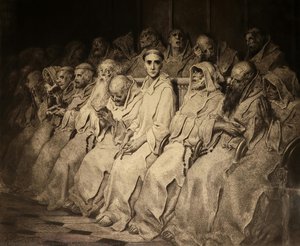
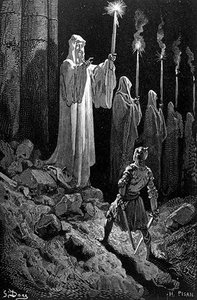
Gustave Doré’s haunting lithograph ‘The Neophyte,’ rendered in exquisite tonal detail using drypoint etching and subsequent printing, captures a moment of spiritual doubt within the Romantic movement's dramatic embrace of emotion. Explore this evocative masterpiece and bring its timeless beauty into your home.
Experience Gustave Doré's 'The Neophyte,' a haunting depiction of monastic isolation and despair. This poignant oil painting captures a young novice’s longing, reflecting Romantic themes & artistic mastery.
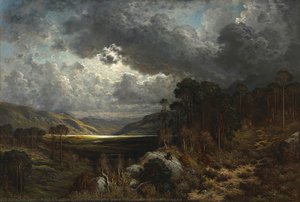
Discover "Souvenir of Loch Lomond" by Gustave Doré (1875). This stunning landscape painting captures the beauty of Scotland's loch, featuring a horse and charming figures – a timeless masterpiece.
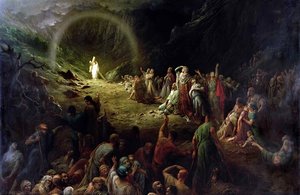
Gustave Doré’s "The Valley of Tears" presents a dramatic, emotionally charged scene of suffering and redemption with its monumental scale and romantic style. Explore this iconic 19th-century masterpiece and discover the beauty of human emotion.
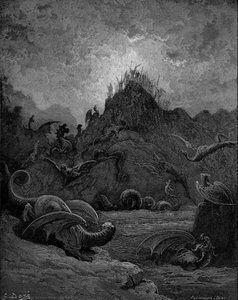
Explore Gustave Doré's dramatic engraving 'untitled (8555)': A chaotic landscape teeming with serpentine creatures, showcasing intricate detail and evocative symbolism of conflict and a mythical realm.
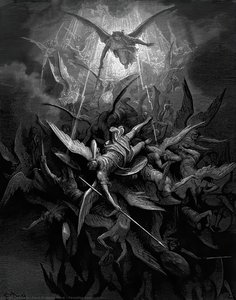
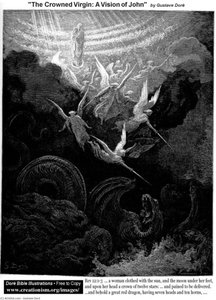
Paul Gustave Doré’s ‘The Crowned Virgin Vision Of John’ is a monumental wood engraving capturing the grandeur of Revelation. Characterized by dense crosshatching and masterful linework, it portrays Mary surrounded by angels battling demonic forces—a cornerstone of Romanticism's spiritual exploration. The artwork utilizes pyramidal composition to draw viewers upwards towards divine grace while gro
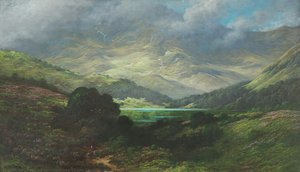
Witness the grandeur of Gustave Doré's "The Scottish Highlands" (1875). A breathtaking Romantic landscape painting capturing the rugged beauty and timeless spirit of Scotland’s mountains & lakes. Explore its rich history & artistic details.
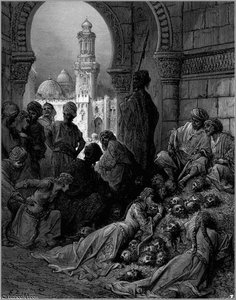
This artwork, ‘Crusades Cruelties of Bibars,’ exemplifies Gustave Doré’s signature style—Romantic Realism—characterized by meticulous detail and expressive tonal range achieved through hatching and cross-hatching techniques. Executed as an engraving or etching on metal plate, it portrays a chilling scene depicting severed heads amidst an architectural backdrop reminiscent of the Middle East, refle
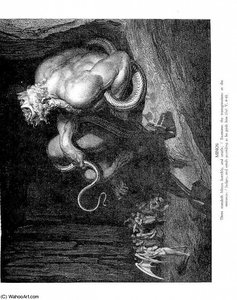
Gustave Doré Delve into Gustave Doré's masterful engraving 'Minos,' inspired by Greek mythology. Witness dramatic linework and stark contrasts illuminating a monstrous figure amidst shadowy steps – a cornerstone of Romantic realism.
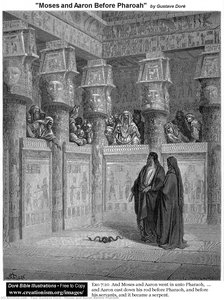
According to the Old Testament of the Bible, Aaron ( AIR-ən or ARR-ən) was an Israelite prophet, high priest, and the elder brother of Moses. Information about Aaron comes exclusively from religious texts, such as the Hebrew Bible, the New Testament (Luke, Acts, and Hebrews), and the Quran. The Hebrew Bible relates that, unlike Moses, who grew up in the Egyptian royal court, Aaron and his elder
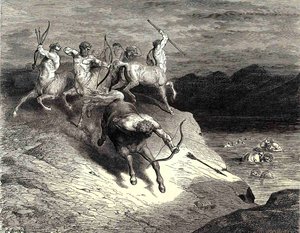
Paul Gustave Doré The Inferno, Canto 12 This haunting black and white etching captures Dante's Inferno, Canto XII, portraying a chaotic landscape dominated by bulls ridden by tormented souls. Doré’s meticulous cross-hatching technique conveys texture and depth, embodying Romantic drama and symbolizing the horrors of Hell. Metal plate (copper or zinc), etching needles, ink, paper. Etching Roma
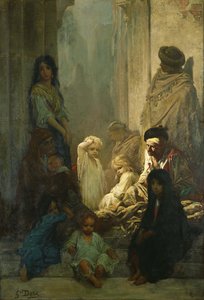
Paul Gustave Doré’s ‘La Siesta, Memory of Spain’ (1868) captures a relaxed social gathering in a sun-drenched Spanish courtyard. This large oil painting showcases Doré's masterful style and evocative mood, perfect for art lovers.
Paul Gustave Doré (1832-1883) was a prolific artist known for his evocative wood engravings and illustrations, particularly his depictions of biblical narratives and Dante's Inferno. He achieved fame through collaborations with literary giants like Tennyson and Dickens, establishing himself as a cornerstone of Romantic illustration. Doré’s distinctive style—characterized by meticulous detail, chia
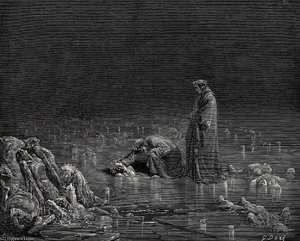
Gustave Doré Delve into Gustave Doré's masterful engraving 'untitled (6572)', depicting figures submerged in water—a poignant exploration of faith, despair, and artistic brilliance from the Romantic era.
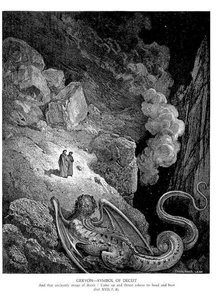
This engraving depicts a harrowing scene from Dante's Inferno, featuring a monstrous creature confronting humanity amidst desolate rock formations. Doré’s meticulous detail and masterful use of line work convey dread and symbolize deception. Created using etching technique on copper plate, this artwork showcases Romantic realism and captures the essence of gothic horror. Dive into Gustave Doré's
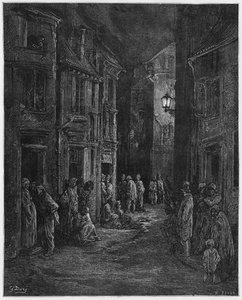
Explore Gustave Doré's poignant depiction of London’s impoverished Bluegate Fields slum in 'The Picture of Dorian Gray.' This evocative wood engraving captures social realism and despair with masterful detail. This artwork presents a detailed and atmospheric depiction of a narrow, urban street scene rendered in black and white. It evokes a sense of poverty, hardship, and social commentary through
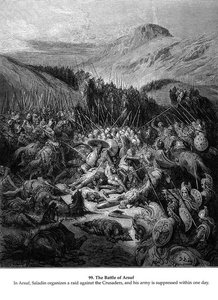
Gustave Doré Experience the dramatic intensity of Gustave Doré's 'The Battle of Arsuf,' a monumental wood engraving depicting Richard I’s siege of Arsuf during the Crusades. Explore masterful detail & Romantic storytelling at ArtsDot.
Paul Gustave Louis Christophe Doré, celebrated as Gustave Doré, was a prodigious artist who seamlessly blended illustration, painting, and sculpture. Born in Strasbourg, France, on January 6th, 1832, his artistic journey unfolded during the Romantic era's twilight, marked by evolving aesthetic sensibilities. Strasbourg France 1832 1883 Paul Gustave Doré Monochromatic gray tones dominate the