Showing 8 artworks with William Blake and with 1820 and with Mysterious

-
William Blake
-
1820
-
Mysterious
Not available for this selection
- Gray
- Rosy Brown
- Espresso
- White
- William Blake
- Romantic Painting
- Romanticism
- Visionary Art
- Religious Iconography
- Fantasy Art
- Spiritual Art
- Angelic Figure
- Symbolism Art
- British Art
- Blake Painting
- Victorian Art
- Symbolism
- 19Th Century
- William Blake Art
- Romantic Art
- Blake Watercolor
- Spiritual Contemplation
- Winged Man
- Dreamlike
- Visionary Art Style
- Mythical Figure
- Earth Tones Art
- Flying Woman
- Milton Influence
Blake’s meticulous technique fuses natural imagery with celestial references—creating a profound visual experience that transcends mere representation. Explore similar artworks at WikiArt.org!
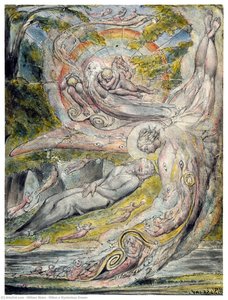
Explore William Blake’s "Milton’s Mysterious Dream" – a dynamic watercolor depicting Milton’s fall. Romantic symbolism & layered technique evoke spiritual turmoil. A captivating piece of art history.
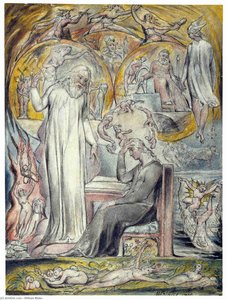
The Spirit of Plato by William Blake – A captivating painting depicting a man and woman amidst angelic figures and birds, symbolizing contemplation and spiritual insight within an ornate dining setting.
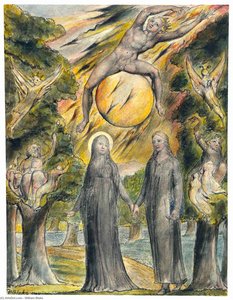
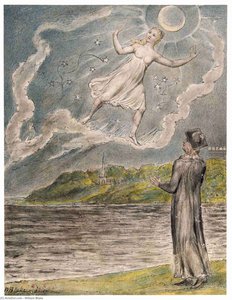
Explore William Blake's 'The Wandering Moon,' a captivating 1820 watercolor embodying Romanticism. Discover its symbolism of aspiration, freedom & spiritual yearning within a dreamlike, ethereal atmosphere. A masterpiece of imagination and emotion.
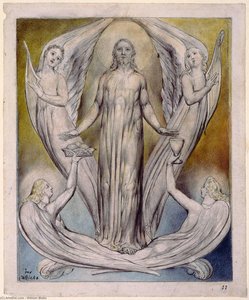
Delve into William Blake's 'Angels Ministering to Christ,' a Symbolism masterpiece depicting Jesus surrounded by angels—a poignant illustration of Milton’s Paradise Regained, showcasing Blake’s visionary style and profound spiritual themes.
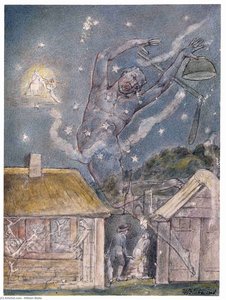
“The Goblin” by William Blake (1820) exemplifies Symbolism with its fantastical depiction of a winged man holding a lantern, reflecting themes from Milton’s Paradise Lost and exploring the duality of imagination and reason.
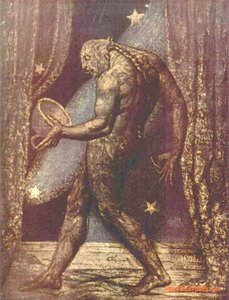
William Blake's 'The Ghost of a Flea' (c.1820) is a miniature visionary masterpiece, showcasing his unique blend of imagination and skill. Explore its symbolism at Tate Gallery.