Showing 24 artworks out of 26 with William Hogarth and with Dramatic

-
William Hogarth
-
Dramatic
Not available for this selection
- Espresso
- Gray
- Rosy Brown
- Walnut
- Black
- Phthalo Green
- Putty
- White
- Quinacridone Magenta
- William Hogarth
- 18Th Century Art
- Fine Art Reproduction
- Social Commentary
- Satire
- Social Satire
- Portraiture
- Decorative Art
- British Art History
- Engraving
- Hogarth Painting
- British Art
- Hogarth
- Victorian Decor
- Art Collector
- British Baroque Art
- Wall Hanging
- Oil On Canvas
- Gift For Art Lovers
- Classical Composition
- Hogarth Engraving
- Hogarth Etching
- Satirical Art
- Humor
- Etching Technique
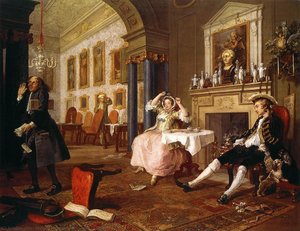
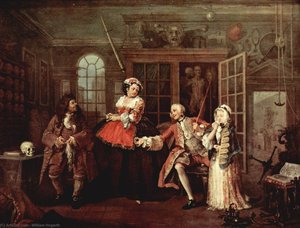
A searing indictment of Georgian social decay, this satirical masterpiece by William Hogarth captures the tragic complexities of arranged marriage through vivid detail, inviting you to explore this iconic British Rococo work.
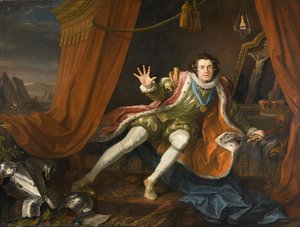
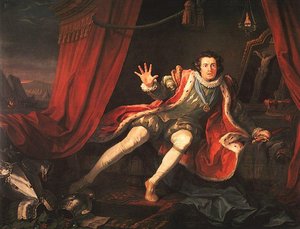
Experience William Hogarth's iconic "David Garrick as Richard III" (1745). A dramatic portrait capturing the tormented Shakespearean villain, showcasing ambition & psychological torment. Hand-painted reproduction.
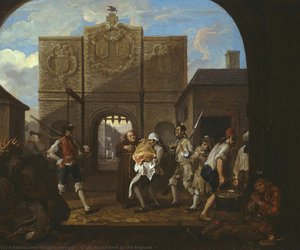
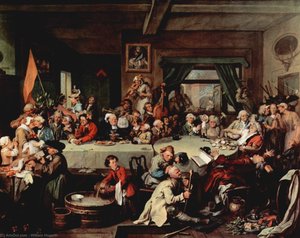
Explore William Hogarth's satirical masterpiece, 'O the Roast Beef of Old England,' depicting 18th-century British society with biting commentary & historical detail. A visual journey into a bygone era.
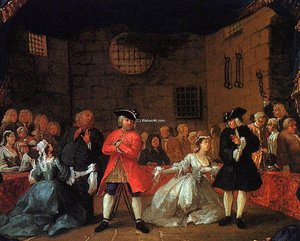
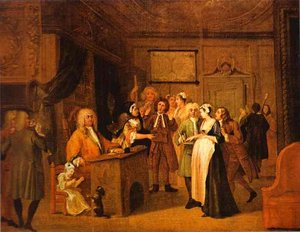
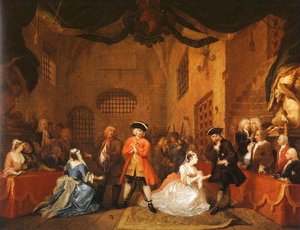
A vibrant tableau of 18th-century London life unfolds in William Hogarth's satirical masterpiece A Scene from the Beggar's Opera, inviting you to explore this captivating window into Georgian social drama.
Visit with the Quack Doctor - William Hogarth - WikiArt.org This satirical masterpiece depicts a quack doctor's consultation, exposing societal hypocrisy and capturing the essence of London life in 1745.
Discover William Hogarth’s "The Banquet" (1755) – a dynamic oil painting of a lavish 18th-century feast. Explore its realism, symbolism & rich colors at Bangor University!
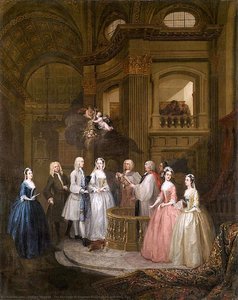
The painting’s meticulous detail—particularly the portrayal of the wedding guests—offers a window into the social customs and expectations of 18th-century London. Hogarth's use of light and shadow contributes to the dramatic atmosphere, enhancing the narrative's impact.
Explore William Hogarth’s ‘The Denunciation,’ a captivating 1729 oil painting of social commentary & Baroque realism. Discover its composition, style & significance at the Holburne Museum.
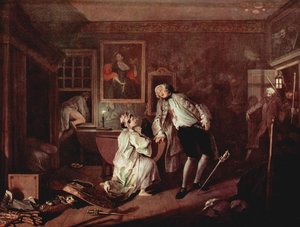
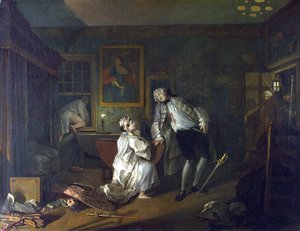
William Hogarth’s dramatic ‘The Murder of the Count’ (1745) captures a shocking scene of violence and betrayal with meticulous detail, showcasing the artist's satirical style and masterful storytelling. Discover this captivating piece and bring its intensity into your space.
Hogarth’s Marriage à la Mode is a testament to his genius as a satirical artist, captivating audiences with its intricate details and moral lessons.
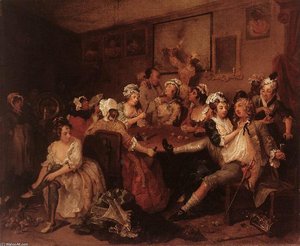
William Hogarth’s masterful depiction of London society captures a lively social gathering amidst opulent attire and theatrical performance—a quintessential Baroque scene reflecting the artist's astute commentary on moral decay.
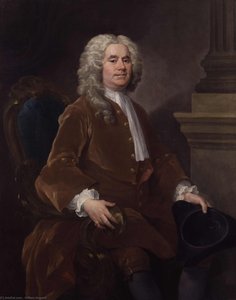
William Hogarth’s masterful portrait captures a moment of quiet contemplation amidst London society—a man adorned in elegant attire stares intently at the viewer, accompanied by two figures engaged in their own pursuits, reflecting Hogarth's satirical gaze on human behavior during the Georgian era. Explore this captivating artwork and bring its timeless beauty into your home.
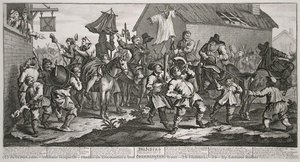
Explore William Hogarth's masterful engraving 'Hudibras Encounters the Skimmington,' a satirical illustration from Samuel Butler’s epic poem, showcasing Rococo artistry and social commentary.
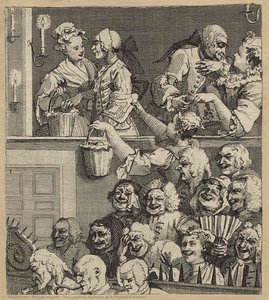
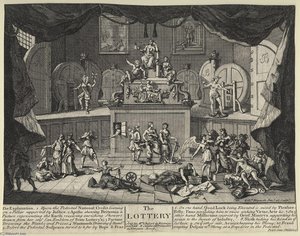
William Hogarth’s masterful etching captures a dramatic theater scene—a poignant portrayal of societal judgment amidst the allure of performance and chance. This iconic piece from the Georgian era invites you to explore its timeless narrative and bring history into your home.
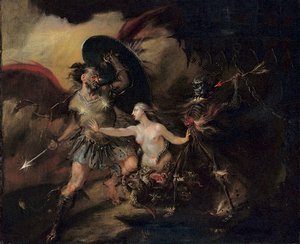
William Hogarth’s "Satan, Sin and Death" depicts a dramatic battle between good and evil with skeletons, a man, and a woman, showcasing the artist's satirical style from 1740. Discover this iconic artwork and bring its powerful imagery into your space.
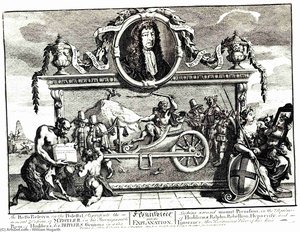
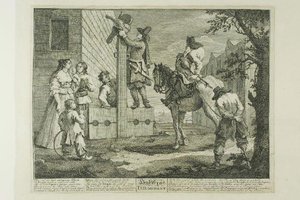
William Hogarth’s "Hudibras Triumphant" captures 18th-century London's satire with a dynamic engraving of a man on horseback amidst skeptical onlookers, showcasing the artist’s masterful mezzotint technique and social commentary. Discover this iconic piece and bring its timeless narrative into your collection.
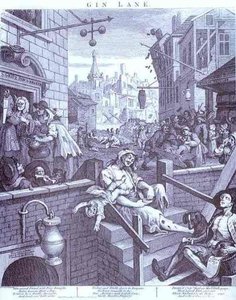
William Hogarth’s haunting etching captures London's grim realities of poverty and despair during the Enlightenment era—a stark depiction of mortality and societal decay that invites contemplation and offers a glimpse into history.