Showing 24 artworks out of 58 with 1568

-
1568
- Antoine Caron
- Antonis Mor
- Bernardino Poccetti
- Cristofano Di Papi Dell Altissimo
- El Greco
- Etienne Delaune
- François Clouet
- Giovan Paolo Lomazzo
- Jacopo Tintoretto
- Jan Wierix Or Johannes Wierix
- Juan Fernández De Navarrete
- Michael Keberlin
- Moroni, Giovanni Battista
- Pieter Bruegel The Elder
- Pieter Pourbus
- Titian
- Titian Ramsay Peale Ii
- Vincenzo Danti
- Yi Hwang
Not available for this selection
- Espresso
- Walnut
- Rosy Brown
- Phthalo Green
- Putty
- Clay
- White
- Black
- Driftwood
- Quinacridone Magenta
- Gray
- Celadon
- Pieter Bruegel
- Northern Renaissance
- Oil Painting
- Renaissance Painting
- 16Th Century Art
- Renaissance Art
- 16Th Century
- Pieter Bruegel Elder
- Dutch Masters
- Northern Renaissance Art
- Oil On Panel
- Impasto Texture
- Italian Renaissance
- Flemish Painting
- Medieval Art
- 16Th Century Painting
- Social Commentary
- Flemish Art
- Flemish Renaissance
- Symbolic Imagery
- Byzantine Influence
- Genre Painting
- El Greco
- Rural Scene
- Detailed Artwork
Pieter Bruegel’s haunting *The Blind Leading the Blind* captures Northern Renaissance melancholy through masterful chiaroscuro and meticulous landscape detail—a parable of flawed perception executed with tempera on linen canvas.
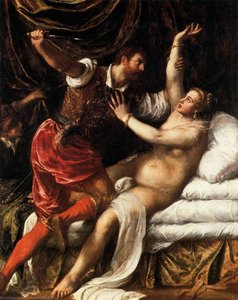
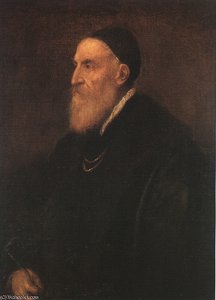
The painting was created during Titian’s twilight years, demonstrating his unwavering dedication to artistic excellence despite advancing age. It exemplifies the Venetian Renaissance's fascination with dramatic narratives and psychological depth.
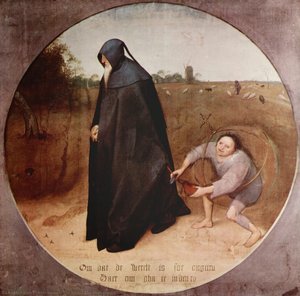
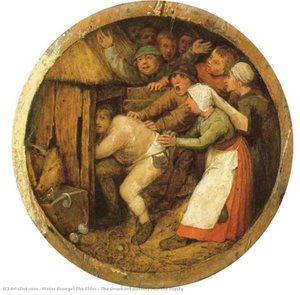
Explore Pieter Bruegel the Elder's 'The Drunkard Pushed into the Pigsty,' a chaotic 1568 masterpiece depicting societal scorn and human folly with vivid detail.
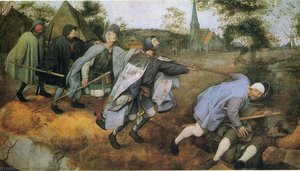
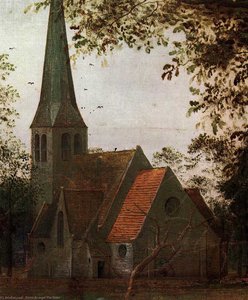
Pieter Bruegel’s evocative ‘The Parable of the Blind Leading the Blind,’ painted in 1568, showcases a vibrant Flemish church scene dominated by a towering steeple and symbolic birds—a testament to Renaissance observation and humanist thought. Admire this captivating artwork and bring its timeless beauty into your home.
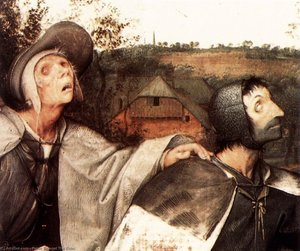
Pieter Bruegel’s haunting depiction captures the parable's essence—two figures with unsettling faces navigate a shadowed house, embodying Northern Renaissance disillusionment and prompting contemplation on leadership and perception.
Explore Pieter Bruegel the Elder’s masterful depiction of ‘The Parable of the Blind Leading the Blind,’ capturing a poignant moment of human folly and wisdom amidst a bustling Flemish scene.
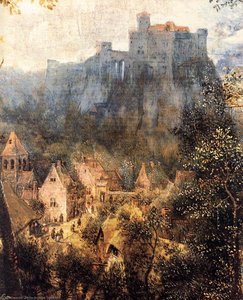
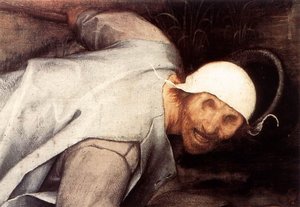
Pieter Bruegel’s ‘The Parable of the Blind Leading the Blind’ captures human frailty with a poignant detail of a bandaged man amidst societal folly, reflecting 16th-century anxieties. Explore this masterful Renaissance artwork and bring its timeless message home.
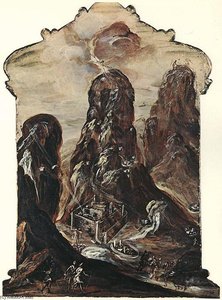
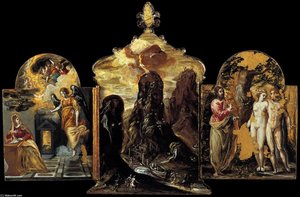
Inspired by Venetian and Roman influences, El Greco’s work transcends stylistic boundaries. As evidenced in the Modena Triptych, he skillfully blends classical techniques with Byzantine sensibilities to convey profound religious themes.
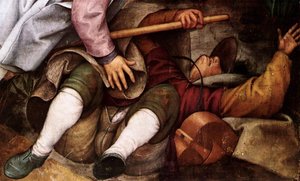
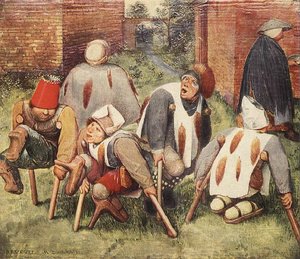
Pieter Bruegel's "The Beggars," painted in 1568, captures a lively outdoor scene of people gathered with a baseball bat, showcasing the artist’s Northern Renaissance style and offering a glimpse into everyday life. Discover this captivating artwork and bring it home.
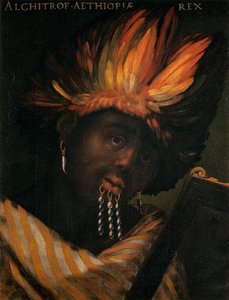
Admire Cristofano dell'Altissimo’s masterful depiction of Emperor Alchitrof, ruler of Ethiopia (1568). Explore this iconic portrait showcasing regal attire and intricate detail within the Giovio Series.
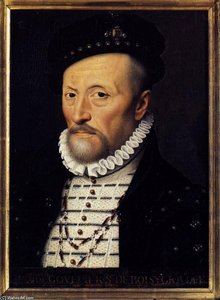
Admire François Clouet’s ‘Portrait of Claude Gouffier.’ A stunning Renaissance portrait showcasing intricate detail & dramatic lighting. Explore this 1568 masterpiece!
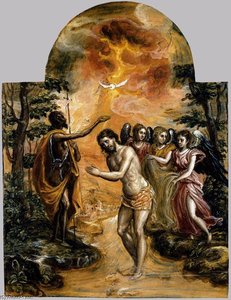
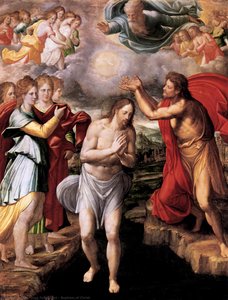
Experience the dramatic religious fervor of Navarrete's Baptism of Christ (1568), a masterpiece of Spanish Mannerism; discover this iconic scene today.
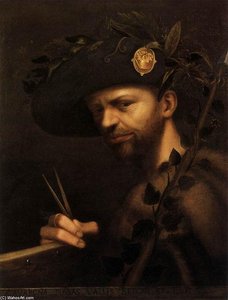
A dramatic Mannerist self-portrait by Gian Paolo Lomazzo depicting the artist as an abbot with striking chiaroscuro, offering a profound glimpse into 16th-century intellect that you can bring to your collection.
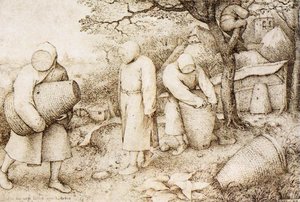
Pieter Bruegel's 'The Beekeepers and the Birdnester' (1568) captures rural life with symbolic depth. Explore a scene of labor, community, and nature’s bounty in this iconic Northern Renaissance masterpiece.