Showing 24 artworks out of 93 with Japanese Landscape Painting
Sort by:
Showing 24 artworks out of 93 with Japanese Landscape Painting
Not available for this selection
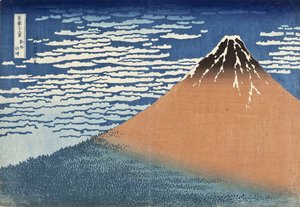
Experience Hokusai’s breathtaking *South Wind*, Clear Dawn – a masterful woodblock print capturing Mount Fuji's sublime majesty during Edo Japan’s golden age. Admire the vibrant Prussian blue and intricate detail, inviting you to explore this iconic masterpiece.
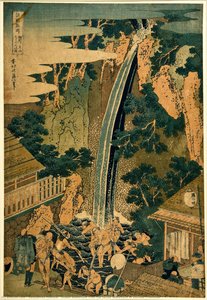
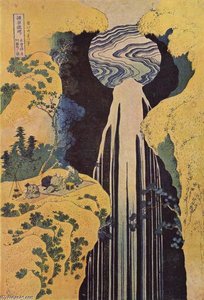
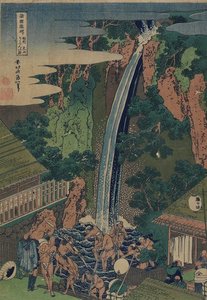
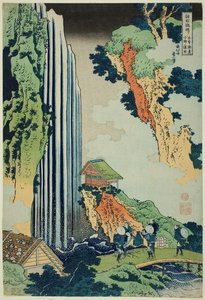
Katsushika Hokusai's *Roben Waterfalls* exemplifies Edo-period artistic innovation with Prussian blue pigment and masterful perspective, conveying nature’s dynamism and symbolizing purity through Ōyama Mountain’s cascade.
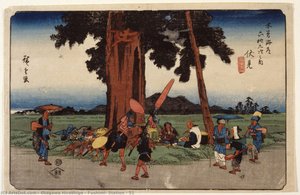
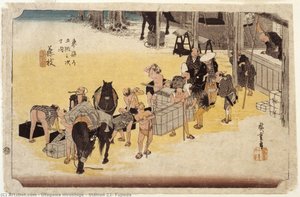
Utagawa Hiroshige Fushimi, Station # 51 A Poetic Vision of Edo Japan: The Life and Art of Utagawa Hiroshige Utagawa Hiroshige, born Andō Tokutarō in 1797 in the bustling city of Edo (modern Tokyo), stands as a pivotal figure in the world of *ukiyo-e*, or “pictures of the floating world.” Though deeply rooted in the traditions of Japanese woodblock printing, Hiroshige transcended mere replicatio
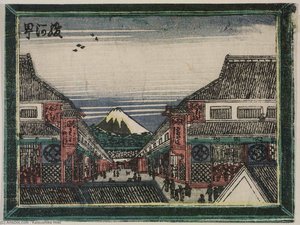
The image is a painting of a mountainous landscape with a large mountain in the background. The painting features several people scattered throughout the scene, some closer to the foreground while others are further away. There are also two birds visible in the sky, one near the top left corner and another towards the center-left side of the image. The painting is set against an oriental backdrop
This stunning mural by Katsushika Hokusai, featuring a majestic phoenix amidst pine branches, embodies tranquility and spiritual contemplation. Located in Nagano Prefecture’s Ganshoin Temple, it's a testament to Hokusai's enduring influence on Japanese art and landscape painting. Discover its history, symbolism, and the temple's serene surroundings – a must-see for art enthusiasts! Admire Katsush
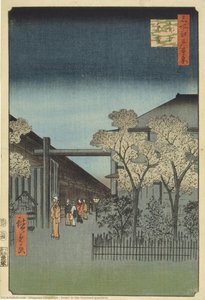
Experience the poetic daily life of Edo Japan with Utagawa Hiroshige's 'Dawn in the licensed quarters,' a captivating 1857 scene you can own.
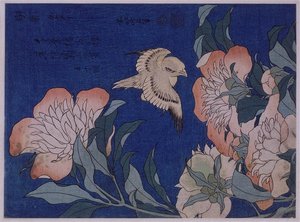
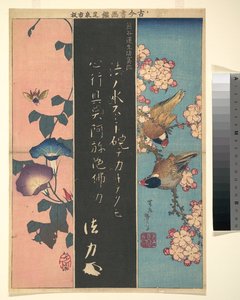
Katsushika Hokusai This captivating painting depicts a canary perched on a peony flower. Set against a calming blue hue, the artwork showcases intricate floral arrangements – including pink blossoms – embodying Hokusai’s masterful observation of nature. Landscape Painting 'The Great Wave off Kanagawa' influenced Impressionism and demonstrated Hokusai's ability to convey emotion through visual e
Katsushika Hokusai (1760-1849), a titan of ukiyo-e, relentlessly pursued artistic mastery from humble beginnings. His legacy includes iconic prints like 'The Great Wave' and profound influence on Western art. Created during the Edo period, this artwork embodies Japan’s fascination with nature and reflects Hokusai’s innovative approach to landscape painting. Executed in ukiyo-e style (woodblock p
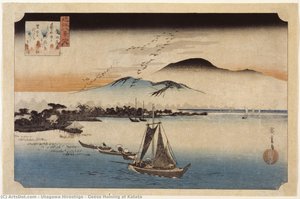
Utagawa Hiroshige’s ‘Geese Homing at Katata,’ created in 1834, exemplifies the poetic vision of Edo Japan within ukiyo-e art. This stunning Ōban print showcases a tranquil lakeside scene with migrating geese against majestic mountains—a motif reflecting Hiroshige's mastery and enduring appeal. Published by Sakanaya Eikichi, it’s housed at The Indianapolis Museum of Art (Accession Number: 32.1), ce
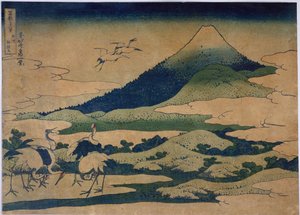
Katsushika Hokusai Experience the serene beauty of Mount Fuji through Katsushika Hokusai’s masterful depiction – ‘Umezawa Manor in Sagami Province.’ Explore this iconic landscape print from Japan's Edo period.
Katsushika Ōi (葛飾 お栄), born around 1800 and died c. 1866, was a prolific Japanese ukiyo-e artist who served as an apprentice to her renowned father, Katsushika Hokusai. Known for her exquisite bijin-ga paintings depicting beautiful women—such as ‘Yoshiwara Night Scene’ and ‘Beauty of Spring Night’—Ōi achieved considerable acclaim during the Edo period. Her artistic journey was marked by collaborat
Katsushika Hokusai A Life Etched in Ink: The World of Katsushika Hokusai Hokusai was instrumental in developing ukiyo-e from a style of portraiture largely focused on courtesans and actors into a much broader style of art that focused on landscapes, plants, and animals. His works had a significant influence on Vincent van Gogh and Claude Monet during the wave of Japonisme that spread across Europ
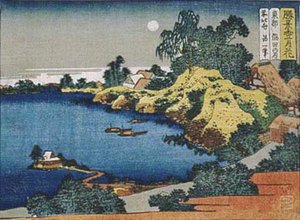
Consider researching similar prints by Hokusai and exploring their influence on Impressionist artists like Monet and Van Gogh. This stunning woodblock print by Katsushika Hokusai depicts a luminous moon rising over the Sumida River, reflecting off the water amidst mountains—a quintessential scene from Japan's Edo period. Known for his iconic 'Great Wave,' Hokusai’s meticulous detail and masterful
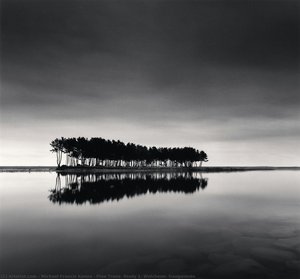
Michael Kenna's 'Pine Trees, Study 1, Wolcheon, Gangwondo' captures serene beauty with minimalist black & white photography—reflecting stillness and capturing the essence of Korean landscape.
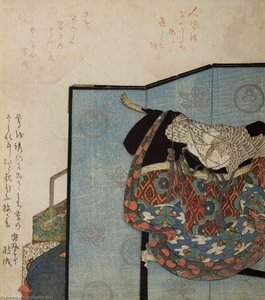
This artwork, titled ‘First Dream Of The New Year,’ showcases a captivating scene of two women engaging in New Year customs – one binding a treasure ship image to her pillow for good fortune dreams, while the other washes her face with fresh water to dispel evil spirits. Created around 1825 during Hokusai’s prolific period, this print exemplifies his masterful use of bold lines and vibrant colors,
Katsushika Ōi (葛飾応為), daughter of the iconic Hokusai, was a prolific ukiyo-e artist celebrated for her skill in handwriting and bijin-ga paintings depicting beautiful women. Alongside her father's influence, she honed her craft under Tsutsumi Torin III, producing stunning works like "Kinuta or Beauty Fulling Cloth in the Moonlight" and "Yoshiwara Night Scene." Ōi’s legacy extends beyond her artist
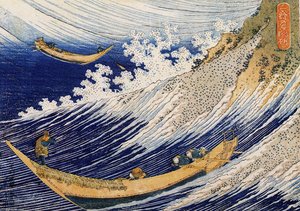
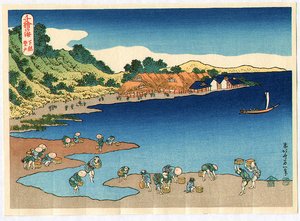
Explore Katsushika Hokusai's "Noborito - Chie No Umi," a stunning depiction of fishermen battling turbulent seas, showcasing masterful woodblock printing and reflecting Impressionist influences.
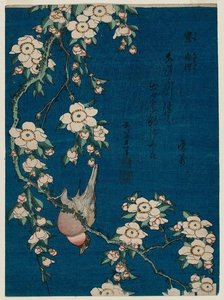
Katsushika Hokusai Bird And Flower A Life Etched in Ink: The World of Katsushika Hokusai Hokusai, a name synonymous with Japanese art and the iconic image of *The Great Wave off Kanagawa*, was far more than just a printmaker. Born in Edo (modern-day Tokyo) around 1760, his life was a restless pursuit of artistic mastery, a constant evolution marked by shifting names and an insatiable curiosity.
Experience Utagawa Hiroshige’s ‘Dog,’ a serene Edo-period landscape print capturing snow-dusted mountains and a flowing river. This evocative artwork, created in 1858, showcases the artist's masterful *yakusha-ga* technique and invites you to own a piece of Japanese art history.
Stay updated with the latest art news, exclusive offers, and decoration ideas.
Tell us about your project and our art experts will provide you with 3 personalized art suggestions.
Let Us Curate 3 Options Just for You - Free!