Showing 24 artworks out of 51 with Imperial War Museum

-
Imperial War Museum
Not available for this selection
- Impressionistic Landscape
- Contemporary Realism
- Impressionism
- Scottish Impressionism
- Impressionistic Landscape Painting
- Edwardian Portraiture
- Impressionistic Painting
- Expressionism
- Edwardian Portraiture Tradition
- Surrealism
- Early 20Th Century Portraiture
- Early Modern Realism
- Glasgow School Movement
- Glasgow School Realism
- Impressionist Landscape Painting
- Impressionistic Realism
- Post-Impressionism
- Post-Impressionistic Landscape
- See all
- Gray
- Espresso
- Phthalo Green
- Driftwood
- Rosy Brown
- Putty
- Celadon
- Sap Green
- Walnut
- Quinacridone Magenta
- Cobalt Violet
- Steel Blue
- Aquamarine
- Bronze
- Khaki
- Impressionism
- Lavery
- Landscape Painting
- 1917
- British Art
- Painting
- Wwi Art
- Wwi
- Oil Painting
- Sir John Lavery
- Portrait
- Seascape
- Brushstrokes
- Portraiture
- Color Palette
- Edwardian Art
- John
- Fine Art Print
- British Painter
- Color
- British Army
- British Art History
- Tranquility
- Orpen
- Historical Painting
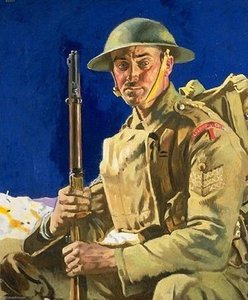
Sir William Newenham Montague Orpen’s “A Grenadier Guardsman” embodies Edwardian Britain's anxieties about imperial ambition alongside poignant reflections on duty and sacrifice during WWI. Painted in 1917, it showcases meticulous detail—anatomical accuracy and textural richness—within a pyramidal composition reflecting Renaissance mastery.
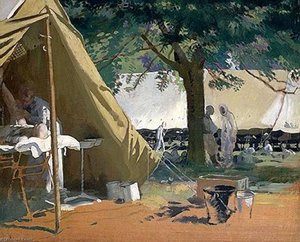
A monumental canvas by Sir William Orpen depicting British soldier and wife finding solace amidst the Messines Ridge battlefield, blending Impressionistic realism with meticulous textural detail to convey warmth and intimacy.
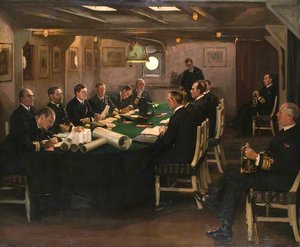
Sir John Lavery’s "The End" captures Admiral Beatty's resolute face amidst the tension of the German Navy surrender (1918). A monochrome masterpiece, it reflects a pivotal moment in WWI history.
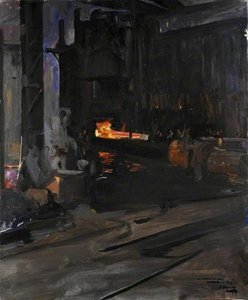
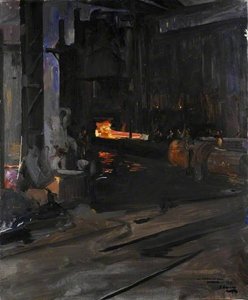
A Naval Gun in the Hydraulic Press Elswick Works, Newcastle upon Tyne
“The Main Street, Combles” by Sir William Orpen captures the poignant beauty of rural Ireland amidst the turmoil of Irish independence. Impressionistic brushstrokes convey loss and resilience as a crumbling farmhouse symbolizes fading grandeur.
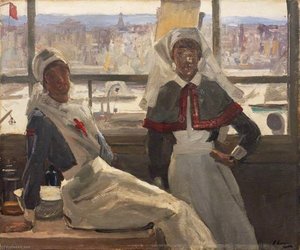
Witness Sir John Lavery’s poignant "Le Havre, 1919" – a powerful portrait of nurses Billam and Currier amidst WWI's devastation. Impressionistic elegance meets historical significance.
Sir William Newenham Montague Orpen Early Life William Newenham Montague Orpen (1878–1931) was born in Stillorgan, County Dublin, Ireland, the fourth and youngest son of Arthur Herbert Orpen (1830–1926), a solicitor, and his wife, Anne Caulfield (1834–1912), the eldest daughter of the Right Rev. Charles Caulfield (1804–1862), the Bishop of Nassau. Both his parents were amateur painters, fostering
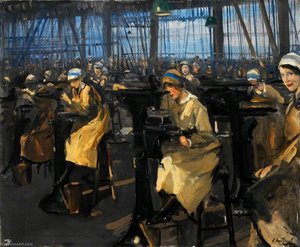
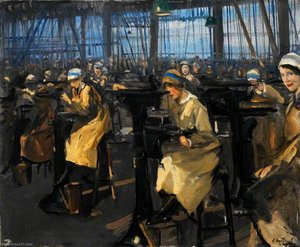
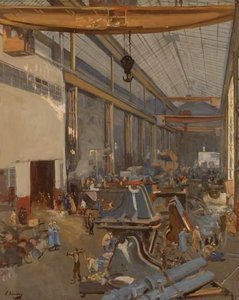
Witness 'Elswick, 1917' by Sir John Lavery – a powerful oil painting capturing industrial resilience during WWI. See women at work in Armstrong Whitworth’s factory, showcasing Glasgow School aesthetics.
Sir John Lavery’s ‘Elswick, 1917’ captures the industrious spirit of women at work during WWI in a striking black and white portrait, showcasing his mastery and offering a timeless glimpse into wartime society. Discover this iconic artwork and bring it home.
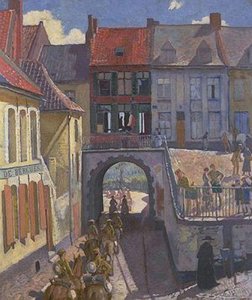
Considered one of Orpen's finest works, "The Household Brigade Passing to the Ypres Salient" exemplifies his Impressionistic style and offers a glimpse into the realities faced by British troops on the Western Front.
Sir John Lavery’s ‘A Naval Gun…’ captures Newcastle’s industrial spirit in a dynamic oil painting. Explore its textured brushwork, dramatic lighting & evocative depiction of forging – a unique Post-Impressionist piece.
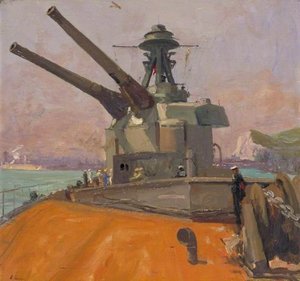
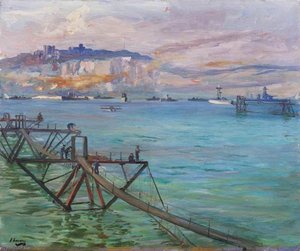
Experience the evocative Impressionist painting "The Entrance, Dover Harbour, 1918" by Sir John Lavery! Capturing wartime life and coastal beauty, this masterpiece showcases vibrant colors & brushstrokes.
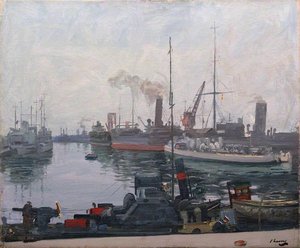
Sir John Lavery's 'Leith' captures the bustling wartime harbor scene with muted colors and atmospheric brushstrokes, reflecting industrial activity & somber mood.
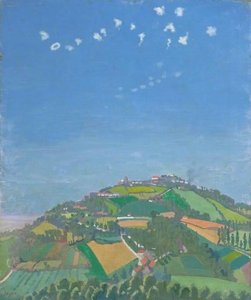
Experience the serene beauty of Cassel's landscape through Sir William Orpen’s masterful Impressionistic painting – ‘German Planes Visiting Cassel,’ capturing a historic moment under a vibrant sky.
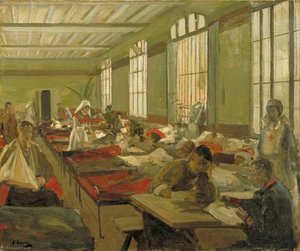
Sir John Lavery’s "German Wounded, Le Havre" (1919) depicts wartime suffering in a poignant realism. Explore this impactful oil painting's muted tones & layered composition – a testament to resilience.
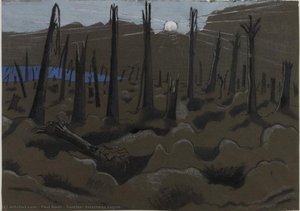
Explore Paul Nash's haunting watercolor 'Sunrise, Inverness Copse,' created in 1918 during WWI. Inspired by landscapes and influenced by Blake & Turner, this Expressionist masterpiece resides at the Imperial War Museum.
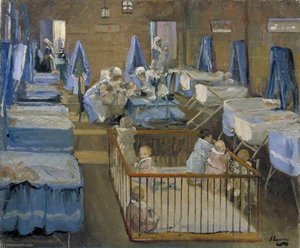
Sir John Lavery’s luminous ‘Lady Henry’s Crèche,’ painted in 1919, captures Edwardian compassion through Impressionistic brushstrokes and tranquil color palettes—a poignant tribute to Lady Henry Wentworth's pioneering hospital nurseries.
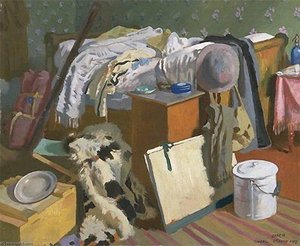
Sir William Orpen’s ‘My Work Room at Cassel,’ painted in 1917 during WWI, captures a chaotic studio brimming with loyal dogs mirroring the artist's anxieties amidst wartime turmoil. Bold Impressionism blends textured detail—a poignant glimpse into Orpen’s creative spirit and domestic life; explore this masterpiece at ArtsDot.
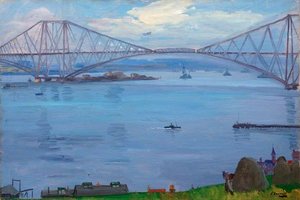
Admire Sir John Lavery's evocative depiction of the Forth Bridge – a masterpiece of Scottish Impressionism capturing its grandeur against serene skies and water. Explore ArtsDot’s collection today!
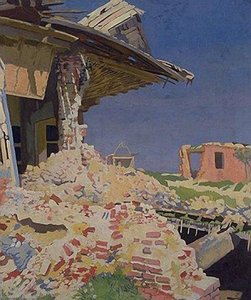
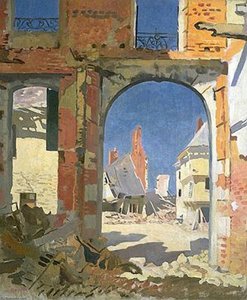
Witness Orpen's poignant "The Girls’ College, Péronne" (1917). A haunting landscape scarred by WWI, this impressionistic masterpiece captures loss and resilience through ruined architecture & earthy tones. Explore a powerful meditation on trauma and remembrance.
Sir John Lavery's "Munitions, Newcastle" (1917) captures the industrial heart of wartime Britain – a bustling munitions factory scene brimming with activity and raw determination.
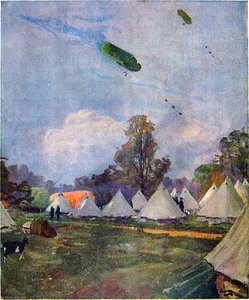
John Lavery's 'Kite Balloons,' painted in 1914, embodies Impressionistic ideals with loose brushstrokes capturing the tranquility of rural Britain before World War I. Explore this serene landscape and its subtle commentary on societal anxieties.
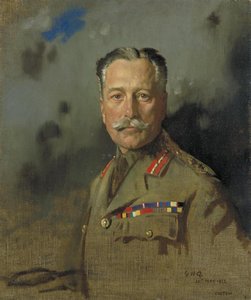
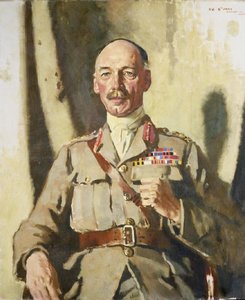
Admire Sir Henry Rawlinson in this striking portrait by William Orpen, capturing the distinguished general's presence during WWI. A masterful oil on canvas reflecting a pivotal era.