 Preview
 Send
Send Share
Share
 Details

 Download
 Similars
 X-Ray
X-Ray Diaporama
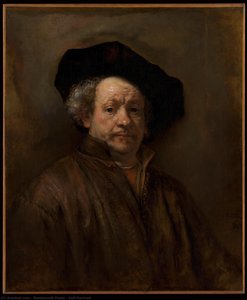
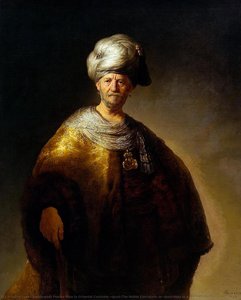
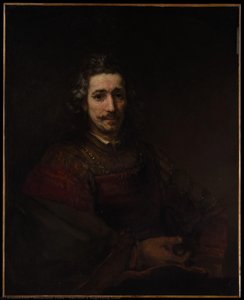
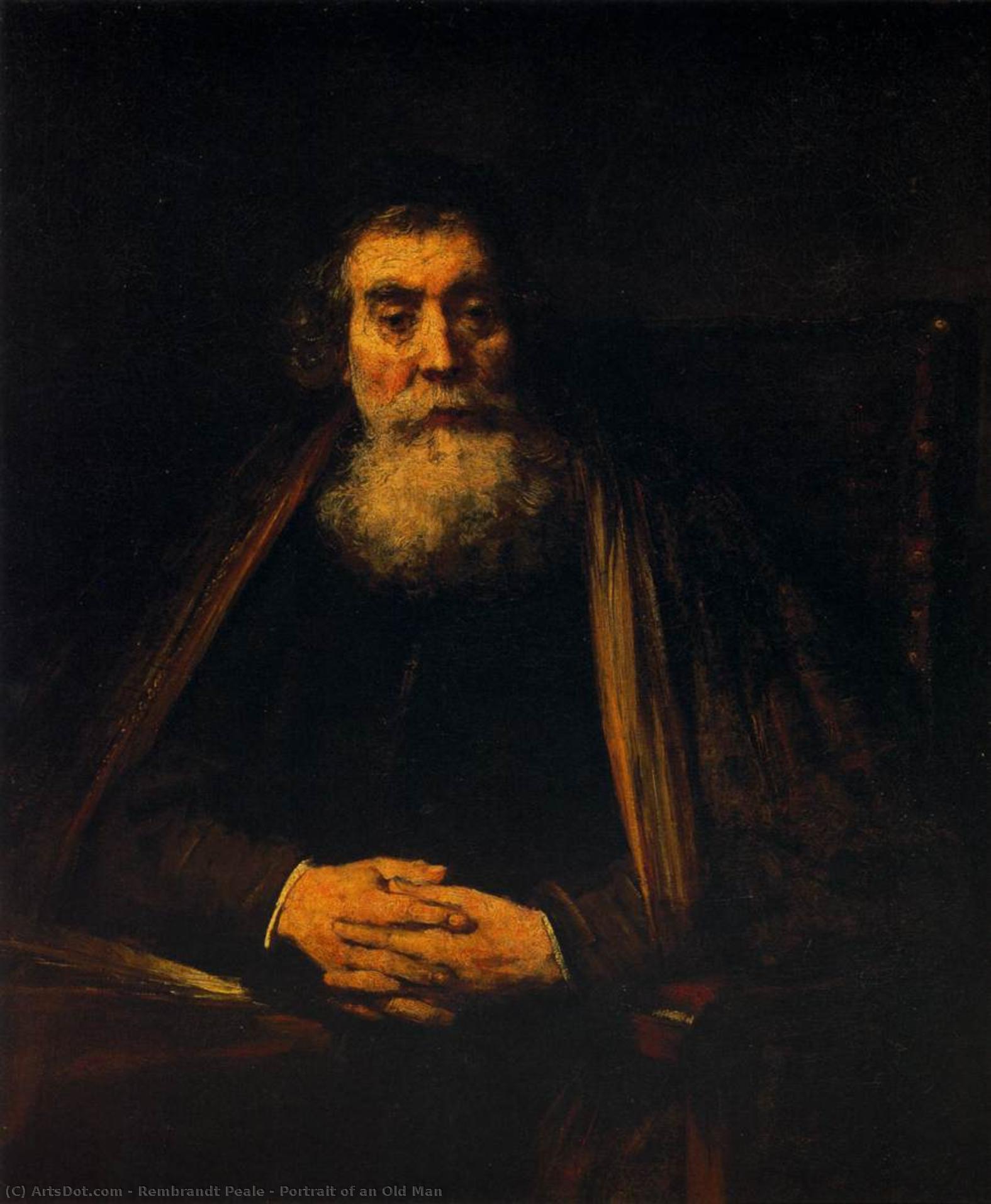
Portrait of an Old Man
 Acrylic On Canvas
- WallArt
- Baroque
 1665
1665 86.0 x 104.0 cm
 Galleria degli Uffizi
 Read More
Hand Made Oil Reproduction
Hand-painted oil on canvas in your size and frame, made to order by our artists. ( Buy Print Buy Image)




P118B $10

P118H $10

P118W $10

P438Z $10

P508JH $12

P508YH $12

P805H $10

P805Z $10

P919BZ $10

P919G $10

P919XJ $10

P959ZH $10

P968JZ $12

W106C $8

W218G $10

W218JH $8

W218Y $10

W307PJ $10

W316G $10

W316PJ $8

W316Y $10

W398PJ $8

W4111J $10

W500HY $15

W500JH $15

W692G $12

W849H $8

W940BG $15

W953PJ $8




Pick from our preset sizes that match the artwork's original proportions.

You may enter your own dimensions to fit a specific frame or space. If your selected size does not match the original image's proportions, we will either crop the artwork or extend the painting with additional hand-painted elements. A digital mockup will be sent for your approval before production begins.
Please note that the on-screen preview does not reflect the actual cropping or extension. Only the mockup will accurately show the final composition.
While custom sizes are available, we recommend selecting a dimension from the predefined list to preserve the original proportions.
After order, ArtsDot.com team will email client for instructions and provide a mockup preview
Worldwide Delivery () in 3/4 weeks instead of standard 5 weeks. (16 August). No compromise on quality.

Free Worldwide Express Shipping

High-Quality Linen Canvas

Full Shipping Insurance

Customs Tax Refund Guarantee

True Color Matching Guarantee

60-Day Return Policy (Defects Only)

100% Money-Back Guarantee

Bulk Discount Offer
 Glass option is only available in size under 110 CM

Portrait of an Old Man
Reproduction Medium
Reproduction Size
-


Total Price
$ 263
Artwork Description
Portrait of an Old Man: A Study in Contemplation and Baroque Mastery
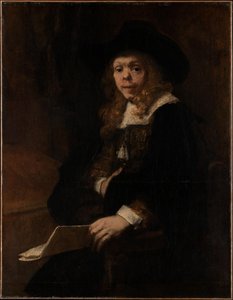
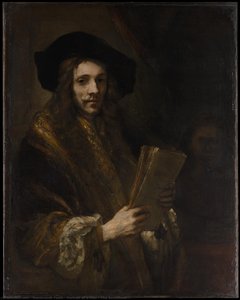
Rembrandt Peale’s “Portrait of an Old Man,” painted in 1665, isn't merely a depiction of a gentleman; it’s a profound meditation on age, wisdom, and the quiet dignity of human experience. The painting immediately draws the viewer into a world of thoughtful introspection, capturing a moment suspended between observation and inner reflection. Peale, working within the rich traditions of Baroque portraiture, masterfully employs chiaroscuro – the dramatic interplay of light and shadow – to sculpt the figure’s face and imbue the scene with an almost palpable sense of atmosphere. The subject, though unnamed, possesses a remarkable presence; his gaze, directed slightly off-center, suggests a life lived fully, perhaps burdened by memories but radiating an undeniable serenity.
The composition itself is carefully considered. Peale utilizes a pyramidal structure, anchoring the figure and drawing the eye upwards towards his face. The folds of his clothing are rendered with meticulous detail, hinting at both wealth and a certain formality – a subtle indication of his status within society. Notice how the light catches the texture of his beard and mustache, highlighting their intricate patterns while simultaneously deepening the shadows around his eyes, adding to the air of mystery surrounding his thoughts. The muted color palette—primarily browns, grays, and ochres—contributes significantly to the painting’s somber yet dignified mood.
The Artist's Legacy: Rembrandt Peale and the Dawn of American Portraiture
Rembrandt Peale (1778-1860) stands as a pivotal figure in the history of American art, not simply for his artistic skill but also for his pioneering role in establishing portraiture as a respected and commercially viable genre. Born into a family deeply rooted in the arts – his father, Charles Willson Peale, was both a celebrated painter and the founder of the Philadelphia Museum (later the Peale Museum) – Rembrandt received an unparalleled education, learning from his father’s extensive knowledge of art, science, and natural history. This unique upbringing profoundly shaped his artistic vision, blending classical techniques with a distinctly American sensibility.
Peale's early training in Europe, particularly during his stay in Paris between 1808 and 1810, exposed him to the latest developments in European art, most notably the Neoclassical style championed by Jacques-Louis David. However, he skillfully adapted these influences to create a distinctly American approach, characterized by a focus on capturing individual likenesses with remarkable accuracy and an understated elegance. His work served as a crucial bridge between European artistic traditions and the burgeoning art scene in the United States.
Symbolism and Technique: A Baroque Masterpiece
Peale’s masterful use of chiaroscuro is not merely decorative; it's integral to the painting’s symbolic meaning. The strong contrasts between light and shadow create a sense of depth and volume, emphasizing the subject’s face and drawing attention to his contemplative expression. The subtle gradations of tone suggest a complex inner life—a wealth of thoughts and emotions simmering beneath the surface. Furthermore, the careful rendering of textures – from the velvet of his coat to the fine hairs on his beard – demonstrates Peale's exceptional technical skill and his commitment to capturing the nuances of reality.
The painting’s composition also subtly reinforces its thematic concerns. The subject’s posture—slightly slumped, with his hands resting calmly in his lap—conveys a sense of quiet acceptance and inner peace. He is not presented as a figure of power or grandeur, but rather as an individual who has found contentment in the simple pleasures of reflection. This deliberate choice reflects Peale's belief that true beauty lies not in outward appearances but in the depth of character.
A Timeless Portrait: Reproduction and Artistic Inspiration
ArtsDot’s meticulously crafted hand-painted reproductions of “Portrait of an Old Man” offer a unique opportunity to experience this iconic work of art firsthand. Each reproduction is created by skilled artists who painstakingly recreate Peale's techniques, capturing the painting’s rich textures, dramatic lighting, and profound emotional impact. Whether displayed in a private residence or incorporated into a larger collection, this artwork serves as a timeless reminder of the enduring power of portraiture to capture the essence of human experience.
Beyond its aesthetic appeal, “Portrait of an Old Man” invites contemplation on themes of aging, wisdom, and the passage of time. It’s a work that speaks to our shared humanity—a testament to the beauty and dignity found in the quiet moments of reflection. Consider how this piece could complement your interior design scheme, adding a touch of historical gravitas and contemplative serenity to any space.
Related Artworks
Artist Biography
A Legacy of Likeness: The Life and Art of Rembrandt Peale
Rembrandt Peale, born in Bucks County, Pennsylvania, in 1778, emerged from a family deeply entrenched in the burgeoning artistic landscape of early America. His father, Charles Willson Peale, was not merely an artist but a cultural force—a painter, museum founder, and ardent believer in the power of art to shape national identity. It was within this stimulating environment that young Rembrandt received his foundational training, alongside his siblings, learning the techniques of portraiture and landscape painting from their father’s skilled hand. The very bestowal of the name “Rembrandt,” echoing the Dutch master Harmenszoon van Rijn, signaled Charles Willson Peale's aspirations for his son—a hope that he would carry forward a tradition of artistic excellence. From an astonishingly young age, Rembrandt demonstrated remarkable aptitude, completing his first self-portrait at just thirteen years old, a work already hinting at the precision and ambition that would characterize his mature style. This early piece wasn’t simply a display of technical skill; it was a statement of intent, a young artist declaring his presence on the American art scene.Formative Years and Neoclassical Influences
Peale's artistic journey took him to Paris in his early thirties, a pivotal experience that profoundly shaped his aesthetic sensibilities. Immersed in the heart of European culture, he encountered the prevailing currents of French neoclassicism—a style emphasizing order, clarity, and a return to classical ideals. This influence is readily apparent in Peale’s subsequent work, characterized by its refined draftsmanship, balanced compositions, and meticulous attention to detail. While his father's portraits often possessed a certain rustic vitality, Rembrandt’s leaned towards a more polished and idealized representation of his subjects. He embraced the encaustic technique during this period, an ancient method utilizing wax as a medium, demonstrating a commitment to exploring innovative approaches to painting. However, Peale didn’t simply mimic European styles; he adapted them to the American context, creating portraits that reflected the nation's evolving sense of identity and its aspirations for cultural independence. His dedication to capturing accurate likenesses, combined with his neoclassical training, allowed him to create images that were both aesthetically pleasing and historically significant.A Prolific Portraitist: Capturing an Era
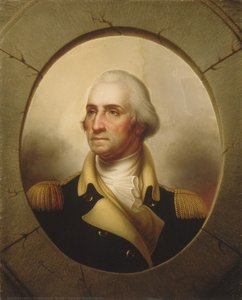
Rembrandt Peale’s career was remarkably prolific, marked by a relentless pursuit of artistic perfection and a dedication to documenting the prominent figures of his time. He became particularly renowned for his portraits of George Washington, creating over seventy replicas of his iconic “Patriae Pater” (Father of His Country). These images weren't merely representations of physical appearance; they were carefully constructed symbols of national pride and leadership. Peale understood the power of portraiture to shape public perception and contribute to the creation of a collective memory. Beyond Washington, he painted numerous other influential individuals, including Thomas Jefferson, John C. Calhoun, and various members of the American elite. His portraits weren’t limited to political figures; he also captured the likenesses of ordinary citizens, offering a glimpse into the lives and aspirations of everyday Americans. Man with a Beard, though undated, exemplifies his skill in capturing individual character and psychological depth. Each brushstroke reveals not just physical features but also hints at the sitter’s inner life.Beyond the Canvas: The Peale Museum and Enduring Legacy
Rembrandt Peale's contributions extended beyond the realm of painting; he was a visionary museum founder, driven by a desire to educate the public and promote artistic appreciation. In 1814, he established his first museum in Baltimore, Maryland—a groundbreaking institution that served as a precursor to many modern art museums. This wasn’t simply a gallery for displaying artworks; it was conceived as a center for learning, offering exhibitions of paintings, sculptures, and natural history specimens. The museum later became the second Baltimore City Hall before being restored as the Peale Museum, continuing his legacy of public service through art. His commitment to making art accessible to all reflects a deeply held belief in its transformative power. Today, Rembrandt Peale’s works are housed in prestigious collections around the world, including the National Portrait Gallery in Washington D.C., and continue to be celebrated for their historical significance and artistic merit. His influence can be seen in the work of subsequent generations of American portrait painters, solidifying his place as a pivotal figure in the nation's art history.A Lasting Impression
Rembrandt Peale’s life was one dedicated to both artistic creation and cultural enrichment. He wasn’t simply a painter; he was a historian, an educator, and a champion of American identity. His portraits offer invaluable insights into the personalities and values of his era, while his museum served as a beacon of enlightenment in a rapidly changing nation. His legacy endures not only through his numerous artworks but also through his pioneering spirit and unwavering commitment to the power of art. He left behind a body of work that continues to inspire and captivate audiences today, reminding us of the enduring importance of preserving our cultural heritage and celebrating the achievements of those who came before us.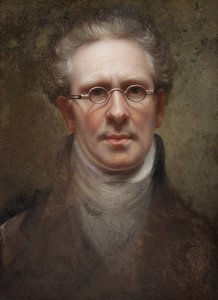
Rembrandt Peale
1778 - 1860 , United States of America
Quick Facts
- Artistic Movement Or Style: Neoclassicism
- Artists Who Influenced This Artist: ['Rembrandt van Rijn']
- Date Of Birth: 1778-02-22
- Date Of Death: 1860
- Full Name: Rembrandt Peale
- Nationality: American
- Notable Artworks:
- George Washington (porthole type)
- Man with a beard
- Rev. John Pierpont portrait
- Place Of Birth: Bucks County, USA
Related Articles
Alonzo Chappel: Historical Narrative & Romantic Vision in 19th-Century American Painting
Explore the captivating world of Alonzo Chappel, a master of 19th-century American historical painting. Discover his iconic works, Romantic style & lasting legacy. Learn about collecting Chappel's art today!
From Snapshot to Legacy: Reimagining Family Portraits Through the Lens of Old Master Techniques
Transform cherished memories into lasting heirlooms with custom family portraits inspired by Old Master techniques. Expert artists, museum-quality craftsmanship & a timeless legacy guaranteed. Explore the art of portraiture.
Charles Willson Peale: Portraiture, Enlightenment Ideals & Shaping American Identity
Explore the life & art of Charles Willson Peale – Revolutionary portraitist, scientist, and founder of America’s first museum. Discover his iconic paintings of Washington & the Enlightenment ideals that shaped a nation.
Ivory Black Masters: 10 Paintings That Define Dramatic Art |
Delve into the power of 'Ivory Black' with 10 iconic paintings by masters like Rembrandt & Caravaggio. Explore dramatic chiaroscuro, gothic moods & timeless art history. Find museum-quality reproductions and elevate your home decor at

Mars Black Masterpieces: 10 Iconic Paintings & Timeless Art Decor Ideas
Delve into the power of 'Mars Black' with 10 iconic paintings by masters like Rembrandt & Caravaggio. Explore dramatic chiaroscuro, gothic art, and timeless beauty. Find museum-quality reproductions & elevate your home decor on .