 Preview
 Send
Send Share
Share
 Details

 Download
 Similars
 X-Ray
X-Ray Diaporama
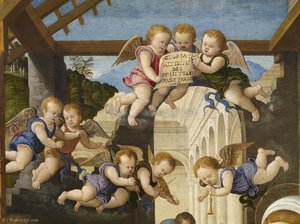
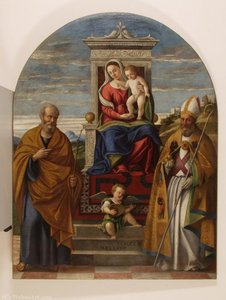
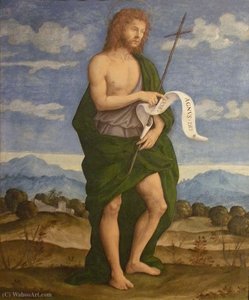
The Adoration of the Three Kings - (123)
 Read More
Hand Made Oil Reproduction
Hand-painted oil on canvas in your size and frame, made to order by our artists. ( Buy Print Buy Image)




P118B $10

P118H $10

P118W $10

P438Z $10

P508JH $12

P508YH $12

P805H $10

P805Z $10

P919BZ $10

P919G $10

P919XJ $10

P959ZH $10

P968JZ $12

W106C $8

W218G $10

W218JH $8

W218Y $10

W307PJ $10

W316G $10

W316PJ $8

W316Y $10

W398PJ $8

W4111J $10

W500HY $15

W500JH $15

W692G $12

W849H $8

W940BG $15

W953PJ $8




Pick from our preset sizes that match the artwork's original proportions.

You may enter your own dimensions to fit a specific frame or space. If your selected size does not match the original image's proportions, we will either crop the artwork or extend the painting with additional hand-painted elements. A digital mockup will be sent for your approval before production begins.
Please note that the on-screen preview does not reflect the actual cropping or extension. Only the mockup will accurately show the final composition.
While custom sizes are available, we recommend selecting a dimension from the predefined list to preserve the original proportions.
After order, ArtsDot.com team will email client for instructions and provide a mockup preview
Worldwide Delivery () in 3/4 weeks instead of standard 5 weeks. (18 August). No compromise on quality.

Free Worldwide Express Shipping

High-Quality Linen Canvas

Full Shipping Insurance

Customs Tax Refund Guarantee

True Color Matching Guarantee

60-Day Return Policy (Defects Only)

100% Money-Back Guarantee

Bulk Discount Offer
 Glass option is only available in size under 110 CM

The Adoration of the Three Kings - (123)
Reproduction Medium
Reproduction Size
-


Total Price
$ 263
Artwork Description
A Glimpse into Venetian Renaissance: Girolamo da Santacroce's "The Adoration of the Three Kings"
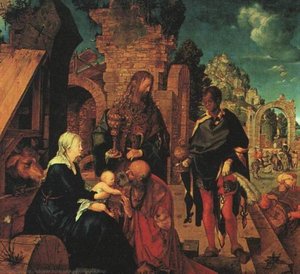
This captivating artwork, “The Adoration of the Three Kings” by Girolamo da Santacroce, offers a window into the vibrant artistic landscape of 16th-century Venice. While the precise date remains unknown, its style firmly places it within the High Renaissance period, showcasing the artist's mastery and reflecting the religious fervor prevalent at the time.
Subject & Style: A Traditional Scene with Venetian Flair
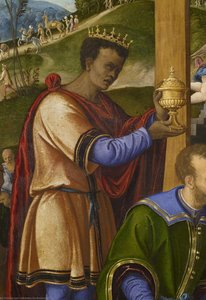
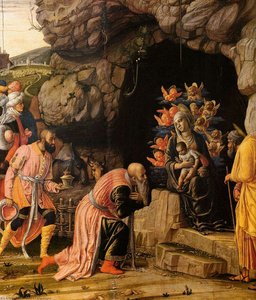
The painting depicts the traditional Christian narrative of the Three Kings (Magi) visiting the infant Jesus, bringing gifts of gold, frankincense, and myrrh. Santacroce’s approach is rooted in established Renaissance conventions – a balanced composition, idealized figures, and meticulous attention to detail. However, it's infused with a distinctly Venetian sensibility. Notice the rich color palette, characteristic of Venetian painting, and the subtle use of light and shadow that creates depth and atmosphere. Unlike the more austere styles emerging elsewhere in Italy, Santacroce’s work retains a warmth and sensuality typical of Venice.
Technique & Influences: Copying Masters and Developing a Personal Style
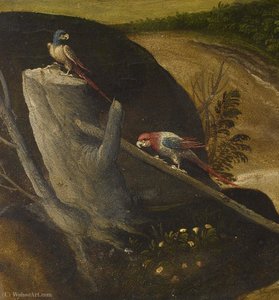
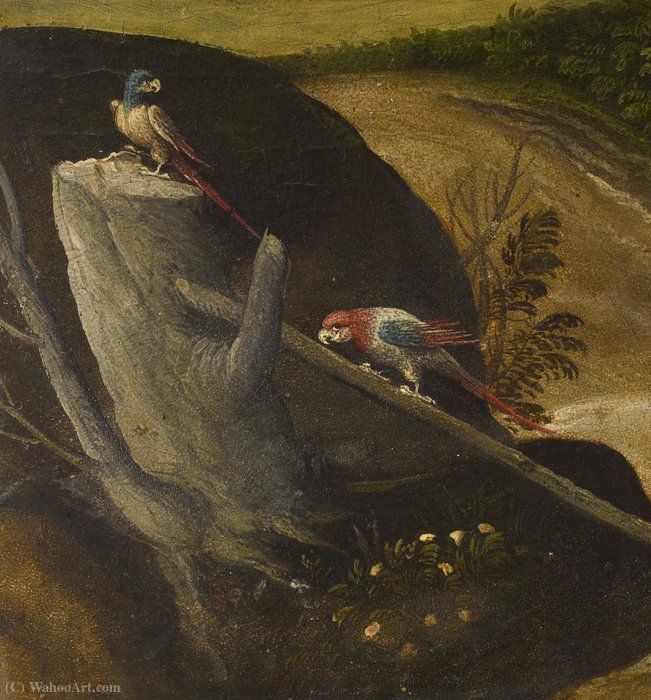
Girolamo da Santacroce was known for his prolific output, often working as an assistant to established masters like Giovanni Bellini and Cima da Conegliano. He also produced numerous copies after the works of Titian and Palma Vecchio – a common practice in Renaissance workshops used for training and fulfilling commissions. This painting likely reflects those influences; you can discern echoes of Titian’s dramatic lighting and Palma Vecchio's elegant figures. Santacroce, however, wasn't merely a copier. He developed his own distinct style characterized by a certain grace and attention to detail in depicting fabrics and textures. The birds perched on the tree branch, along with the rock formation and scattered leaves, demonstrate his skill in rendering natural elements.
Symbolism & Historical Context: Faith, Royalty, and Artistic Tradition
The Adoration of the Magi is a deeply symbolic scene representing the recognition of Jesus as king by figures from different cultures. The gifts themselves carry profound meaning – gold symbolizing kingship, frankincense representing divinity, and myrrh foreshadowing Christ's sacrifice. In 16th-century Venice, religious art played a crucial role in both public devotion and private patronage. Santacroce’s painting would have likely been commissioned for a church or a wealthy family’s chapel, serving as a visual testament to their faith and status. The presence of oriental drawings inherited from Gentile Bellini also highlights the Venetian interest in Eastern cultures.
Emotional Impact & Artistic Legacy: A Moment of Reverence
Beyond its historical and artistic significance, “The Adoration of the Three Kings” evokes a sense of reverence and wonder. The figures’ expressions convey humility and awe as they kneel before the Christ Child. The composition draws the viewer into this sacred moment, inviting contemplation on themes of faith, royalty, and divine grace. Santacroce's work, though often overshadowed by his more famous contemporaries, provides valuable insight into the artistic practices and religious beliefs of Renaissance Venice.
Related Artworks
Artist Biography
The Venetian Legacy of Girolamo da Santacroce
In the luminous heart of the Venetian Renaissance, where the light of the lagoons dances upon canvas, the name Girolamo da Santacroce resonates as a testament to the profound power of artistic lineage and devotion. Born in Bergamo around 1480, Santacroce’s journey was one intimately entwined with the very fabric of the Venetian school. His early years were shaped by an extraordinary apprenticeship under the venerable Gentile Bellini, a connection so significant that it transcended mere instruction; upon Bellini's passing in 1507, Santacroce was bequeathed half of the master's precious Oriental drawings. This inheritance provided him with a unique window into diverse aesthetic worlds, fueling a lifelong fascination with intricate detail and cross-cultural visual narratives.
As he navigated the bustling workshops of Venice, Santaciente did not merely observe from the periphery but immersed himself in the creative currents alongside giants such as Giovanni Bellini and Cima da Conegliano. This period of formative apprenticeship allowed him to absorb the subtle nuances of Venetian color and the atmospheric depth that would become hallmarks of his era. His work, while often characterized by its role in reproducing the masterpieces of his contemporaries, reveals a profound understanding of the High Renaissance spirit—a period where the boundaries between imitation and innovation were beautifully blurred.
A Master of Mimicry and Emotional Depth
To speak of Santacroce is to speak of a master of the reproduction, yet to dismiss him as a mere copyist would be to overlook the technical brilliance required to breathe life into the works of others. He was a prolific chronicler of the Venetian style, producing numerous canvases after the legendary Titian and Palma Vecchio. Through these works, he captured the dramatic lighting and muscular vitality of Titian, alongside the elegant, lyrical figures characteristic of Palma Vecchio. His ability to translate the heavy textures of oil and the subtle gradations of skin tones allowed him to participate in a vital artistic discourse, ensuring that the stylistic triumphs of the great masters were documented and disseminated throughout the mainland.
Beyond the technicality of his copies, Santacroce’s original contributions and his interpretations possess a distinct warmth. His canvases often pulsate with a certain sensuality and emotional resonance, particularly in his religious compositions. Whether depicting the serene beauty of a Madonna or the harrowing intensity of a martyrdom, he utilized a rich color palette and a masterful command of light to evoke deep spiritual contemplation. In works such as The Adoration of the Three Kings, one can observe a meticulous attention to the natural world—the delicate rendering of birds on a branch or the rugged texture of stone—which grounds his sacred narratives in a tangible, earthly reality.
Historical Significance and Enduring Presence
The historical importance of Girolamo da Santacroce lies in his role as a vital link in the chain of Venetian art history. He was an active participant in the evolution of the Renaissance, acting as both a student of the old guard and a bridge to the burgeoning styles of the mid-16th century. His dedication to the faithful recreation of masterpieces served a dual purpose: it functioned as a rigorous training ground for the workshop system and acted as a preservation of the Venetian aesthetic during a period of rapid stylistic change.
Though some scholarly debates persist regarding the exact attribution of certain works—particularly when distinguishing his hand from other artists of similar names in Naples—his footprint in the Venetian mainland remains indelible. His legacy is found in the museums that house his treasures, such as the Museo Civico di Vicenza and The Walters Art Museum, where his paintings continue to offer modern viewers a window into the soul of the Renaissance. Through his brush, the grandeur of the Venetian masters was not only preserved but reimagined, ensuring that the brilliance of the 16th century continues to illuminate the halls of art history.
girolamo da santacroce
1480 - 1556 , Italy
Quick Facts
- Artistic Movement Or Style: Renaissance
- Artists Or Movements Influenced By This Artist: ['Renaissance']
- Artists Who Influenced This Artist:
- Gentile Bellini
- Titian
- Palma Vecchio
- Date Of Birth: Italy (1480)
- Date Of Death: 1556
- Full Name: Girolamo da Santacroce
- Nationality: Italian
- Notable Artworks:
- The Adoration of the Three Kings
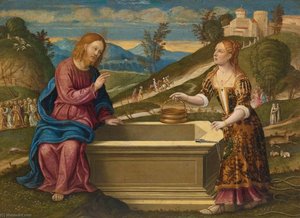
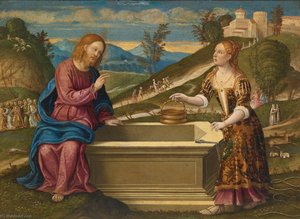
- Christ and the woman of Samaria
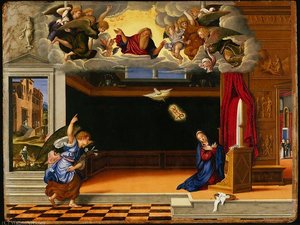
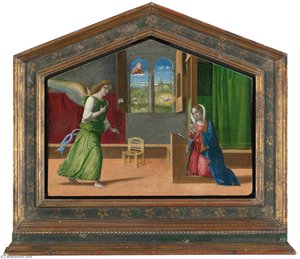
- The annunciation
- Place Of Birth: Bergamo
Related Articles
Leonardo da Vinci's Masterpieces: Explore 25 Iconic Artworks for Your Home | ArtsDot
Journey through Leonardo da Vinci's genius with our curated selection of 25 iconic artworks. Explore the stories behind Mona Lisa, The Last Supper & more Renaissance masterpieces. Find museum-quality art reproductions for your home at ArtsDot.com.
Leonardo da Vinci: A Renaissance Master’s Synthesis of Art, Science & Human Observation – Reinterpreted for the Collector
Explore Leonardo da Vinci’s timeless masterpieces with ArtsDot. Discover insights into his art, science, and legacy – trusted expertise for discerning collectors seeking authentic reproductions & investment opportunities.
Renaissance Humanism's Greatest Art: 10 Masterpieces for Your Home
Explore 10 Renaissance Humanism masterpieces by Leonardo da Vinci, Michelangelo & Raphael. Discover the stories behind these iconic paintings & sculptures and bring timeless art into your home with museum-quality reproductions from ArtsDot.com. Explore the full collection online!

Louvre Masterpieces: Explore the Top 25 Artworks for Your Home | ArtsDot
Journey through the Louvre's 25 most iconic artworks! Explore masterpieces by Leonardo da Vinci, Michelangelo & Delacroix. Discover art history, techniques & find museum-quality reproductions for your home at ArtsDot.com.
Uffizi's 25 Masterpieces: Renaissance Art & Timeless Decor Inspiration
Journey through the Uffizi Gallery's 25 most iconic Renaissance artworks! Explore Botticelli, Leonardo da Vinci & Michelangelo’s masterpieces. Find museum-quality art reproductions and curated decor ideas to bring timeless Italian beauty into your home. Discover all masterpieces on ArtsDot.com