 Preview
 Send
Send Share
Share
 Details

 Download
 Similars
 X-Ray
X-Ray Diaporama
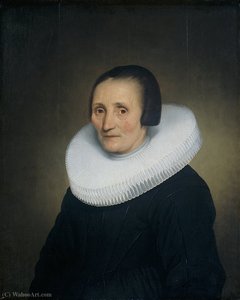
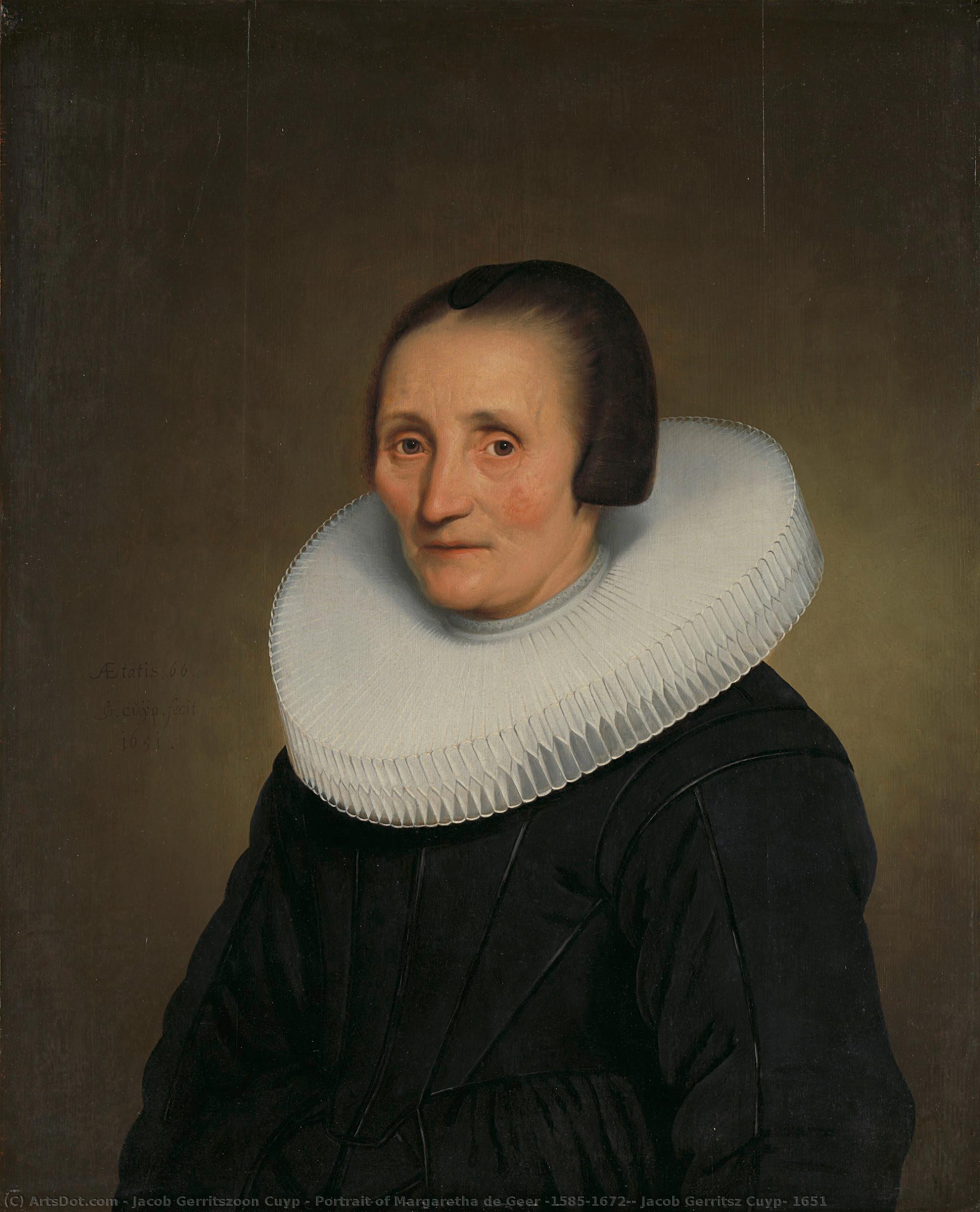
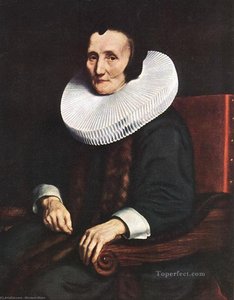
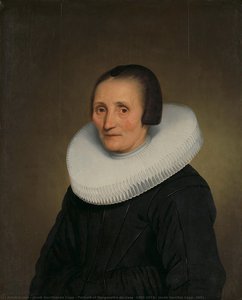
Portrait of Margaretha de Geer (1585-1672), Jacob Gerritsz Cuyp, 1651
 1651
1651 74.0 x 60.0 cm
 Read More
Hand Made Oil Reproduction
Hand-painted oil on canvas in your size and frame, made to order by our artists. ( Buy Print Buy Image)




































Pick from our preset sizes that match the artwork's original proportions.

You may enter your own dimensions to fit a specific frame or space. If your selected size does not match the original image's proportions, we will either crop the artwork or extend the painting with additional hand-painted elements. A digital mockup will be sent for your approval before production begins.
Please note that the on-screen preview does not reflect the actual cropping or extension. Only the mockup will accurately show the final composition.
While custom sizes are available, we recommend selecting a dimension from the predefined list to preserve the original proportions.
After order, ArtsDot.com team will email client for instructions and provide a mockup preview
Worldwide Delivery () in 3/4 weeks instead of standard 5 weeks. (17 August). No compromise on quality.

Free Worldwide Express Shipping

High-Quality Linen Canvas

Full Shipping Insurance

Customs Tax Refund Guarantee

True Color Matching Guarantee

60-Day Return Policy (Defects Only)

100% Money-Back Guarantee

Bulk Discount Offer
 Glass option is only available in size under 110 CM

Portrait of Margaretha de Geer (1585-1672), Jacob Gerritsz Cuyp, 1651
Reproduction Medium
Reproduction Size
-


Total Price
$ 263
Artwork Description
Related Artworks
Artist Biography
The Master of Dordrecht: The Life and Legacy of Jacob Gerritszoon Cuyp
In the heart of the Dutch Golden Age, amidst the bustling maritime commerce of Dordrecht, a profound artistic legacy was being forged by Jacob Gerritszoon Cuyp. Born in 1594, Cuyp was not merely an observer of his era but a vital participant in its visual evolution. He descended from a lineage deeply embedded in the aesthetic fabric of the Netherlands; his father, Gerrit Gerritsz Cuyp, was a distinguished stained glass designer whose mastery of light and color would undoubtedly plant the seeds of meticulous observation in his son's mind. This early immersion in a world of translucent pigments and structured brilliance provided the foundation for an artist who would eventually master both the intimate human countenance and the vast, unpredictable expanse of the sea.
Cuyp’s formative years were marked by a pursuit of technical excellence that led him to Haarlem, where he encountered the legendary Frans Hals. Under the tutelage of such a titan of portraiture, Cuyp learned to capture more than just physical likeness; he learned to imbue his subjects with a palpable sense of dignity and psychological depth. His early works, particularly those featuring ecclesiastical figures, reflect this rigorous training, characterized by a solemnity and a command over light that commanded respect. Yet, while his roots were firmly planted in the tradition of portraiture, Cuyp’s spirit was drawn toward the horizon, seeking to translate the raw, elemental energy of the Dutch landscape onto canvas.
A Symphony of Sea and Sky
As his career matured, Cuyp underwent a remarkable stylistic transition, moving away from the controlled environments of studio portraiture toward the untamed beauty of maritime landscapes. He became a poet of the waves, a painter who understood that the sea was not a static backdrop but a living, breathing protagonist. Unlike many of his contemporaries who sought to present an idealized or tranquil version of nature, Cuyp embraced the sublime—the terrifying and magnificent power of turbulent waters and misty, uncertain horizons. His ability to render the subtle interplay of light upon a cresting wave or the way salt spray dissolves into a grey morning mist remains a testament to his technical virtuosity.
This fascination with the marine environment was deeply intertwined with a scientific curiosity that set him apart from many of his peers. Cuyp possessed an inquisitive, almost anatomical mind, pursuing studies in anatomy and color theory that informed his brushwork. He experimented extensively with complex glazing techniques, layering translucent washes of pigment to create a luminous, atmospheric depth that seemed to breathe within the frame. This dedication to accuracy allowed him to capture the ephemeral qualities of light—the way it shifts during a storm or settles softly over a calm harbor—making his seascapes not just depictions of scenery, but profound meditations on the fleeting nature of time and atmosphere.
A Lasting Impression on the Dutch Golden Age
The historical significance of Jacob Gerritszoon Cuyp extends far beyond his individual canvases; he was a cornerstone of a family dynasty that would define Dutch art for generations. He was the father of Aelbert Cuyp, who would go on to become one of the most celebrated landscape painters in history, and the uncle of Benjamin Gerritsz. Cuyp. Through his lineage, the technical innovations and the atmospheric sensitivity he pioneered were passed down, enriching the Dutch tradition of pastoral and maritime art. His influence can be seen in the way subsequent generations approached the depiction of light and the emotional resonance of the natural world.
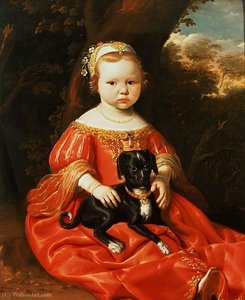
Today, the works of Cuyp serve as vital windows into the 17th-century Dutch soul. Whether through a poignant portrait that captures the quiet grace of a young girl or a dramatic seascape that evokes the roar of the North Sea, his art remains a powerful testament to the era's intellectual and artistic vigor. His life, spanning from the vibrant streets of Dordrecht to the prestigious studios of Haarlem, represents the very essence of the Golden Age: a period where scientific inquiry, commercial prosperity, and unparalleled artistic mastery converged to create something truly eternal.
jacob gerritszoon cuyp
1594 - 1652 , Netherlands
Quick Facts
- Artistic Movement Or Style: Dutch Golden Age
- Date Of Birth: 1594
- Full Name: Jacob Gerritszoon Cuyp
- Nationality: Dutch
- Notable Artworks:
- Portrait of Margaretha de Geer
- Margaretha de Geer
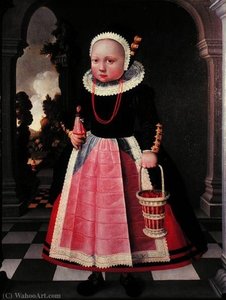
- Portrait of a girl with a doll and a basket
- Place Of Birth: Dordrecht, Netherlands