 Preview
 Send
Send Share
Share
 Details

 Download
 Similars
 X-Ray
X-Ray Diaporama
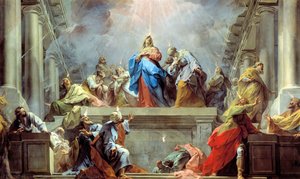
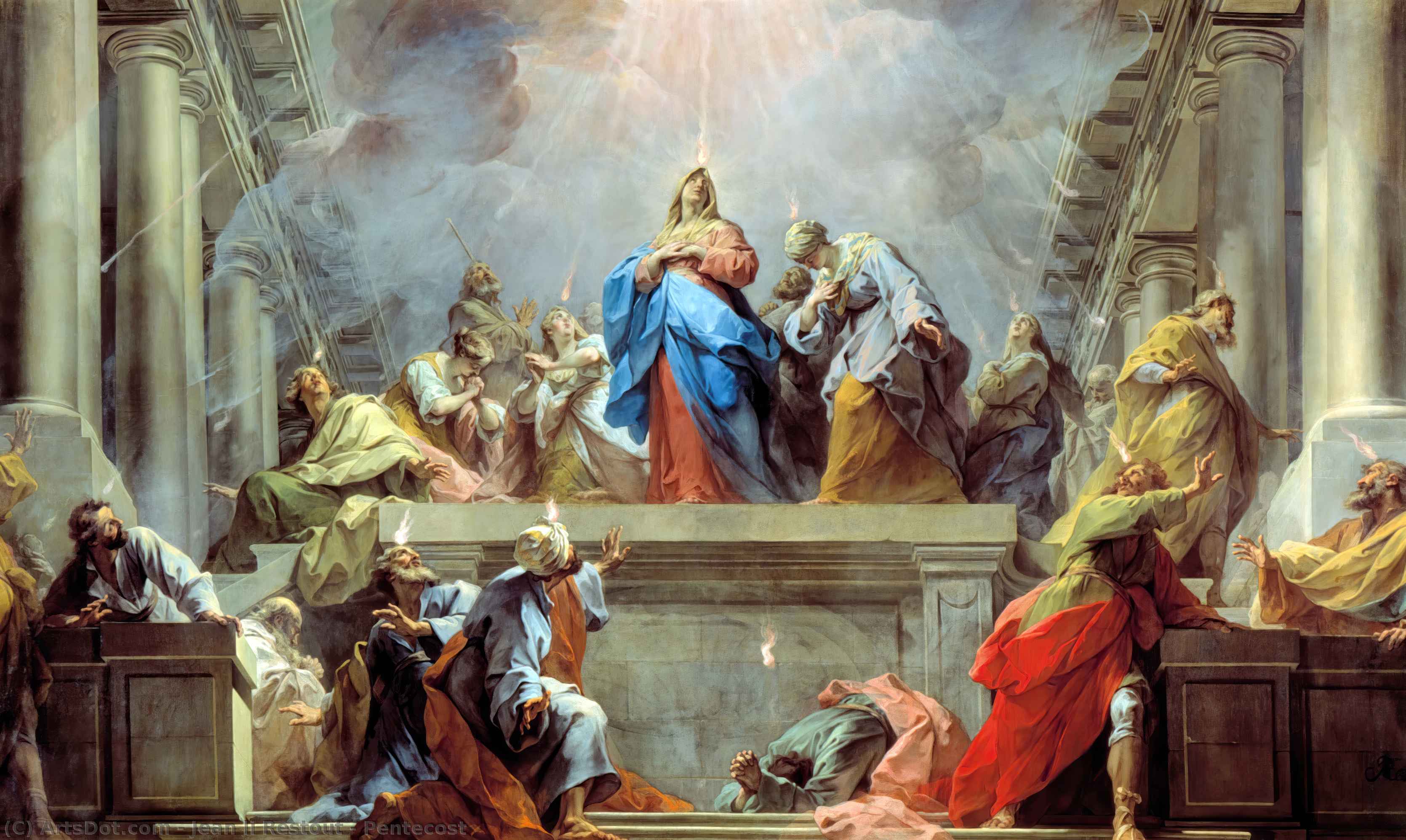
Pentecost
 Acrylic On Canvas
- WallArt
- Baroque Classicism
 1732
1732 465.0 x 778.0 cm
 The Louvre
 Read More
Hand Made Oil Reproduction
Hand-painted oil on canvas in your size and frame, made to order by our artists. ( Buy Print Buy Image)




P118B $10

P118H $10

P118W $10

P438Z $10

P508JH $12

P508YH $12

P805H $10

P805Z $10

P919BZ $10

P919G $10

P919XJ $10

P959ZH $10

P968JZ $12

W106C $8

W218G $10

W218JH $8

W218Y $10

W307PJ $10

W316G $10

W316PJ $8

W316Y $10

W398PJ $8

W4111J $10

W500HY $15

W500JH $15

W692G $12

W849H $8

W940BG $15

W953PJ $8




Pick from our preset sizes that match the artwork's original proportions.

You may enter your own dimensions to fit a specific frame or space. If your selected size does not match the original image's proportions, we will either crop the artwork or extend the painting with additional hand-painted elements. A digital mockup will be sent for your approval before production begins.
Please note that the on-screen preview does not reflect the actual cropping or extension. Only the mockup will accurately show the final composition.
While custom sizes are available, we recommend selecting a dimension from the predefined list to preserve the original proportions.
After order, ArtsDot.com team will email client for instructions and provide a mockup preview
Worldwide Delivery () in 3/4 weeks instead of standard 5 weeks. (18 August). No compromise on quality.

Free Worldwide Express Shipping

High-Quality Linen Canvas

Full Shipping Insurance

Customs Tax Refund Guarantee

True Color Matching Guarantee

60-Day Return Policy (Defects Only)

100% Money-Back Guarantee

Bulk Discount Offer
 Glass option is only available in size under 110 CM

Pentecost
Reproduction Medium
Reproduction Size
-


Total Price
$ 263
Artwork Description
A Monumental Vision of Divine Revelation
The painting “Pentecost” by Jean II Restout, completed in 1732, stands as an enduring testament to the grandeur and emotional depth achievable within late Baroque classicism. More than just a depiction of biblical scripture, it’s a carefully constructed theatrical experience designed to inspire awe and reverence—a characteristic hallmark of its time and a lasting legacy for French art history.Origins and Influences: The Jouvenet Legacy
Restout's artistic journey was inextricably linked with the influence of his uncle, Jean Jouvenet, arguably the foremost painter of Jansenist spirituality during the latter half of the 17th century. Jouvenet’s meticulous attention to detail and profound understanding of religious iconography profoundly shaped Restout’s approach to composition and subject matter. This familial connection ensured that Restout's work would resonate with the intellectual currents of his era, prioritizing moral contemplation alongside artistic virtuosity. His election to the Académie Royale de Peinture et de Sculpture in 1717 solidified this commitment to upholding academic standards while simultaneously embracing stylistic innovation.A Dramatic Tableau: Composition and Technique
Restout’s masterful technique—particularly his use of exaggerated perspective—immediately establishes a sense of monumental grandeur. The courtyard setting, reminiscent of Baroque ceiling frescoes, draws the viewer's gaze upwards, emphasizing the scale of the scene and amplifying its dramatic impact. Restout skillfully employs chiaroscuro – the interplay of light and shadow – to sculpt figures against a richly textured backdrop, creating an illusionistic depth that transcends mere representation. This technique wasn’t merely aesthetically pleasing; it served a crucial theological purpose: to convey the overwhelming majesty of God's divine intervention. The careful positioning of Mary at the center, surrounded by disciples expressing varied emotions—fear, astonishment, devotion—further reinforces this narrative core.Symbolism and Narrative Depth
The painting’s symbolism is layered and deliberate. Mary’s serene composure contrasts sharply with the palpable anxiety of her companions, representing faith versus doubt – a central theme within Jansenist theology. The book held by Mary symbolizes divine knowledge and scripture, highlighting the importance of theological contemplation. Furthermore, the architectural elements—the columns and arches—are not merely decorative; they serve as conduits for spiritual energy, channeling the Holy Spirit’s descent upon the disciples. Restout's meticulous attention to detail – from the drapery folds to the expressions on each figure’s face – contributes to a profound emotional resonance that continues to captivate audiences today.Preservation and Legacy
Currently housed in the Musée du Louvre, “Pentecost” exemplifies the enduring power of Baroque art to communicate spiritual truths with breathtaking artistry. Its meticulous execution and masterful composition stand as an inspiration for artists striving to capture the sublime—a testament to Restout’s artistic genius and a cornerstone of French cultural heritage. Reproductions of this iconic artwork offer collectors and interior designers alike the opportunity to experience firsthand the grandeur and emotional depth of a pivotal moment in religious art history.Related Artworks
Artist Biography
Jean II Restout: Life and Legacy
Jean II Restout (1692 – 1768) was a French painter who distinguished himself through his late Baroque classicism, particularly in the realm of religious altarpieces. He stood as a notable figure resisting the prevailing Rococo style of his era.
Early Life and Family Background
Born in Rouen, France, in 1692, Jean II Restout came from an artistic family. His father was Jean I Restout, also a painter. Importantly, his mother, Marie M. Jouvenet, was the sister and pupil of the well-known painter Jean Jouvenet, who would become a significant influence on young Restout’s development.
Artistic Training and Early Career
In 1717, Restout achieved an early milestone by being elected to the Académie Royale de Peinture et de Sculpture based on his work for the prestigious Prix de Rome. However, unlike many recipients, he chose to remain in Paris rather than proceeding to Italy for further study. This decision allowed him to consistently exhibit at the Salons and steadily climb the ranks within the academic hierarchy.
Artistic Style and Major Works
Restout’s artistic style is characterized by a deliberate return to classical principles, even as Rococo flourished around him. His works are marked by their solemnity, dramatic composition, and meticulous detail. He excelled in large-scale altar pieces, ceilings, and designs for the Gobelin tapestries.
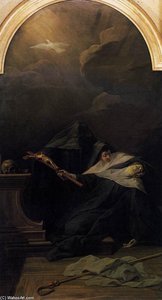
- The Death of St Scholastica: Considered an “isolated achievement” that contrasted sharply with contemporary Rococo trends.
- Pentecost: A powerful depiction showcasing his mastery of composition and religious narrative.
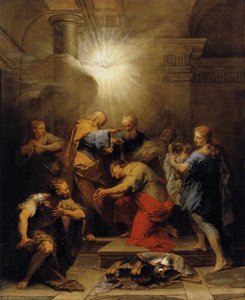
- Ananias Restoring the Sight of St Paul: Demonstrates his skill in portraying dramatic biblical scenes.
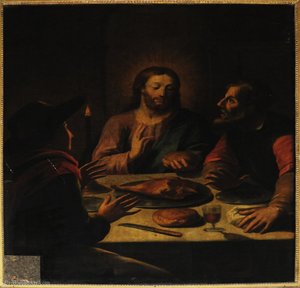
- The Disciples at Emmaus (or Lunch at Emmaus): Another example of his talent for rendering religious subjects with emotional depth.
Influences and Artistic Development
Jean Jouvenet, his maternal uncle, was a crucial early influence on Restout’s artistic development. Jouvenet's emphasis on classical form and dramatic lighting profoundly shaped Restout’s approach to painting. Restout also studied the works of earlier masters, absorbing their techniques and principles.
Later Life and Legacy
Restout held various positions within the Académie throughout his career, demonstrating his standing in the artistic community. His son, Jean-Bernard Restout (1732–1797), also became a painter and won the Prix de Rome in 1758, though he later faced difficulties with the Academy due to disagreements over its rules.
Historical Significance
Jean II Restout occupies a unique position in French art history. While his work doesn’t possess the widespread fame of some of his contemporaries, his steadfast commitment to classical principles during the height of Rococo makes him a significant figure. He represents a resistance to fleeting trends and a dedication to enduring artistic values. His altarpieces remain important examples of late Baroque classicism in France.
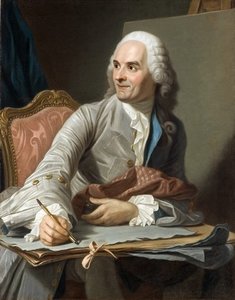
Jean II Restout
1692 - 1768 , France
Quick Facts
- Birth Date: 1692
- Birth Place: Rouen, France
- Death Date: 1768
- Influenced By: Jean Jouvenet
- Movement:
- Late Baroque
- Classicism
- Name: Jean II Restout
- Nationality: French
- Notable Works:
- The Death of St Scholastica
- Pentecost
- Ananias Restoring the Sight of St Paul
Related Articles
Louvre Masterpieces: Explore the Top 25 Artworks for Your Home | ArtsDot
Journey through the Louvre's 25 most iconic artworks! Explore masterpieces by Leonardo da Vinci, Michelangelo & Delacroix. Discover art history, techniques & find museum-quality reproductions for your home at ArtsDot.com.

The Dramatic Flourish: Exploring the Baroque Movement's Enduring Legacy in Art History
Explore the dramatic world of Baroque art! Discover iconic artists like Caravaggio & Rubens, defining techniques, and its lasting impact on art history. Expert insights for collectors & enthusiasts at ArtsDot.

The Visceral Stage: Exploring Dramatic Narratives & Emotional Intensity in Baroque Art
Explore the dramatic world of Baroque art! Discover iconic masters like Caravaggio & Rembrandt, their techniques, and the movement's lasting impact. Expert insights for collectors & enthusiasts at ArtsDot.
The Dramatic Flourish: Exploring Themes of Power, Faith & Emotion in Baroque Artworks
Explore the dramatic world of Baroque art! Discover masters like Zurbarán & the powerful influence of religious zeal on painting techniques. Expert insights for collectors and enthusiasts.

Baroque Masterpieces: 10 Paintings That Defined an Era |
Journey through the drama & grandeur of Baroque art! Explore 10 masterpieces by Caravaggio, Rembrandt, Rubens & more. Discover stunning oil paintings, rich colors & timeless stories. Find museum-quality reproductions at .