

 Preview
 Send
Send Share
Share
 Details

 Download
 Similars
 X-Ray
X-Ray Diaporama
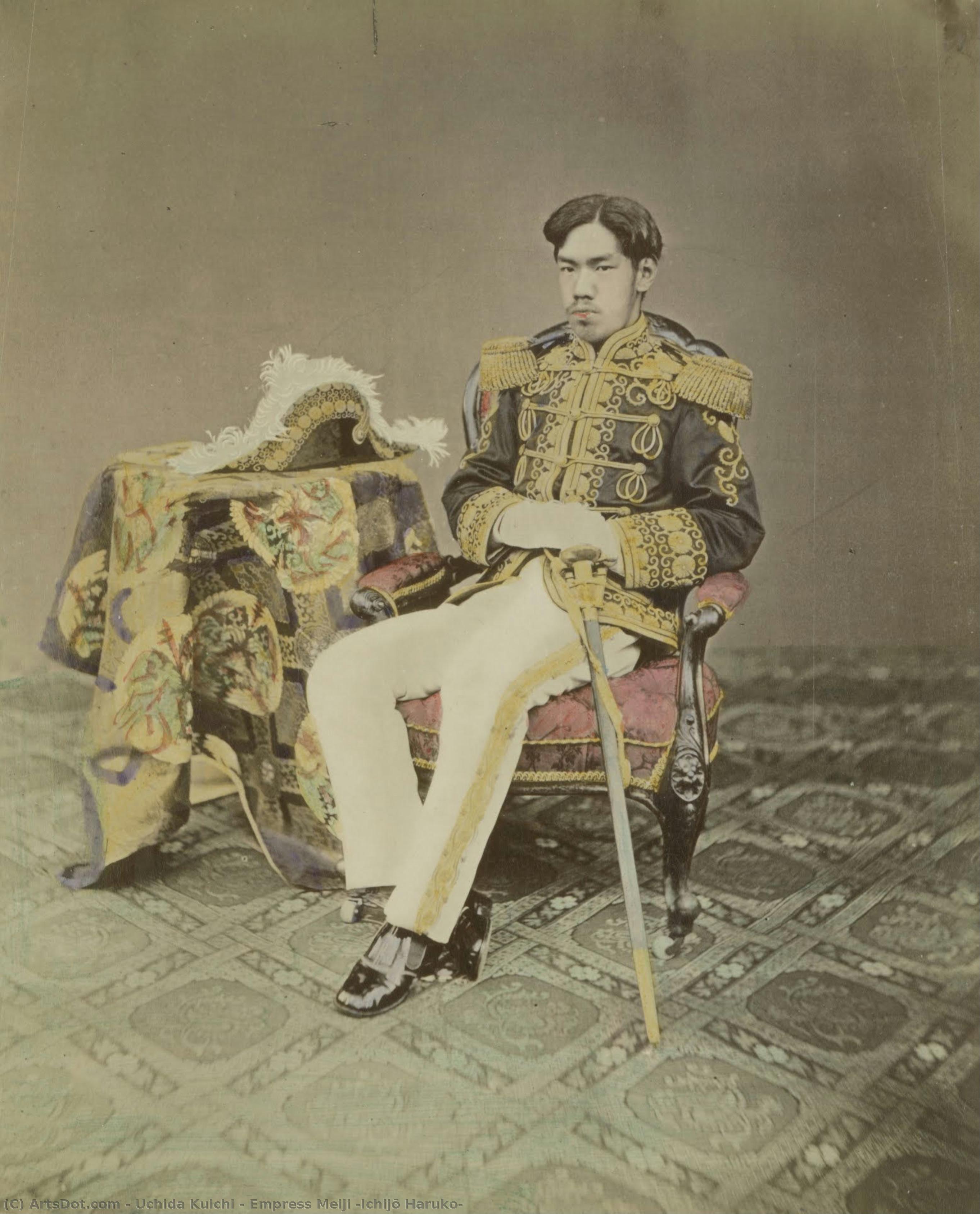
Empress Meiji (Ichijō Haruko)
 1873
1873 24.0 x 20.0 cm
 Read More
Hand Made Oil Reproduction
Hand-painted oil on canvas in your size and frame, made to order by our artists. ( Buy Print Buy Image)




































Pick from our preset sizes that match the artwork's original proportions.

You may enter your own dimensions to fit a specific frame or space. If your selected size does not match the original image's proportions, we will either crop the artwork or extend the painting with additional hand-painted elements. A digital mockup will be sent for your approval before production begins.
Please note that the on-screen preview does not reflect the actual cropping or extension. Only the mockup will accurately show the final composition.
While custom sizes are available, we recommend selecting a dimension from the predefined list to preserve the original proportions.
After order, ArtsDot.com team will email client for instructions and provide a mockup preview
Worldwide Delivery () in 3/4 weeks instead of standard 5 weeks. (18 August). No compromise on quality.

Free Worldwide Express Shipping

High-Quality Linen Canvas

Full Shipping Insurance

Customs Tax Refund Guarantee

True Color Matching Guarantee

60-Day Return Policy (Defects Only)

100% Money-Back Guarantee

Bulk Discount Offer
 Glass option is only available in size under 110 CM

Empress Meiji (Ichijō Haruko)
Reproduction Medium
Reproduction Size
-


Total Price
$ 263
Related Artworks

Artist Biography
Uchida Kuichi: Pioneer of Japanese Portrait Photography
Uchida Kuichi (内田 九一; c. 1844 – February 17, 1875) stands as a singular figure in the annals of nineteenth-century Japanese art—a testament to artistic innovation born from cultural exchange and driven by an unwavering dedication to documenting his era. Born in Nagasaki, Japan, Uchida’s life was tragically curtailed by tuberculosis at just thirty years old, yet his legacy endures through his groundbreaking photographs, particularly those capturing Emperor Meiji, cementing his place as the foremost portrait artist of his time.Early Life and Influences
Uchida’s formative years were marked by hardship—his father succumbed to cholera when he was young, leaving him orphaned at thirteen. Recognizing the importance of education, Matsumoto Jun, a physician who had become Uchida's adoptive father, fostered his burgeoning interest in science and, crucially, photography. This mentorship proved pivotal, introducing Uchida to Johannes Pompe van Meerdervoort, another influential photographer who studied under Ueno Hikoma—a connection that would profoundly shape Uchida’s artistic trajectory. The fascination with Western photographic techniques developed during this period fueled his ambition to master the craft and explore its potential for capturing the essence of Japanese culture.The Rise of Photographic Practice in Japan
Uchida's journey into photography began with a deliberate pursuit of knowledge—he meticulously studied chemistry alongside Pompe van Meerdervoort, gaining invaluable insight into the scientific principles underpinning image creation. Armed with this understanding and bolstered by entrepreneurial spirit, he established his first studio in Osaka in 1865, partnering with Morita Raizo—a collaboration that signaled the burgeoning presence of photographic enterprise within Japan’s rapidly modernizing landscape. Recognizing Yokohama's strategic importance as a gateway to international trade, Uchida swiftly relocated his studio there in 1866, establishing himself as a pioneer in capturing the dynamism of this cosmopolitan port city. By 1869, he moved again to Asakusa, Tokyo—a location that would become synonymous with artistic excellence and solidify his reputation as Japan’s premier portrait photographer.The Emperor Meiji Commission: A Defining Moment
Uchida Kuichi's fame ascended to unparalleled heights when he secured the singular honor of photographing Emperor Meiji—a momentous occasion reflecting Japan’s embrace of Western ideals while preserving its traditions. The Imperial Household Ministry entrusted him with documenting the emperor’s life in both formal court attire and everyday garb, a task that demanded meticulous observation and artistic sensitivity. Uchida's portraits of Meiji and Empress Shoken were not merely representations of royalty; they served as powerful symbols of Japan’s transformation into a modern nation—a visual chronicle of its ambitions and achievements. The official portrait session in 1872 captured the emperor’s solemn gaze amidst the grandeur of Kyūshū, while another image from 1873 showcased him in military dress—a deliberate choice intended to convey strength and resolve. Copies of these portraits circulated widely throughout Japan and internationally, demonstrating their enduring significance as emblems of imperial authority and cultural pride.Legacy and Influence
Despite the prohibition on private sales of the imperial portrait, Uchida Kuichi’s work resonated deeply within Japanese society—inspiring a kabuki play that celebrated his life and artistic accomplishments. His success fueled an opulent lifestyle, culminating in a magnificent estate in Tokyo's Kanda Suruga district. Tragically, Uchida succumbed to tuberculosis in 1875, prematurely ending his remarkable career. However, his photographs continue to captivate audiences today—serving as invaluable documents of Japan’s Meiji era and demonstrating the transformative power of photography as a medium for artistic expression and cultural preservation. Uchida Kuichi's pioneering spirit remains an inspiration to artists striving to capture the complexities of their time, ensuring that his contribution to Japanese art history will endure for generations to come.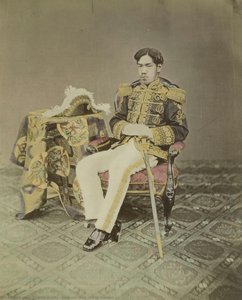
Uchida Kuichi
1875 , Japan
Quick Facts
- Artistic Movement Or Style: Early Japanese photography
- Artists Or Movements Influenced By This Artist: ['Kabuki']
- Artists Who Influenced This Artist:
- J. L. C. Pompe van Meerdervoort
- Ueno Hikoma
- Date Of Death: 1875
- Full Name: uchida kuichi
- Nationality: Japanese
- Notable Artworks: ['Vermilioned Bridge, Nicco']
- Place Of Birth: Nagasaki, Japan

