Menu
FREE ART CONSULTATION

period

movement

vibe

topics

keywords

tone

main color

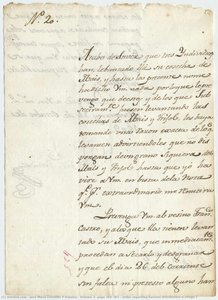
  1. Volume 3, page 566-567 / Order regarding harvest distribution\n\nPage 1 — josé maría estudillo y urquizu, 1809
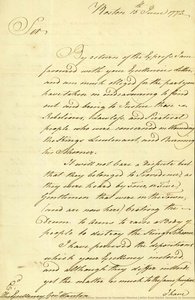
  2. Letter from Darius Sessions to Governor Wanton Letter from Darius Sessions to Governor Wanton, page 1 — darius sessions, 1717-1809
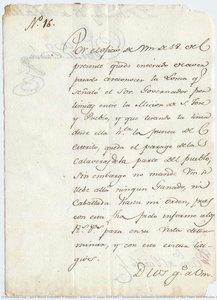
  3. Volume 3, page 664-665 / Boundaries between jurisdictions of the Town and Mission of San Jose\n\nPage 1 — josé maría estudillo y urquizu, 1809
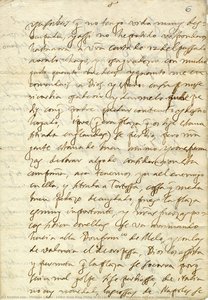
  4. Letter from King Philip IV to Luisa Enríquez Manrique de Lara, Countess of Paredes — Philippe le Bel, 1648
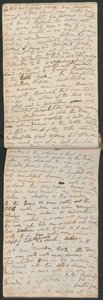
  5. A sweet morning — dorothy mae ann wordsworth
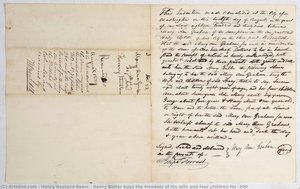
  6. Henry Butler buys the freedom of his wife and four children for $100 — henry roeland byers, 1839
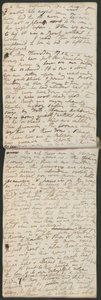
  7. A sunshiny but coldish morning — dorothy mae ann wordsworth
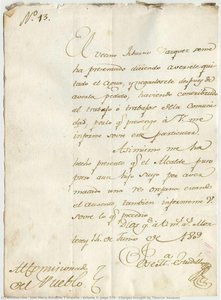
  8. Volume 3, page 576 / Charges brought by Tiburcio Vasquez — josé maría estudillo y urquizu, 1809
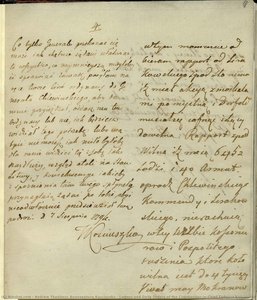
  9. Letters and Daily Orders of the Commander-in-Chief Tadeusz Kościuszko to General Mokronowski — andrew thaddeus bonaventure kosciuszko, 1794
  10. Garden with Flowers — vincent willem van gogh, 1888
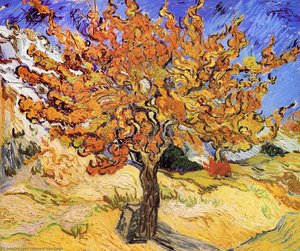
  11. Mulberry Tree (also known as The Mulberry Tree) — vincent willem van gogh, 1889
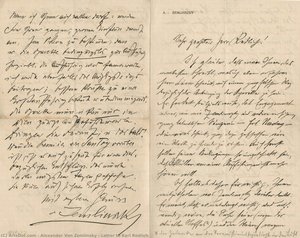
  12. Letter to Karl Redlich — alexander von zemlinsky, 1900
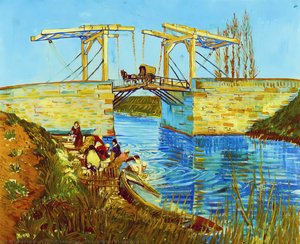
  13. The Langlois Bridge at Arles — vincent willem van gogh, 1888
  14. Orchard in Blossom, Bordered by Cypresses — vincent willem van gogh, 1888
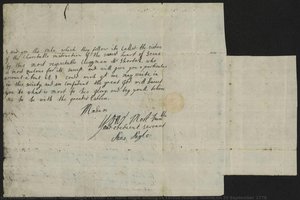
  15. Letter 11: Nano Nagle writing to Teresa Mulally, Dublin on 29 September 1778 — honora (nano) nagle, 1778
  16. Vividly, we took Galich — Kazimir Malevich, 1914
  17. American Neutrality Obverse — karl otto götz, 1915
other

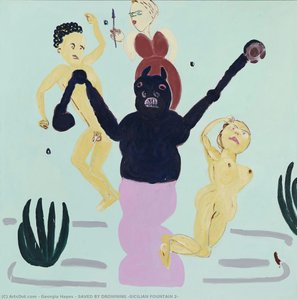
  1. SAVED BY DROWNING (SICILIAN FOUNTAIN 2) — georgia hayes, 2013
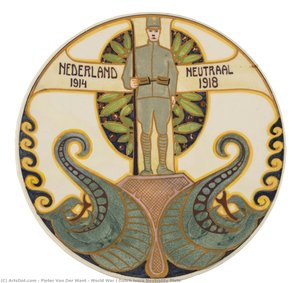
  2. World War I Dutch Ivora Neutrality Plate — pieter van der want, 1918
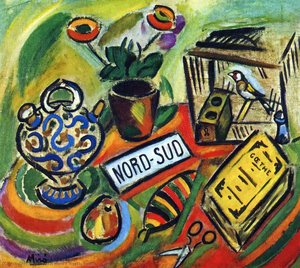
  3. North South — Joan Miró, 1917
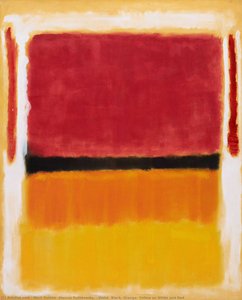
  4. Violet, Black, Orange, Yellow on White and Red — Mark Rothko, 1949
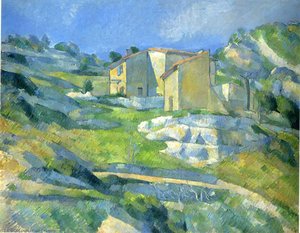
  5. untitled (2295) — Paul Cézanne
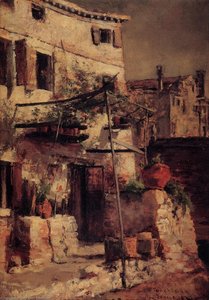
  6. A Venetian Scene — John Henry Twachtman, 1877
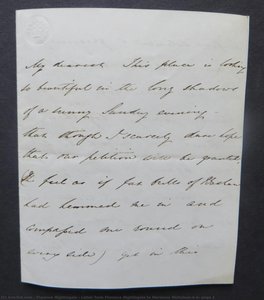
  7. Letter from Florence Nightingale to Marianne Nicholson\n\n- page 1 — Florence Nightingale, 1840