- Home

- Artworks
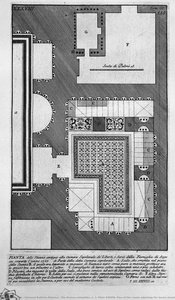
- The Roman antiquities, t. 1, Plate XLV. Plan of upper floor of the Caesars Palace de `d` home `s believed Augustus (Drawing and inc. By Francesco Piranesi)
period
movement
- The Roman antiquities, t. 2, Plate XXI. Urn of marble found in the burial chamber above (figures carved from Barbault).
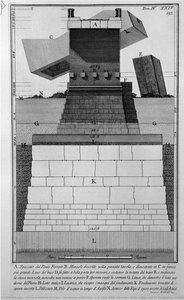
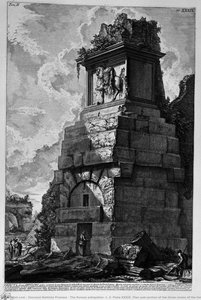
- The Roman antiquities, t. 4, Plate XXIV. Elevation of the bridge and its foundations Cestius.
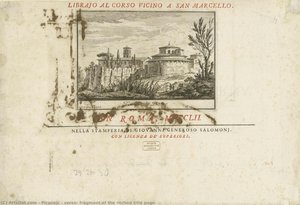
- verso: fragment of the etched title page
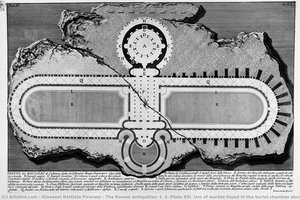
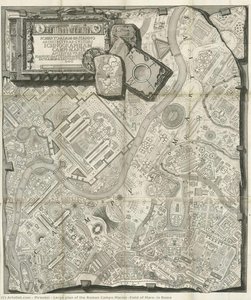
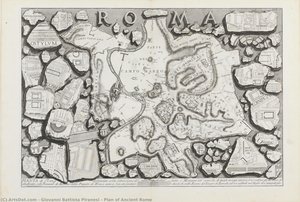
- Large plan of the Roman Campo Marzio (Field of Mars) in Rome
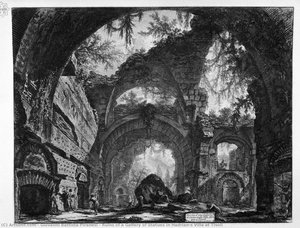
- Ruins of a Gallery of Statues in Hadrian`s Villa at Tivoli
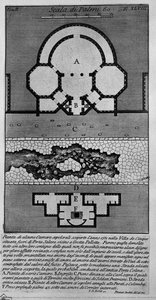
- The Roman antiquities, t. 2, Plate XLVIII. Plan of some burial chambers discovered the year 1751 in the Villa of the five located outside Porta Salaria near Grotta Pallotta.
- The Roman antiquities, t. 2, Plate XXXIX. Plan and section of the three rooms of the family of Augustus believed burial.
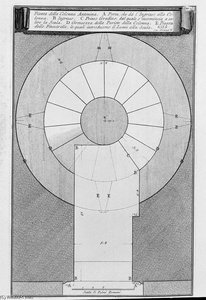
- Map of the Antonine column
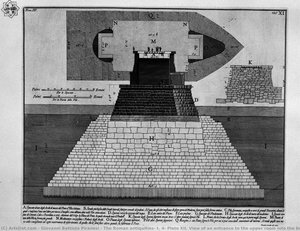
- The Roman antiquities, t. 4, Plate XII. View of an entrance to the upper room into the boulder burial d`Elio Adriano.
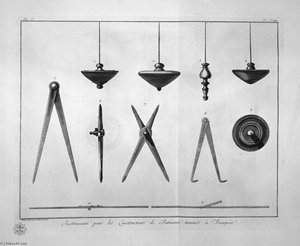
- Tools of builder
vibe
topics
- verso: fragment of the etched title page
- The Roman antiquities, t. 4, Plate XXIV. Elevation of the bridge and its foundations Cestius.
- Large plan of the Roman Campo Marzio (Field of Mars) in Rome
- The Roman antiquities, t. 2, Plate XLVIII. Plan of some burial chambers discovered the year 1751 in the Villa of the five located outside Porta Salaria near Grotta Pallotta.
- The Roman antiquities, t. 4, Plate XII. View of an entrance to the upper room into the boulder burial d`Elio Adriano.
keywords
tone
main color
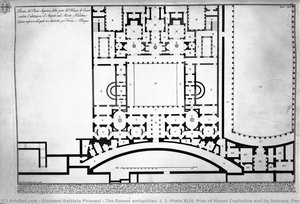
- The Roman antiquities, t. 1, Plate XLIV. Plan of Mount Capitoline and its fortress; Perspective of the two horns or stones that stood in the sides of the Capitoline
- The Roman antiquities, t. 1, Plate XL
- Ruins of a Gallery of Statues in Hadrian`s Villa at Tivoli
- Plan of Ancient Rome
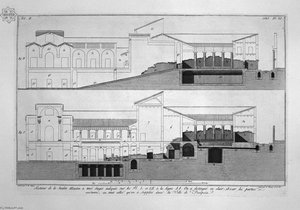
- Section of the house
- Plan of Rome and Campo Marzio
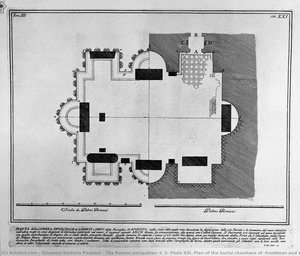
- The Roman antiquities, t. 3, Plate XXI. Plan of the burial chambers of `freedmen and servants of the family of Augustus, situated on the Appian Way a mile from the Port of St. Sebastiano.
- Scenic view of the aforementioned kitchen
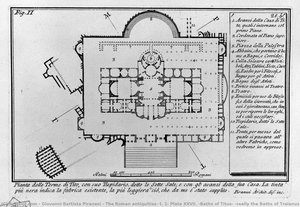
- The Roman antiquities, t. 1, Plate XXVII. "Baths of Titus" (really the Baths of Traianus).
- The Roman antiquities, t. 2, Plate XLVIII. Plan of some burial chambers discovered the year 1751 in the Villa of the five located outside Porta Salaria near Grotta Pallotta.
- Large plan of the Roman Campo Marzio (Field of Mars) in Rome
- The Roman antiquities, t. 4, Plate XXIV. Elevation of the bridge and its foundations Cestius.
- The Roman antiquities, t. 2, Plate XXI. Urn of marble found in the burial chamber above (figures carved from Barbault).
- Map of the Antonine column
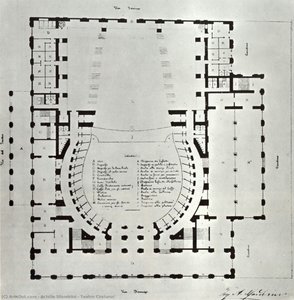
- Teatro Costanzi
other
- The Roman antiquities, t. 3, Plate XXXVIII. Plan of the rooms adjoining the burial chambers above.
- The Roman antiquities, t. 1, Plate XXXV
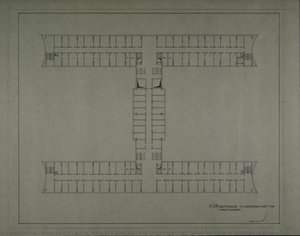
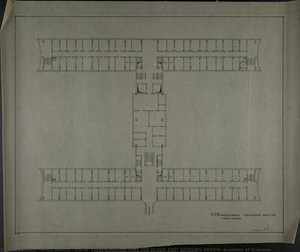
- A.D.W. MAIN BUILDING 2ND-4TH TOP FLOORS 1RST WORKING DESIGN (Academy of Sciences)
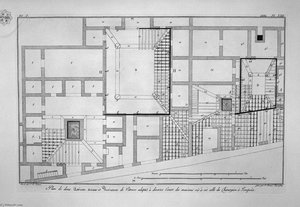
- Second floor plan of the three-story house
- A.D.W. MAIN BUILDING 1RST TOP FLOOR 1RST WORKING DESIGN (Academy of Sciences)