Menu
FREE ART CONSULTATION

period

movement

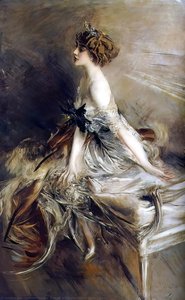
  1. Portrait of Princess Marthe-Lucile Bibesco — Giovanni Boldini, 1911

vibe

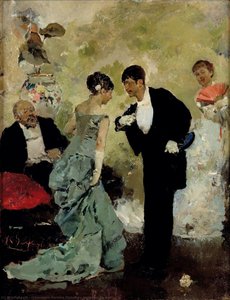
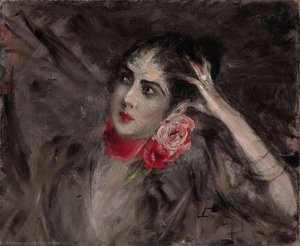
  1. Princes Radziwill with Red Ribbon — Giovanni Boldini, 1904
  2. Portrait of Princess Marthe-Lucile Bibesco — Giovanni Boldini, 1911
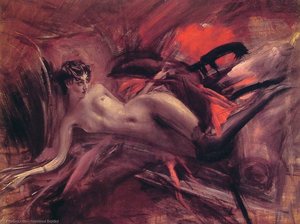
  3. Reclining Nude — Giovanni Boldini, 1930
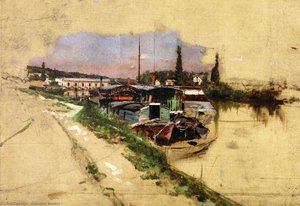
  4. The Machine at Marly (also known as The Seine at Bougivel) — Giovanni Boldini, 1876
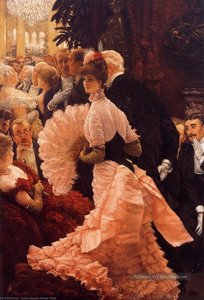
  5. A Woman of Ambition — jacques joseph tissot, 1883
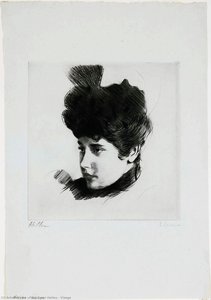
  6. Visage — Paul César Helleu

topics

keywords

tone

  1. Princes Radziwill with Red Ribbon — Giovanni Boldini, 1904
  2. Invitation to waltz — Columbano Bordalo Pinheiro, 1882
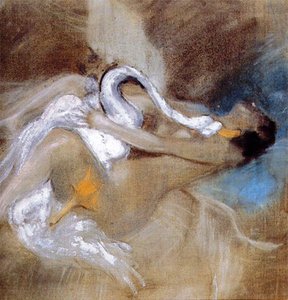
  3. Leda with Swan — Giovanni Boldini

main color

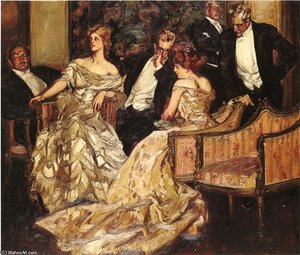
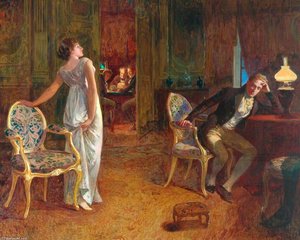
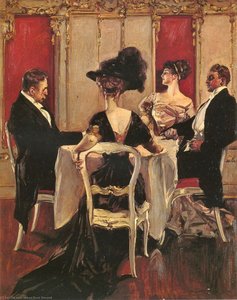
  1. Three Is A Crowd — albert beck wenzell
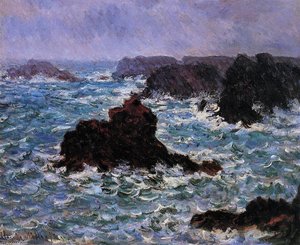
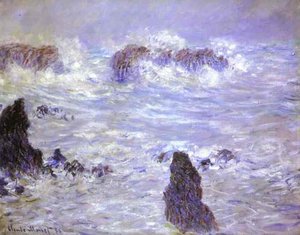
  2. Belle-Ile, Rain Effect — Claude Monet, 1886
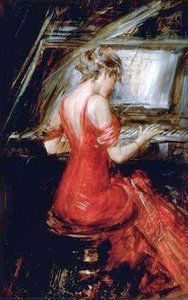
  3. The Woman in Red — Giovanni Boldini
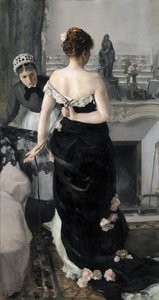
  4. A Woman of Ambition — jacques joseph tissot, 1883
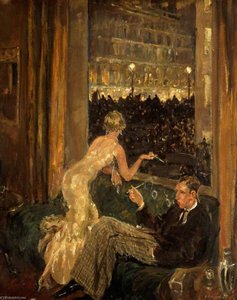
  5. The Arrival of the Jarrow Marchers in London, Viewed from an Interior — Thomas Cantrell Dugdale, 1936
  6. Portrait of Princess Marthe-Lucile Bibesco — Giovanni Boldini, 1911
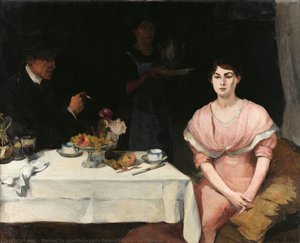
  7. Le Déjeuner — manuel de azambuja leite pereira jardim, 1911
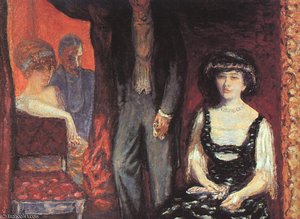
  8. The Loge, oil on canvas, Musée d'Orsay at Pari — Pierre Bonnard, 1908
  9. The Tiff — henry gillard glindoni
  10. Invitation to waltz — Columbano Bordalo Pinheiro, 1882
  11. Princes Radziwill with Red Ribbon — Giovanni Boldini, 1904
  12. Retour du bal — Alfred Philippe Roll
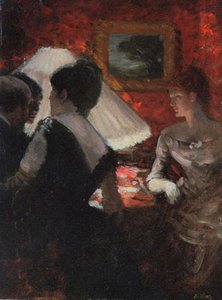
  13. Around the Shade — Giuseppe De Nittis, 1880
  14. Reclining Nude — Giovanni Boldini, 1930
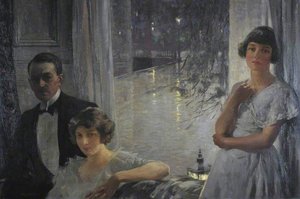
  15. Stanley Cursiter (1887–1976), Artist, Self Portrait, Director of the National Galleries of Scotland, with his Wife Phyllis Eda Hourston, and his Model, Poppy Low, Chez Nous — Stanley Cursiter, 1925
  16. The Machine at Marly (also known as The Seine at Bougivel) — Giovanni Boldini, 1876
  17. The Look — Jean Louis Forain, 1892

other

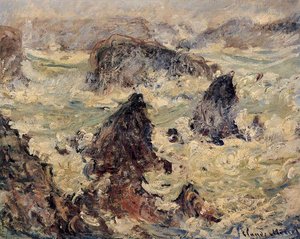
  1. Storm on the Cote de Belle-Ile — Claude Monet, 1886
  2. Storm, Coast at Belle-Ile — Claude Monet
  3. Idle Conversation - — albert beck wenzell
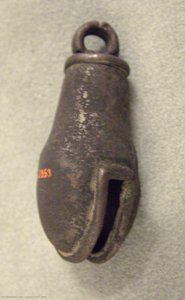
  4. Bell — aztec empire, 1521
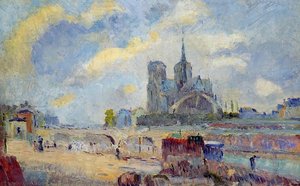
  5. Notre-Dame de Paris and the Bridge of the Archeveche — Albert-Charles Lebourg