- Home

- Artworks
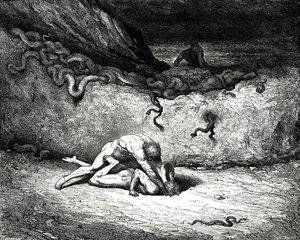
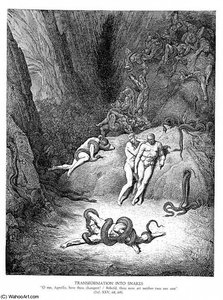
- The Inferno, Canto 25, lines 59-61. The other two Look’d on exclaiming. “Ah, how dost thou change, Agnello!”
period
movement
- Dante tropieza con Bocca degli Abbati
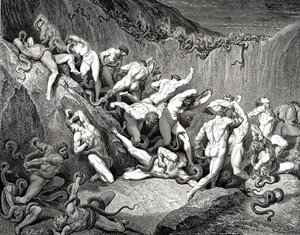
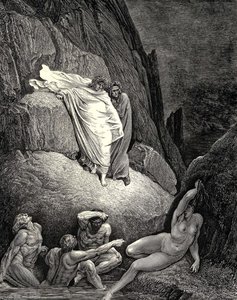
- The Inferno, Canto 24, lines 89-92. Amid this dread exuberance of woe Ran naked spirits wing’d with horrid fear, Nor hope had they of crevice where to hide, Or heliotrope to charm them out of view.
- untitled (9864)
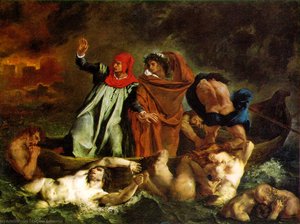
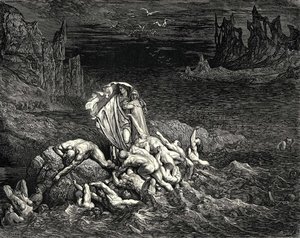
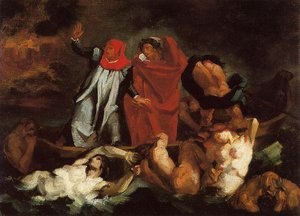
- La barca di Dante. .
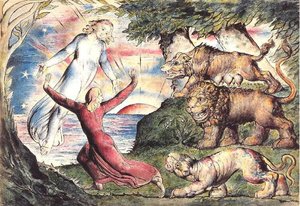
- Inferno, Canto I, 1-90 Dante running from three beasts is rescued by Virgil
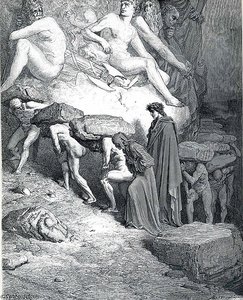
- The Inferno, Canto 7, lines 118-119. 'Now seest thou, son! The souls of those, whom anger overcame.'
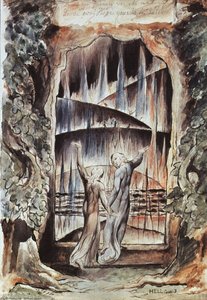
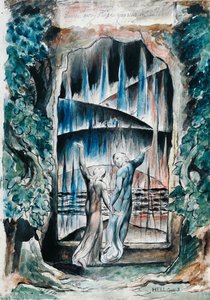
- Dante and Virgil at the Gates of Hell
- Dante conversando con Farinata Degli Uberti
- Dante and Virgil at the Gates of Hell (Illustration to Dante's Inferno)
- The Inferno, Canto 30, lines 33-34. “That sprite of air is Schicchi; in like mood Of random mischief vent he still his spite.”
- The Barque of Dante (after Delacroix)
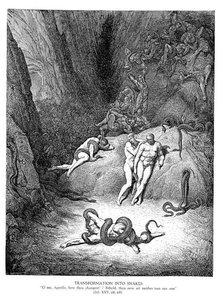
- Transformation into Snakes
- Transformation into Snakes
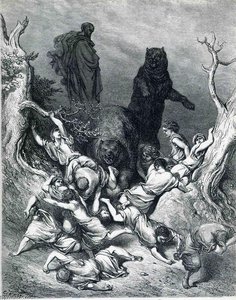
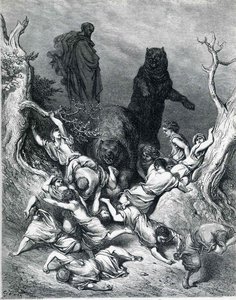
- The Children Destroyed by Bears
- The Inferno, Canto 18, lines 130-132. Thais is this, the harlot, whose false lip Answer’d her doting paramour that ask’d, ‘Thankest me much!’
- The Children Destroyed By Bears
vibe
- Dante tropieza con Bocca degli Abbati
- The Inferno, Canto 24, lines 89-92. Amid this dread exuberance of woe Ran naked spirits wing’d with horrid fear, Nor hope had they of crevice where to hide, Or heliotrope to charm them out of view.
- untitled (9864)
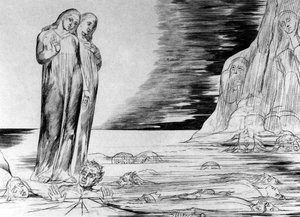
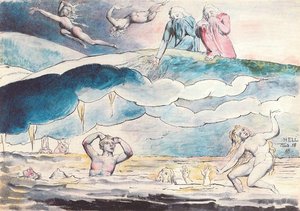
- Dante y Virgilio observan la fosa de los Aduladores
- The Inferno, Canto 7, lines 118-119. 'Now seest thou, son! The souls of those, whom anger overcame.'
- Dante conversando con Farinata Degli Uberti
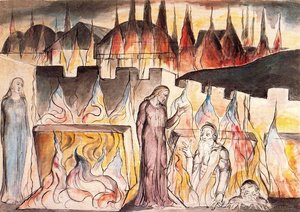
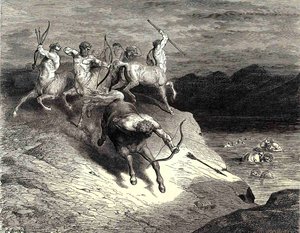
- The Inferno, Canto 12
- The Barque of Dante (after Delacroix)
- Transformation into Snakes
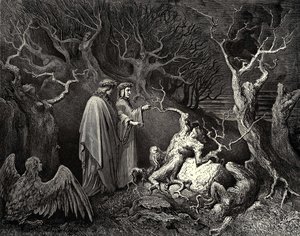
- The Inferno, Canto 13
- Transformation into Snakes
- untitled (2073)
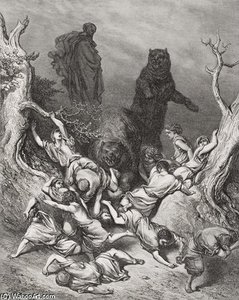
- The Children Destroyed By Bears
topics
- The Inferno, Canto 24, lines 89-92. Amid this dread exuberance of woe Ran naked spirits wing’d with horrid fear, Nor hope had they of crevice where to hide, Or heliotrope to charm them out of view.
- Dante and Virgil at the Gates of Hell
- Dante and Virgil at the Gates of Hell (Illustration to Dante's Inferno)
keywords
tone
- Dante tropieza con Bocca degli Abbati
- The Inferno, Canto 24, lines 89-92. Amid this dread exuberance of woe Ran naked spirits wing’d with horrid fear, Nor hope had they of crevice where to hide, Or heliotrope to charm them out of view.
- untitled (9864)
- La barca di Dante. .
- Inferno, Canto I, 1-90 Dante running from three beasts is rescued by Virgil
- The Inferno, Canto 7, lines 118-119. 'Now seest thou, son! The souls of those, whom anger overcame.'
- The Inferno, Canto 12
- Transformation into Snakes
- Transformation into Snakes
- untitled (2073)
- The Children Destroyed By Bears
main color
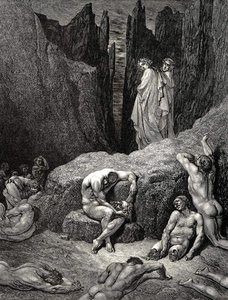
- The Inferno, Canto 29, lines 4-6. But Virgil rous’d me. “What yet gazest on. Wherefore doth fasten yet thy sight below Among the maim’d and miserable shades
- untitled (9864)
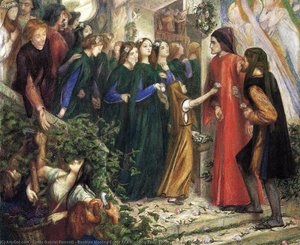
- Beatrice Meeting Dante At A Wedding Feast Denies Him Her Salutation
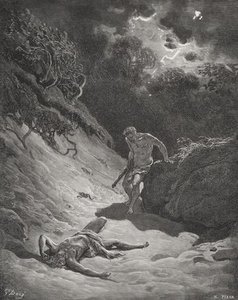
- The Death Of Abel
- The Inferno, Canto 13
- Transformation into Snakes
- Dante conversando con Farinata Degli Uberti
- Dante and Virgil at the Gates of Hell (Illustration to Dante's Inferno)
- Transformation into Snakes
- The Inferno, Canto 12
- The Children Destroyed by Bears
- The Barque of Dante (after Delacroix)
- untitled (2073)
- The Children Destroyed By Bears
- The Inferno, Canto 7, lines 118-119. 'Now seest thou, son! The souls of those, whom anger overcame.'
- Dante tropieza con Bocca degli Abbati
- Inferno, Canto I, 1-90 Dante running from three beasts is rescued by Virgil
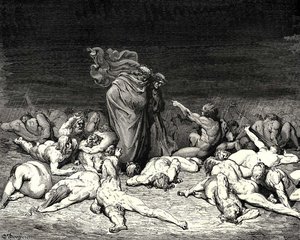
- Thy city heapd with envy to the brim held me in brighter days. Ye citizens were wont to name me Ciacco
- The Inferno, Canto 18, lines 130-132. Thais is this, the harlot, whose false lip Answer’d her doting paramour that ask’d, ‘Thankest me much!’
- The Inferno, Canto 30, lines 33-34. “That sprite of air is Schicchi; in like mood Of random mischief vent he still his spite.”
- La barca di Dante. .
- Dante and Virgil at the Gates of Hell
- The Inferno, Canto 24, lines 89-92. Amid this dread exuberance of woe Ran naked spirits wing’d with horrid fear, Nor hope had they of crevice where to hide, Or heliotrope to charm them out of view.