 Preview
 Send
Send Share
Share
 Details

 Download
 Similars
 X-Ray
X-Ray Diaporama
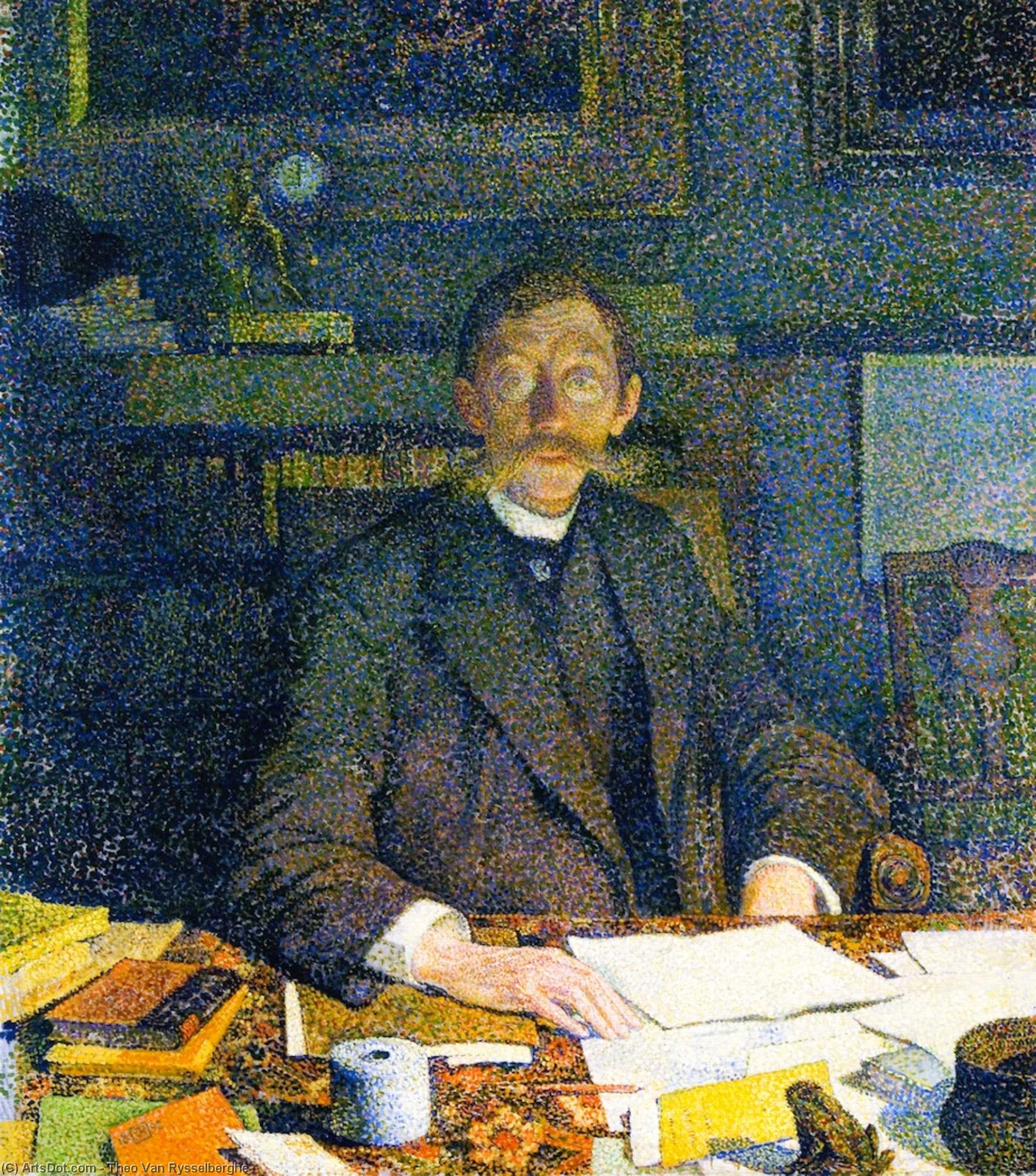
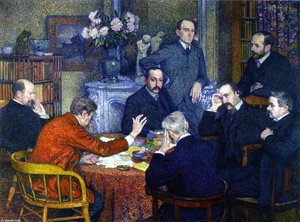
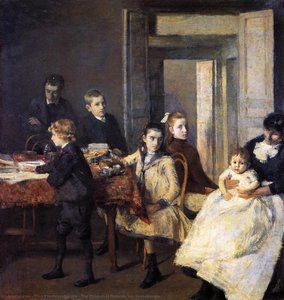
Emile Verhaeren in His Stody (rue du Moulin)


 Read More
Hand Made Oil Reproduction
Hand-painted oil on canvas in your size and frame, made to order by our artists. ( Buy Print Buy Image)




P118B $10

P118H $10

P118W $10

P438Z $10

P508JH $12

P508YH $12

P805H $10

P805Z $10

P919BZ $10

P919G $10

P919XJ $10

P959ZH $10

P968JZ $12

W106C $8

W218G $10

W218JH $8

W218Y $10

W307PJ $10

W316G $10

W316PJ $8

W316Y $10

W398PJ $8

W4111J $10

W500HY $15

W500JH $15

W692G $12

W849H $8

W940BG $15

W953PJ $8




Pick from our preset sizes that match the artwork's original proportions.

You may enter your own dimensions to fit a specific frame or space. If your selected size does not match the original image's proportions, we will either crop the artwork or extend the painting with additional hand-painted elements. A digital mockup will be sent for your approval before production begins.
Please note that the on-screen preview does not reflect the actual cropping or extension. Only the mockup will accurately show the final composition.
While custom sizes are available, we recommend selecting a dimension from the predefined list to preserve the original proportions.
After order, ArtsDot.com team will email client for instructions and provide a mockup preview
Worldwide Delivery () in 3/4 weeks instead of standard 5 weeks. (17 August). No compromise on quality.

Free Worldwide Express Shipping

High-Quality Linen Canvas

Full Shipping Insurance

Customs Tax Refund Guarantee

True Color Matching Guarantee

60-Day Return Policy (Defects Only)

100% Money-Back Guarantee

Bulk Discount Offer
 Glass option is only available in size under 110 CM

Emile Verhaeren in His Stody (rue du Moulin)
Reproduction Medium
Reproduction Size
-


Total Price
$ 263
Artwork Description
The Quiet Intensity of Creative Life
To stand before Theo Van Rysselberghe's depiction of Emile Verhaeren in His Study is to step across the threshold into a world steeped in intellectual fervor and quiet contemplation. This painting, executed in 1892, transcends a mere portrait; it is an immersion into the very atmosphere surrounding a creative mind at work. The scene unfolds with a palpable sense of natural light filtering into the room, illuminating not just the poet, but the delicate interplay between thought and tangible reality. Verhaeren sits amidst his tools—the scattered books, the papers upon the desk—suggesting a life lived in constant dialogue with language and profound ideas. It is a moment captured, suspended in time, where the weight of genius seems both comforting and consuming.
A Masterclass in Post-Impressionistic Light
Technically, the work serves as a beautiful testament to Van Rysselberghe's mastery of color and light, hallmarks of his evolving style. While rooted in the academic traditions of Ghent, the painting pulses with the emotional resonance characteristic of Post-Impressionism. Observe how the muted tones are handled; they do not suggest dullness, but rather a deep, internalized calm. Van Rysselberghe employs soft brushstrokes that build an atmosphere of serene intimacy. The light itself becomes a character in the piece, highlighting the contours of Verhaeren's features and lending a warm glow to the study’s corners. This careful modulation of illumination draws the viewer deeper into the narrative, inviting them to decipher the poet's thoughts.
Symbolism of the Scholar's Sanctuary
The setting itself is rich with symbolism. The abundance of books and papers surrounding Emile Verhaeren speaks volumes about the power of accumulated knowledge and the relentless pursuit of expression. The study functions as a sanctuary, a carefully curated space where the external chaos of the world dissolves into the focused intensity of creation. Even the inclusion of everyday objects—the chairs arranged thoughtfully, the clock ticking silently in the background—are imbued with meaning. They ground the lofty subject matter in relatable human experience, suggesting that even the most profound artistic breakthroughs are built upon routine, dedication, and the passage of measured time.
Bringing the Atmosphere Home
For those who seek to replicate this sophisticated ambiance within their own walls, a high-quality reproduction of this piece offers more than just decoration; it offers an emotional anchor. It invites the quietude of the study into a modern living space, transforming a corner into a place for reflection. The depth and complexity achieved by Van Rysselberghe—the intricate textures juxtaposed with the soft washes of color—ensure that the artwork remains engaging whether viewed up close or from across a room. Owning this piece is to curate an environment steeped in artistic history and intellectual grace.
Related Artworks
Artist Biography
A Pioneer of Light: The Life and Art of Théo van Rysselberghe
Théophile “Théo” van Rysselberghe, born in Ghent, Belgium, in 1862, emerged as a pivotal figure bridging the gap between Impressionism and Neo-Impressionism. His journey wasn’t one of immediate stylistic conviction but rather an evolving exploration sparked by travel, intellectual exchange, and a relentless pursuit of capturing light's essence. Coming from a comfortably bourgeois French-speaking family, van Rysselberghe received his initial artistic training at the Academy of Ghent under Theo Canneel, followed by studies at the prestigious Académie Royale des Beaux-Arts in Brussels. These formative years instilled in him a foundation rooted in traditional realism, evident in early works like *Self-Portrait with Pipe* (1880), characterized by somber tones and meticulous detail—a reflection of the prevailing Belgian artistic climate. However, even within these early pieces, hints of a burgeoning sensitivity to light and color began to surface, foreshadowing his future trajectory. A pivotal work from this period, *Child in an Open Spot of the Forest* (1880), marked a subtle departure, hinting at the brighter palette and looser brushwork that would define his later style.Moroccan Impressions and the Birth of Les XX
A transformative chapter unfolded with van Rysselberghe’s voyages to Morocco between 1882 and 1888. These extended sojourns immersed him in a world of vibrant colors, intense sunlight, and exotic landscapes—a stark contrast to the subdued tones of his earlier work. Paintings like *Arabian Street Cobbler* (1882), *Arabian Boy* (1882), and *Resting Guard* (1883) demonstrate a growing fascination with capturing the effects of light on form, moving away from strict realism towards a more impressionistic sensibility. The Moroccan experience wasn’t merely about visual observation; it was an immersion into a different culture that broadened his artistic horizons and instilled a lifelong love for travel. Upon returning to Brussels, van Rysselberghe became a driving force in the Belgian art scene, co-founding the influential group *Les XX* (The Twenty) in 1883 alongside Octave Maus and Émile Verhaeren. This collective served as a platform for showcasing avant-garde art, introducing new movements like Impressionism and Symbolism to a Belgian audience largely unfamiliar with such innovations. *Arabian Phantasia* (1884), a large-scale exotic painting, became his most celebrated work from this period, demonstrating his mastery of light and composition.Embracing Neo-Impressionism: A Scientific Approach to Color
The true turning point in van Rysselberghe’s artistic development arrived with his encounter with Georges Seurat's *A Sunday on La Grande Jatte* at the eighth Impressionist exhibition in Paris in 1886. Initially skeptical of Seurat’s meticulous “pointillist” technique—the systematic application of tiny dots of pure color—van Rysselberghe gradually came to appreciate its scientific basis and potential for achieving luminous effects. He began experimenting with divisionism, the Neo-Impressionist method of separating colors into their constituent parts and allowing the viewer’s eye to blend them optically. This wasn't simply a technical shift; it represented a fundamental change in his approach to painting—a move towards a more analytical and objective representation of light and color. He forged close friendships with other Neo-Impressionist painters like Paul Signac, traveling with him along the French Riviera and exchanging ideas about technique and theory. Van Rysselberghe distinguished himself within the movement by applying pointillism not only to landscapes but also to portraiture, creating strikingly vibrant and psychologically insightful likenesses of his family and friends—works such as *Madame Charles Maus* (1890) are prime examples.Beyond Pointillism: A Lasting Legacy
While deeply committed to Neo-Impressionism for a significant period, van Rysselberghe eventually moved beyond its strict tenets in the late 1890s. He sought greater freedom in his brushwork and compositions, exploring new ways to express emotion and atmosphere. He continued to be a prolific artist, working in various media including furniture design, book illustration, and decorative arts. His influence extended far beyond Belgium, impacting artists like Piet Mondrian and Jan Toorop who were inspired by his innovative use of color and light. Van Rysselberghe’s legacy lies not only in his beautiful paintings but also in his role as a catalyst for artistic change—a champion of modernism who helped introduce new ideas and techniques to the Belgian art world. His works are now held in prominent museum collections worldwide, including the Musée du Luxembourg in Paris and the Museum voor Schone Kunsten in Ghent, ensuring that his contribution to the history of art continues to be celebrated and appreciated by generations to come. His dedication to exploring the interplay of light, color, and form cemented his place as a true pioneer of modern painting.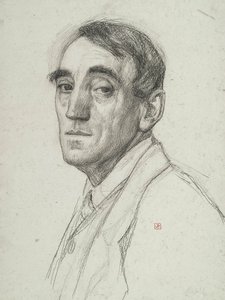
Theo van Rysselberghe
1862 - 1926 , Belgium
Quick Facts
- Artistic Movement Or Style: Neo-Impressionism
- Artists Or Movements Influenced By This Artist:
- Neo-Impressionism
- Piet Mondrian
- Jan Toorop
- Artists Who Influenced This Artist:
- Jean-François Portaels
- Georges Seurat
- Paul Signac
- Date Of Birth: November 23, 1862
- Date Of Death: December 13, 1926
- Full Name: Théo van Rysselberghe
- Nationality: Belgian
- Notable Artworks:
- Arabian Phantasia
- Spanish Woman
- Sevillan Woman
- Place Of Birth: Ghent, Belgium
Related Articles
Beyond Light & Color: Impressionism vs. Post-Impressionism for the Discerning Collector
Explore the nuances of Impressionism & Post-Impressionism with . Expert insights for collectors on style, investment, and acquiring museum-quality reproductions.

The Enduring Legacy of Oil on Canvas: Technique, History & Aesthetic Impact
Explore the rich history & techniques of oil painting – from Renaissance masters to Impressionism. Discover pigments, layering methods, and why this timeless medium endures. Expert insights for artists & art enthusiasts.

Cézanne's Masterpieces: 25 Iconic Artworks to Transform Your Space
Journey through 25 iconic artworks by Paul Cézanne – a master of Impressionism and Post-Impressionism. Explore his landscapes, still lifes, and the stories behind these timeless masterpieces. Discover museum-quality reproductions & curated decor at ArtsDot.com.
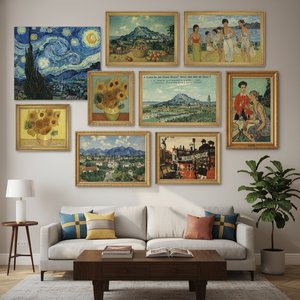
Post-Impressionism's 10 Defining Masterpieces: Art for Your Home |
Journey through Post-Impressionism's 10 defining masterpieces – Van Gogh, Monet & more. Explore iconic paintings, art history & find museum-quality reproductions for your home at . Discover all masterpieces online!
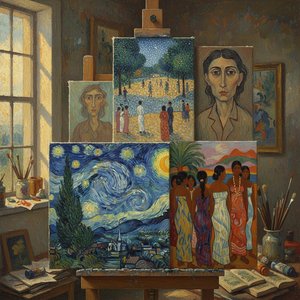
Beyond Impressionism: Exploring the Emotional Depth of Post-Impressionist Painting
Explore the profound emotional depth & innovative techniques of Post-Impressionism with ArtsDot. Discover Cézanne, Van Gogh, Gauguin & more – and their lasting impact on modern art.

![Self Portrait with Pipe [sketch]](/media/artworks/images/thumbnails/fa/3e/fa3e656f3338498783e942584161e235.jpg)