The Golden Age: Defining the High Renaissance Spirit
To step into the era of the High Renaissance is to enter a moment in human history where the boundaries between the earthly and the divine seemed to dissolve. This was not merely a period of aesthetic refinement, but a profound cultural awakening driven by the philosophy of Humanism—a movement that placed human potential, dignity, and reason at the center of the universe. In the vibrant streets of Florence and the papal halls of Rome, artists ceased to be mere craftsmen and emerged as intellectuals, scholars, and visionaries. The air was thick with a new understanding of perspective, anatomy, and the mathematical harmony of nature, creating a visual language that remains the gold standard for beauty in the Western canon.
This golden age was characterized by a pursuit of perfection. It was an era where the chaotic textures of the Early Renaissance gave way to a balanced, monumental stability. Artists sought to capture not just the outward appearance of their subjects, but their internal soul and the very essence of movement. Through the mastery of light and the careful orchestration of composition, the masters of this period achieved a sense of equilibrium that feels both incredibly lifelike and transcendentally ideal. It is this delicate tension between reality and the sublime that continues to captivate collectors and art enthusiasts today.
Leonardo da Vinci: The Enigmatic Visionary of Light and Shadow
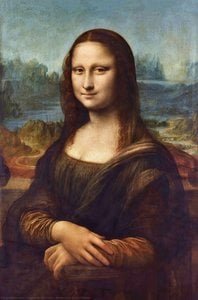
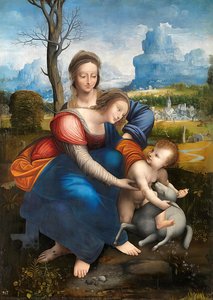
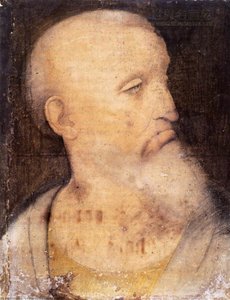
At the heart of this intellectual revolution stood Leonardo da Vinci, a man whose mind seemed to inhabit several centuries at once. To study Leonardo is to witness the birth of sfumato, that breathtaking technique of "smoky" transitions where edges dissolve into soft, atmospheric shadows. He did not merely paint figures; he breathed life into them by understanding the science of how light interacts with skin, hair, and the distant horizon. In his hands, the portrait became a psychological landscape, inviting the viewer to wonder about the fleeting thoughts behind a mysterious smile.
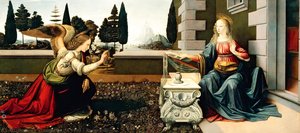
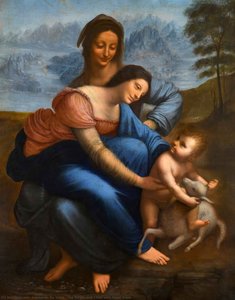
Leonardo’s genius lay in his refusal to see boundaries between disciplines. His anatomical sketches were as much works of art as his oil paintings, driven by an insatiable curiosity to map the mechanics of the human form. This scientific rigor allowed him to create compositions that felt organically unified, where every muscle and shadow served a greater narrative purpose. While his completed works may be few, their impact is immeasurable, leaving us with a legacy of mystery and a profound sense of wonder at the infinite complexity of the natural world.
Michelangelo Buonarroti: The Divine Sculptor of Human Emotion
If Leonardo was the master of atmosphere, Michelangelo Buonarroti was the master of terribilità—that overwhelming sense of awe and emotional intensity that strikes the viewer. For Michelangelo, the human body was the ultimate vessel for divine expression. He viewed sculpture as a process of liberation, believing that the figure already existed within the stone, waiting to be released by the artist's chisel. His works, from the muscular tension of David to the agonizing grace of the Pietà, possess a monumental scale and a physical presence that command the very space they inhabit.
Even when he turned to the medium of fresco, Michelangelo’s approach remained sculptural. The figures on the ceiling of the Sistine Chapel are not merely painted; they are carved from color, possessing a weight and anatomical precision that defy the flatness of the surface. His art captures the struggle of the human spirit—the tension between physical frailty and spiritual aspiration. To behold a Michelangelo masterpiece is to feel the pulse of human suffering and triumph, rendered in a language of powerful musculature and dramatic, swirling movement.
Raphael Sanzio: The Master of Harmony and Graceful Composition
In the shadow of these two giants, Raphael Sanzio emerged to create a third pillar of the Renaissance, offering a vision of unparalleled clarity and grace. While Leonardo explored mystery and Michelangelo explored struggle, Raphael mastered harmony. His work represents the pinnacle of High Renaissance balance, where every figure, gesture, and architectural element is placed with such mathematical precision that the eye moves through the composition with effortless ease. He possessed an uncanny ability to synthesize the innovations of his predecessors into a style that felt both fresh and timeless.
Raphael’s compositions, such as his celebrated depictions of saints and his grand historical frescoes, are characterized by a luminous clarity and a sweetness of expression. There is no jarring discord in a Raphael painting; instead, there is a rhythmic flow of color and form that evokes a sense of peace and divine order. His ability to render the human form with both ideal beauty and approachable warmth made him the most sought-after painter of his age, establishing a standard of classical elegance that would influence generations of artists and decorators alike.
A Comparative Study: Divergent Techniques, Shared Ambition
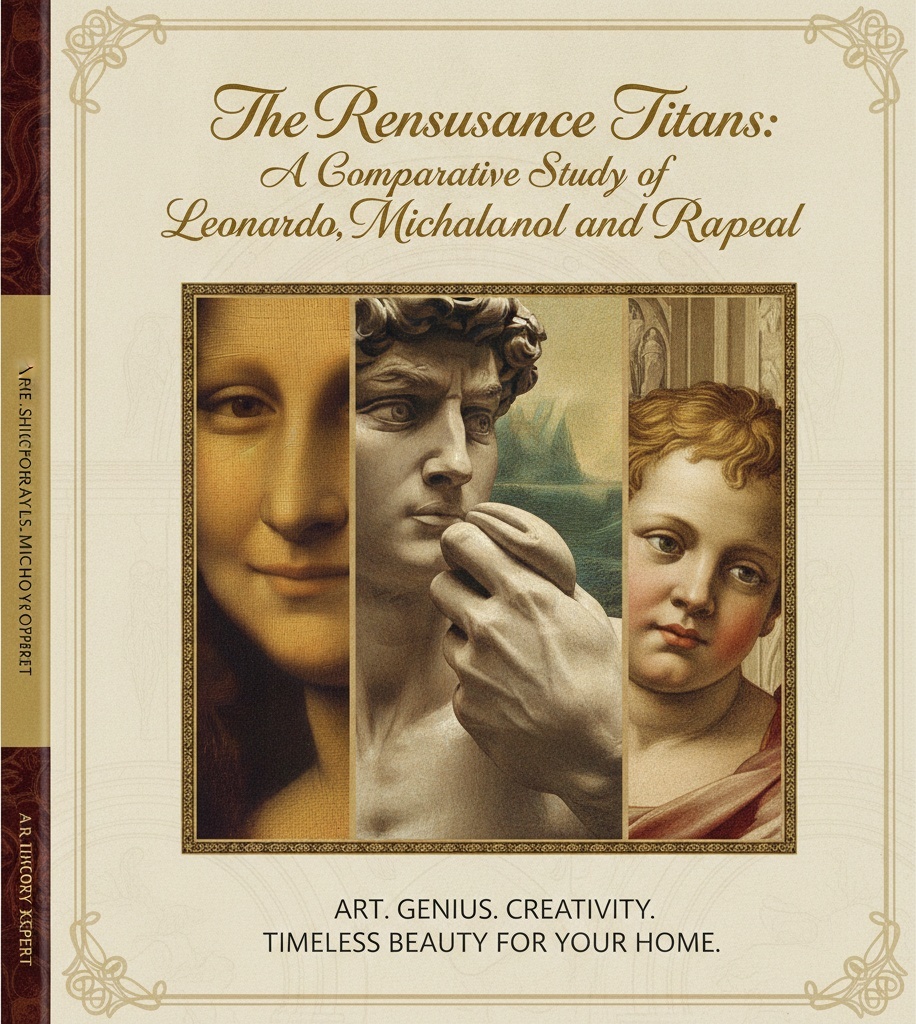
Comparing these three titans reveals a fascinating spectrum of artistic intent. We see Leonardo using shadow to create depth and ambiguity; Michelangelo using form to express power and struggle; and Raphael using clarity to achieve perfection. Their techniques—sfumato, sculptural fresco, and harmonious composition—were vastly different tools used to navigate the same fundamental goal: the pursuit of truth through beauty. They were united by a shared ambition to elevate the status of the artist and to reflect the profound dignity of the human experience.
Despite their divergent paths, all three masters relied on a deep understanding of the natural world. Whether it was Leonardo’s atmospheric perspective, Michelangelo’s anatomical accuracy, or Raphael’s geometric balance, their work was rooted in an observation of reality that was then elevated through artistic intellect. This intersection of science and soul is what defines the High Renaissance, creating a legacy where technical mastery serves as a bridge to the eternal.
Bringing the Renaissance Home: Curating Timeless Masterpieces
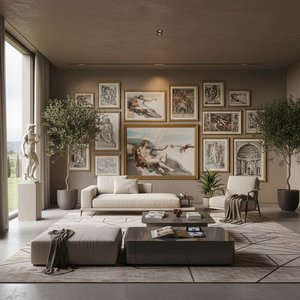
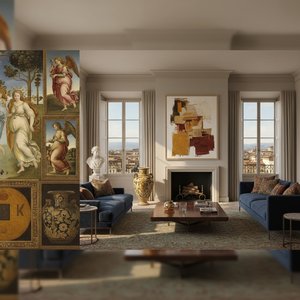
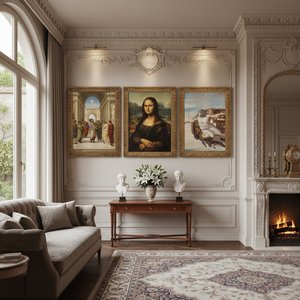
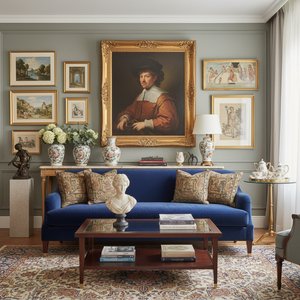
The beauty of the Renaissance does not have to be confined to the halls of the Uffizi or the Vatican. In the modern home, these classical themes offer a way to ground contemporary spaces with a sense of history, stability, and profound emotion. Integrating a piece of this era into your decor—whether through a large-scale reproduction of a Michelangelo fresco or a delicate, light-filled print in the style of Raphael—allows you to curate an environment that inspires thought and provides a sanctuary of elegance.
When selecting art for your space, consider the mood each master evokes. A Leonardo-inspired piece can add a layer of sophisticated mystery to a study or library, while the vibrant energy of a Michelangelo reproduction can serve as a powerful focal point in a grand living area. For those looking to personalize their collection, the possibilities are endless. At ArtsDot.com, we specialize in bringing these historical wonders to life through meticulous, hand-painted oil reproductions and museum-quality prints. From custom commissions that transform your personal memories into Renaissance-style masterpieces to large-format murals that recreate the grandeur of a cathedral ceiling, our mission is to make the timeless beauty of the masters accessible to every home. Discover how you can elevate your interior with the enduring spirit of the Renaissance.