
The Impressionist Foundation: Capturing Fleeting Moments of Light
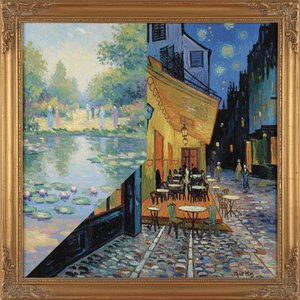 Beyond Light & Color: Impressionism vs. Post-Impressionism for the Discerning Collector
The Dawn of Impressionism: Capturing Fleeting Moments Impressionism, a revolutionary art movement born in 19th-century France, marked a radical departure from the academic traditions that had long dominated the art world. Artists like Claude Monet, P...
To step into the world of Impressionism is to witness a beautiful rebellion against the rigid, shadowed confines of the traditional Academy. In the late 19th century, a group of visionary rebels sought to break free from the studio's artificiality, venturing outdoors to embrace the en plein air experience. This was far more than a simple change in scenery; it was a profound shift in human perception. Artists like Claude Monet and Pierre-Auguste Renoir became obsessed with the ephemeral dance of light—the way a single sunbeam might traverse a lily pond or how the atmosphere shifts during a golden afternoon.
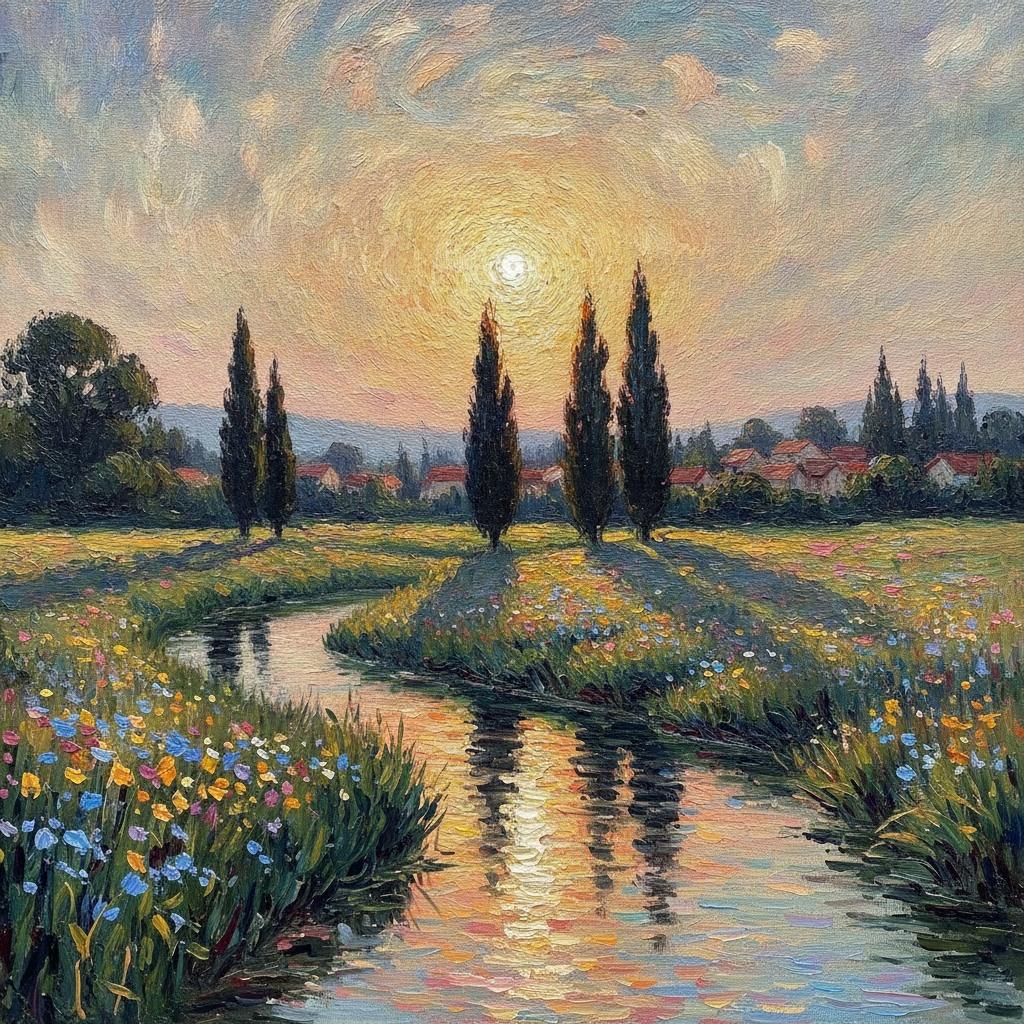
The essence of this movement lay in its devotion to the momentary impression. Rather than striving for photographic precision, these painters prioritized the subjective visual experience. They utilized visible, broken brushstrokes and vibrant, unblicting colors to record how they perceived a scene in a specific, fleeting instant. When you gaze upon a work like Renoir’s La Poste at Cagnes, you aren't just looking at a rural French landscape; you are feeling the warmth of the sun on stone and the tranquil contentment of a quiet afternoon. It is an art of immediacy, where the texture of the paint itself seems to shimmer, inviting the viewer to breathe in the very atmosphere of the moment.
Beyond the Surface: The Emotional Revolution of Post-Impressionism
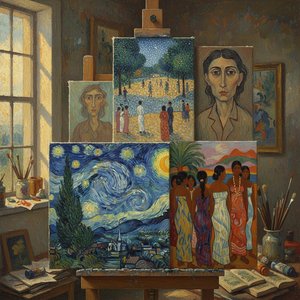 Beyond Impressionism: Exploring the Emotional Depth of Post-Impressionist Painting
The Seeds of Rebellion: From Impressionism’s Light to New Visions Wikipedia: Post-Impressionism Post-Impressionism (also spelled Postimpressionism) was a predominantly French art movement which developed roughly between 1886 and 1905, from the last I...
As the 19th century drew toward its close, a new wave of artistic energy began to emerge from the foundations laid by the Impressionists. While they deeply admired the focus on light and color, a diverse group of artists began to feel a certain dissatisfaction with what they perceived as the fleeting, almost trivial nature of purely optical subjects. This gave rise to Post-Impressionism—a movement that was not a single unified style, but rather a collective spirit of innovation born from a desire for deeper meaning. Artists like Vincent van Gogh, Paul Cézanne, and Paul Gauguin sought to move beyond mere representation toward an expression of inner emotion, symbolic content, and a more structured engagement with form.
This era was a period of profound transformation, fueled by the rapid pulse of industrialization and evolving philosophical ideas. The Post-Impressionists dared to embrace subjective vision, using color and form not just to mirror reality, but to communicate the complexities of the human condition. Where an Impressionist might capture the light on a field of flowers, a Post-Impressionist might use those same flowers to explore spirituality or psychological depth. It was a movement that looked inward as much as it looked outward, transforming the canvas into a window for the soul and paving the way for the abstract revolutions of the 20th century.
A Symphony of Color and Form: Key Techniques to Look For
 Neo-Impressionism
Neo-Impressionism is a term coined by French art critic Félix Fénéon in 1886 to describe an art movement founded by Georges Seurat. Seurat's most renowned masterpiece, A Sunday Afternoon on the Island of La Grande Jatte, marked the beginning of this ...
For the discerning enthusiast, learning to appreciate this era involves training the eye to recognize the masterful techniques that define it. One of the most captivating hallmarks is the use of broken color—the practice of applying small strokes of pure pigment side-by-side. This allows the viewer’s eye to blend the colors optically, creating a luminous, vibrating effect that a flat layer of paint simply cannot achieve. In the realm of Neo-Impressionism, this reached its zenith with Georges Seurat’s pointillism, where tiny, systematic dots of color build a complex, shimmering image.
Beyond color, the treatment of form underwent a radical evolution. While some artists sought to restore order and structure through geometric precision—as seen in the pivotal studies of Paul Cézanne—others used impasto, the thick, textured application of paint, to create a palpable sense of movement and energy. You might notice how Theo van Rysselberghe’s Olive Trees near Nice uses bold brushstrokes to prioritize emotional impact over photographic accuracy, or how the heavy textures in a Van Gogh piece mirror an artist's inner turmoil. Whether through the structured stability of a still life or the swirling, expressive lines of a landscape, these techniques serve to elevate the painting from a mere depiction to a sensory experience.
Masterpieces of Mood: Iconic Works that Define the Era
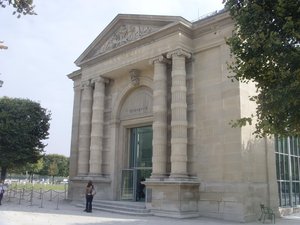 Musee de l'Orangerie
A Sanctuary of Light: The Musée de l'Orangerie Nestled within the tranquil embrace of the Tuileries Garden in Paris, the Musée de l’Orangerie is more than a repository of masterpieces; it is an immersive experience, a sanctuary dedicated to the ether...
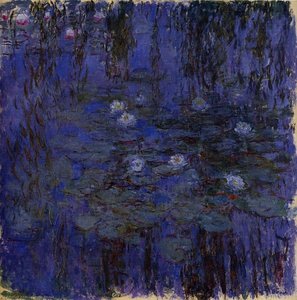
To truly understand this movement, one must wander through its most evocative landscapes and intimate portraits. Imagine standing within the tranquil embrace of the Musée de l'Orangerie in Paris, surrounded by Monet’s monumental Water Lilies. These vast canvases are designed to be immersive environments, transporting you into a world of soft, natural light and delicate hues that offer solace through contemplation. Similarly, the Courtauld Gallery in London offers a sanctuary where one can lose themselves in the atmospheric Parisian nightlife of Manet’s A Bar at the Folies-Bergère or confront the raw, poignant vulnerability of Van Gogh’s Self-Portrait with Bandaged Ear.
Each of these works acts as a milestone in the journey from light to emotion. From the sun-drenched Mediterranean scenes that capture the essence of Provençal life to the structured, thoughtful compositions of Cézanne’s fruit studies, these masterpieces do more than decorate a space; they tell stories of human perception and resilience. They remind us that art has the enduring power to transform a physical location into an emotional destination, capturing not just what we see, but how we feel about the world around us.
Bringing the Era Home: Curating Late Impressionist Art for Modern Interiors
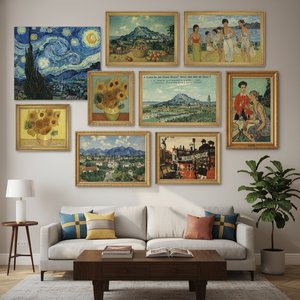 Post-Impressionism's 10 Defining Masterpieces: Art for Your Home |
Introduction Imagine stepping back in time to a world brimming with artistic revolution—a moment where painters dared to break free from the constraints of realism and embrace subjective vision. This is the essence of Post-Impressionism, a movement t...
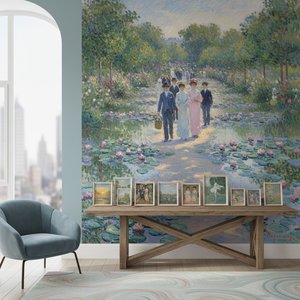
Integrating the soulful aesthetics of Late Impressionism into a contemporary home is a wonderful way to add depth, warmth, and a sense of history to your personal sanctuary. For the modern decorator, these works offer an incredible versatility in mood and color. Because this era celebrates a wide range of palettes—from the golden, sun-soaked tones of Renoir to the intense, emotive hues of Van Gogh—you can select pieces that harmonize perfectly with your existing interior design. A large-scale, multi-panel landscape can serve as a breathtaking focal point for a wide living room wall, while a smaller, intimate still life can add a touch of quiet elegance to a reading nook.
When choosing art for your home, consider the vibe and color palette you wish to cultivate. If you seek tranquility, look for works with soft, blended light and natural greens or blues. If you desire a space filled with energy and conversation, opt for pieces with bold, impasto textures and vibrant, contrasting colors. At ArtsDot.com, we believe that fine art should be accessible to everyone. Whether you are looking for a museum-quality handmade oil reproduction that captures every visible brushstroke or a beautiful print to refresh a room, our mission is to help you find pieces that resonate with your unique story. We invite you to explore our collections and discover how the timeless beauty of Impressionism can transform your modern living space into a curated gallery of emotion and light.