The Allure of the Abyss: Why Stormy Seas Captivate the Modern Soul
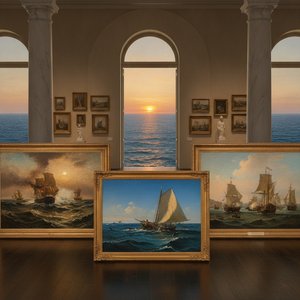 Masterpieces of the Sea: An Authoritative Guide to Iconic Maritime Artworks and the Eternal Horizon
The Genesis of the Seascape: From Navigational Records to Aesthetic Expression The Allure of the Horizon: A Comprehensive Exploration of Seascape Art Through History & Emotion The Genesis of Seascape: From Maritime Records to Artistic Expression For ...
There is a profound, almost primal pull toward the horizon, that ethereal boundary where the liquid expanse of the sea meets the infinite sky. To gaze upon a seascape is to engage in a silent meditation, inviting us into a state of reflection and escape. For centuries, humanity’s relationship with the ocean has been woven from threads of necessity, fear, and profound respect. Long before the sea became a celebrated subject of aesthetic contemplation, it was documented through the cold, precise lens of commerce and navigation. Yet, as our gaze shifted from the practical to the poetic, the ocean transformed into a canvas for our deepest emotions.
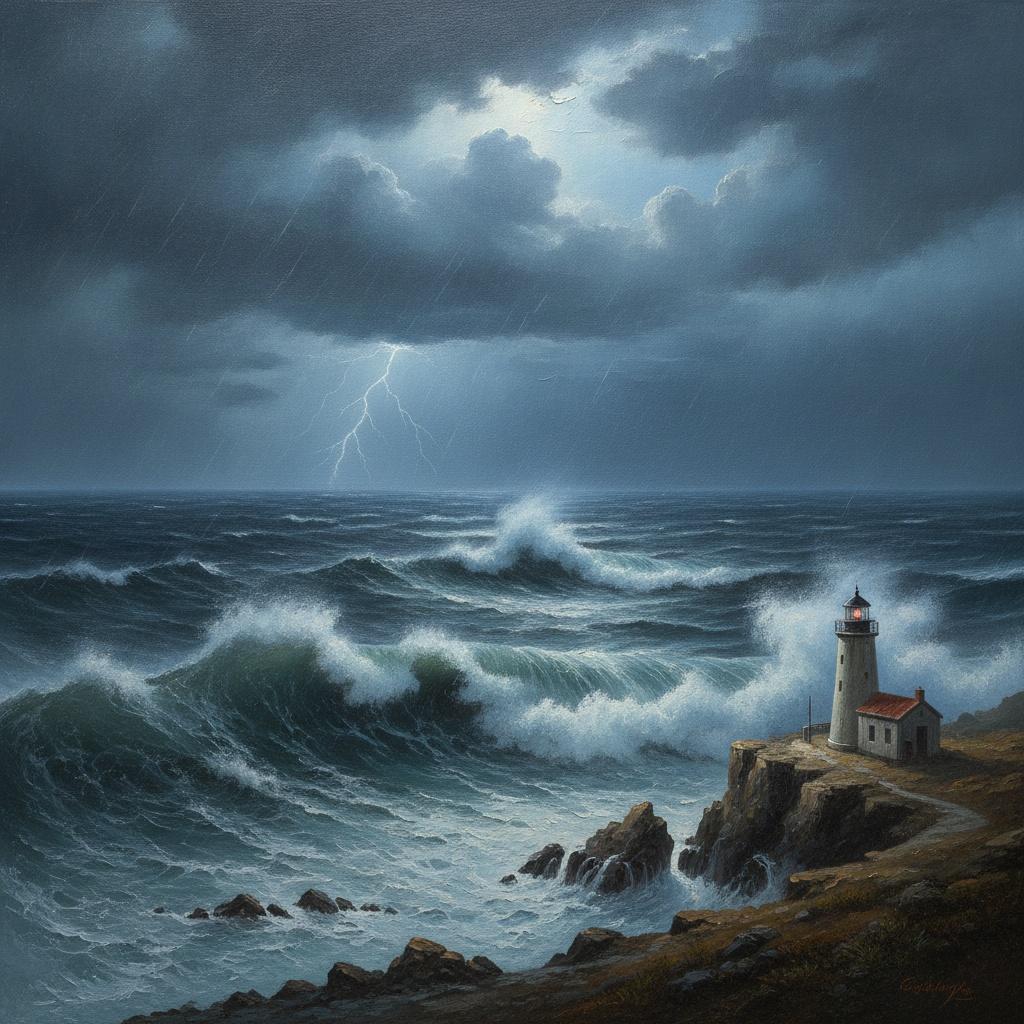
A stormy sea serves as more than just a depiction of weather; it is a dialogue between humanity and the infinite. In the midst of a tempest, we find a mirror for our own internal struggles—the way a single vessel might represent human ambition or resilience against overwhelming odds. This emotional resonance is why maritime art remains so vital in contemporary design. It offers an anchor of depth, providing a sense of movement and life that can soften the sharp, modern architectural lines of a sophisticated home. When we invite the chaos of the storm into our living spaces, we are not merely decorating; we and are embracing the raw, untamed energy of the natural world.
Masters of the Tempest: Iconic Works from the Dutch Golden Age to Impressionism
 A Shipwreck in Stormy Seas
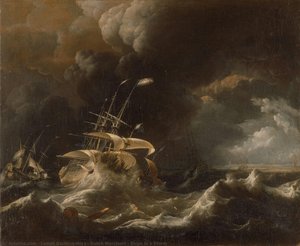
A Shipwreck in Stormy Seas (French: Tempête) is an oil on canvas seascape painting by the French artist Claude-Joseph Vernet, from 1773. He was known for his maritime art, such as his Views of the Ports of France series. The painting depicts a shipwr...
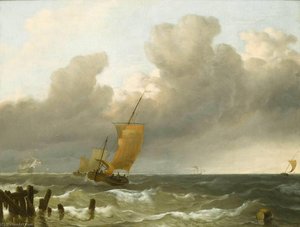
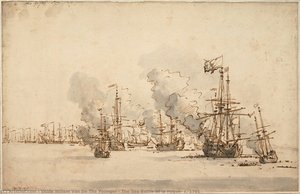
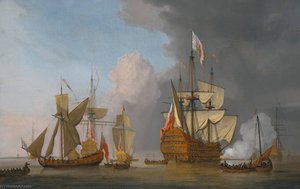
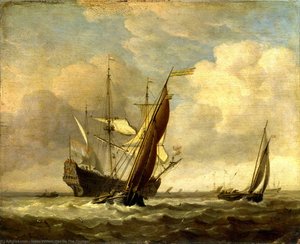
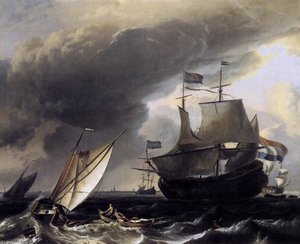
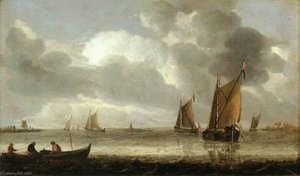
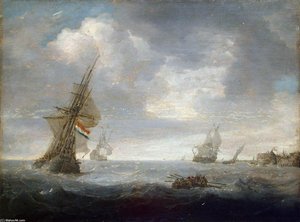
The history of maritime art is a journey through shifting perspectives, moving from the meticulous realism of the 17th century to the emotive light of the modern era. During the Dutch Golden Age, artists like Jan Porcellis and Willem van Diest became renowned for their breathtaking depictions of turbulent seas and tempestuous skies. Their works, often characterized by a mastery of the North Sea's unpredictable character, captured the very spirit of maritime life in Holland. These paintings were not just landscapes; they were windows into an era defined by naval strength and global trade, where every cresting wave told a story of adventure and peril.
As art evolved, so did the way we perceived the storm. The late 18th century brought us the dramatic narratives of Claude-Joseph Vernet, whose works like A Shipwreck in Stormy Seas captured the high drama of maritime disaster with a theatrical intensity. By the time we reach the Impressionist and Post-Impressionist movements, the focus shifted from the literal to the sensory. We see the sea through the eyes of Claude Monet, capturing the fleeting light of Étretat, or the vibrant, almost spiritual energy in Emil Nolde’s 1930 watercolor, where fiery oranges on the horizon clash against dark, moving waves. From the precise records of the Dutch masters to the soulful abstractions of the modernists, these works continue to offer a limitless spectrum of maritime expression.
Texture and Tension: The Visceral Power of Impasto in Marine Art
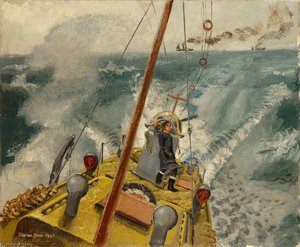 Air Sea Rescue
A Tempestuous Encounter: Stephen Bone’s ‘Air Sea Rescue’ Stephen Bone's 1943 oil painting, *Air Sea Rescue*, is a powerful depiction of human courage pitted against the raw force of nature. Measuring 64 x 76 cm, this work isn’t merely a seascape; it’...
To truly feel a storm on canvas, one must look beyond color and toward the physical presence of the paint itself. One of the most captivating techniques in seascape painting is the use of impasto—the thick, sculptural application of oil paint that creates a palpable texture. When an artist applies heavy layers of pigment, the painting ceases to be a flat image and becomes a three-dimensional experience. You can almost feel the weight of the water and the spray of the salt air. This technique is masterfully utilized in works like Stephen Bone’s Air Sea Rescue, where bold, unrestrained brushstrokes convey the instability of a vessel battling through towering waves.
This tactile dimension adds a layer of tension that is essential for capturing the essence of a tempest. The visible ridges of paint catch the light, mimicking the way sunlight fractures on a cresting wave or how shadows pool in the troughs of a heavy swell. At ArtsDot.com, our artists specialize in this very tradition, ensuring that every handmade reproduction retains that vital, hand-painted soul. Whether it is the rugged texture of a 17th-century Dutch masterpiece or a modern reimagining, the interplay of light and thick pigment allows the viewer to experience the movement and energy of the ocean, making the artwork feel as though it is breathing within the room.
Designing with Drama: Integrating Nautical Masterpieces into Sophisticated Interiors
 St. George and the Dragon
Discover Raphael’s ‘St. George & Dragon’! A timeless High Renaissance masterpiece – explore its dynamic composition, rich colors & heroic symbolism. Perfect for art lovers!
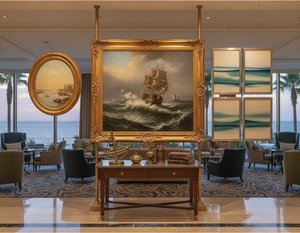
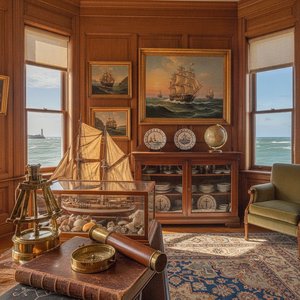
Integrating maritime art into a contemporary interior requires a delicate balance between drama and elegance. For the discerning decorator, a large-scale seascape can serve as a powerful focal point, an emotional anchor that defines the character of a room. In high-end hospitality design or luxury residential spaces, these paintings are often used to establish a sense of place. A dramatic, dark-toned maritime piece can add weight and gravitas to a formal dining room, while a lighter, more impressionistic seascape can bring a refreshing, salt-kissed atmosphere to a bright, airy lounge.
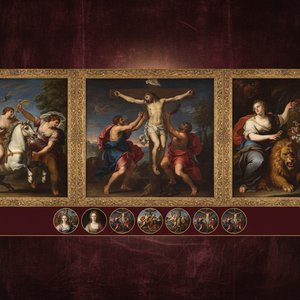
When curating your collection, consider the concept of the "multi-panel" trend. Splitting a powerful oceanic scene across three or five panels can transform a wide wall or a grand staircase into an immersive architectural feature. This approach allows the movement of the waves to flow seamlessly across the space, creating a cohesive and modern look. Furthermore, pairing these intense works with custom framing—such as gold leaf for a classical feel or natural wood for a more organic aesthetic—ensures that the artwork complements your existing decor while maintaining its commanding presence.
From Canvas to Coastline: Bringing the Energy of the Ocean into Your Home
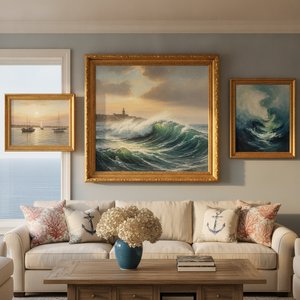 Bring the Ocean Home: Captivating Maritime Paintings to Transform Your Space with Timeless Elegance
The Allure of the Horizon: Finding Emotional Resonance in Seascape Art The Allure of the Horizon: A Comprehensive Exploration of Seascape Art Through History & Emotion The Genesis of Seascape: From Maritime Records to Artistic Expression For centurie...
The ultimate goal of bringing maritime art into your home is to create a space that resonates with your personal history and aesthetic values. Whether you are drawn to the historical significance of a Dutch ship portrait or the emotive, abstract textures of a modern watercolor, these pieces offer a way to connect with the infinite. At ArtsDot.com, we believe that art should be an accessible discovery. We specialize in transforming these legendary moments of maritime history into high-quality, handmade oil reproductions that allow you to experience the majesty of the sea without needing a museum's budget.
Our process is designed to build your confidence as a collector. From the initial digital mockup where you can approve colors and composition, to the final delivery of a hand-painted masterpiece on 100% cotton canvas, we ensure every detail meets our museum-grade standards. We even offer the ability to "remix" history, allowing you to request custom styles or even transform personal memories into maritime-inspired works. By choosing a piece that captures the beautiful chaos of the sea, you are not just decorating a wall; you are inviting the timeless, rhythmic pulse of the ocean into the very heart of your home.