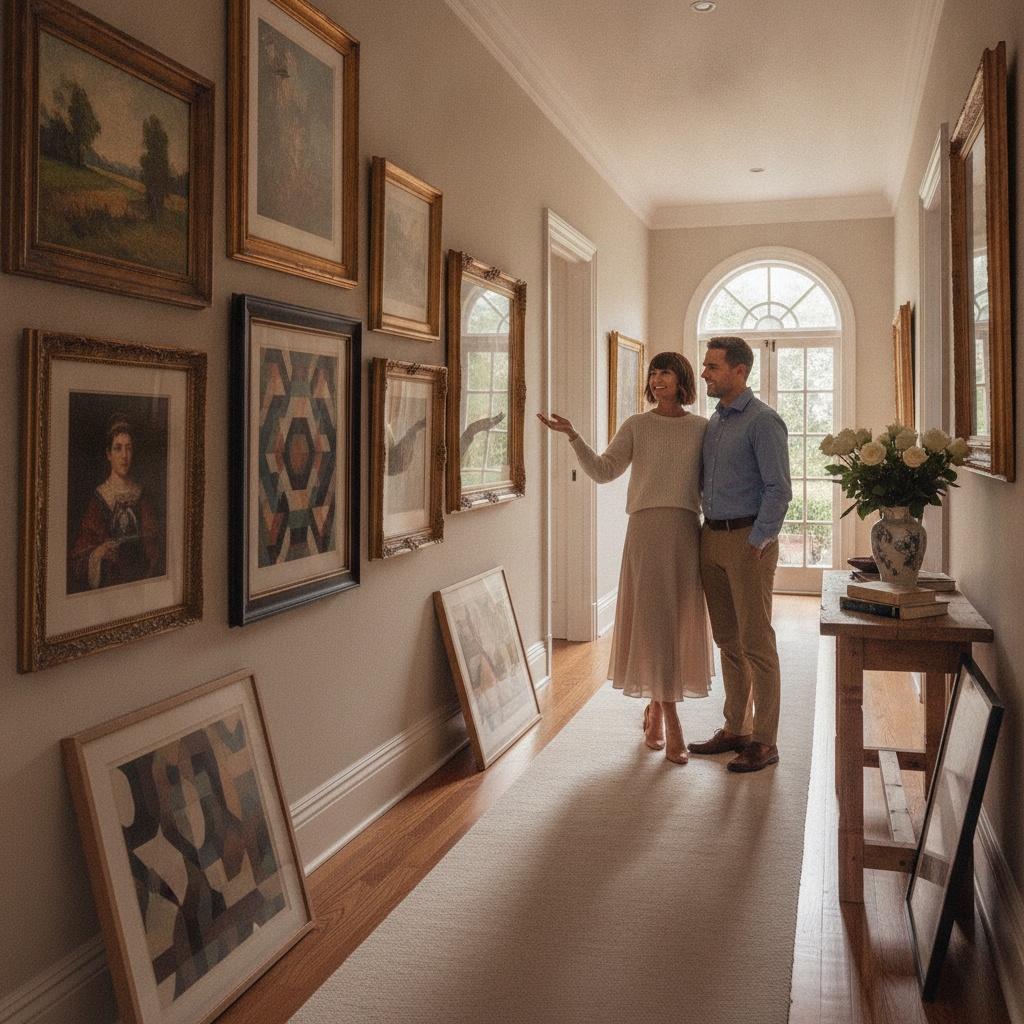





The Hallway: Setting the Tone for Your New Life Together
Entering a home for the first time as a married couple is a profound experience, a quiet transition from two individual journeys into one shared narrative. As you begin to furnish your new sanctuary, the hallway often becomes the most overlooked yet vital artery of the house. It is more than just a passage between rooms; it is the threshold of your shared life. A thoughtfully curated hallway acts as a prelude to the rest and warmth found in your living spaces, offering a subtle, sophisticated greeting to every guest who crosses your doorstep. For newlyweds, this space presents a beautiful opportunity to establish an aesthetic foundation that feels both intentional and welcoming, setting a tone of elegance and stability from the very first step.
When we consider the hallway as a canvas for our new beginnings, we realize that the art we place here does more than decorate; it communicates. It whispers stories of shared tastes, travels, and aspirations. By treating this transitional space with the same reverence as a grand salon, you transform a mere corridor into an evocative gallery that prepares the soul for the intimacy of the home. It is in these narrow stretches of wall where the first impression of your union is quietly etched, making the choice of artwork a foundational element of your domestic identity.
Curating a First Impression: Choosing Art that Reflects Your Shared Story
The most enchanting way to approach hallway decor is to view it as an act of storytelling. As you navigate the early stages of marriage, your home should reflect the unique alchemy of your partnership. Some couples find solace in the timelessness of the Old Masters, perhaps selecting a reproduction of a serene Monet landscape to evoke a sense of eternal peace. Others may gravitate toward the bold, rhythmic energy of Matisse or the geometric precision of the Machine Age, reflecting a modern, dynamic lifestyle. The beauty of art lies in its ability to mirror your internal world; whether you are drawn to the romanticism of a soft oil portrait or the avant-garde spirit of Cubism, let your selection be an honest reflection of your joint aesthetic.
Beyond established masterpieces, there is a profound magic in personalizing this journey through custom commissions. Imagine walking down your hallway and being greeted by a hand-painted oil reproduction of your wedding day, where the light and texture of the brushstrokes capture the very essence of that unforgettable moment. This ability to "remix" history—perhaps transforming a contemporary photograph into a 17th-century style Rembrandt—allows you to weave your own milestones into the grand tapestry of art history. By blending personal memories with classical beauty, you create a hallway that is uniquely yours, a curated path that celebrates where you have been and where you are going together.
Size and Scale: Navigating Wall Space with Impactful Masterpieces
One of the most common challenges in decorating a hallway is managing the physical constraints of the space. Hallways are often narrower than living rooms, which can make large-scale works feel overwhelming or small prints appear lost. To achieve a professional, designer-led look, one must consider the rhythm of the wall. A single, commanding masterpiece can act as a focal point, drawing the eye forward and creating a sense of grandeur in a tight space. Conversely, utilizing the "multi-panel" trend—splitting a singular, breathtaking image across three, four, or even five panels—can elongate the visual perception of the hallway, making the architecture feel more expansive and modern.
When working with longer corridors, think about the cadence of your placement. A series of smaller, cohesive works can create a rhythmic movement that guides guests through the home, much like a curated museum exhibit. However, always be mindful of the "weight" of the art. Heavy, ornate gold frames add a sense of traditional luxury and importance, while frameless canvas wraps or minimalist metal sculptures offer a contemporary lightness. The goal is to find a balance where the art feels anchored to the architecture, neither crowding the passage nor leaving it feeling hollow.
Color and Mood: Harmonizing Art with Your Home's New Palette
Color is the emotional heartbeat of interior design. In a hallway, color serves as the connective tissue between different rooms. When selecting art, consider how the palette of your paintings interacts with your wall color and the light available in the corridor. If your new home features a neutral, calming palette of creams and soft greys, an artwork with vibrant, Fauvist tones—reminiscent of Henri Matisse—can provide a much-needed burst of energy and joy. On the other hand, if you seek a more cohesive, tranquil atmosphere, selecting works with harmonious blues or earthy ochres can create a seamless flow that eases the transition from room to room.
It is also wise to consider the psychological impact of color on mood. Deep, rich tones found in Renaissance-style portraits can instill a sense of warmth and established luxury, perfect for creating an inviting atmosphere. Meanwhile, lighter, impressionistic strokes can make a dim hallway feel airy and luminous. For those who find color selection daunting, professional art consultations can be invaluable, offering the ability to digitally "place" artwork onto photos of your actual walls. This ensures that the hues you choose will not only complement your existing decor but will actively enhance the emotional resonance of your new home.
From Prints to Portraits: Selecting the Right Medium for Your Decor
The medium you choose defines the tactile soul of your space. While high-quality Giclée prints offer a beautiful, durable, and accessible way to introduce classic imagery into your home, they possess a certain flatness characteristic of digital reproduction. For a truly transformative experience, particularly in a high-traffic area like a hallway, the depth of a handmade oil reproduction is unparalleled. These pieces are meticulously crafted by skilled artists on 100% cotton canvas, where every visible brushstroke and layer of impasto paint adds a three-dimensional quality that captures light and shadow in ways a print simply cannot.
Choosing between a print and an oil painting is often a choice between convenience and character. A hand-painted reproduction offers a level of prestige and texture that turns a wall into a living entity. The subtle variations in the artist's hand, the richness of the pigments, and the protective finish of Damar varnish all contribute to a piece that feels like an heirloom. For newlyweds looking to build a lasting collection, investing in these textured, soulful works ensures that your home decor will age with grace, much like the marriage it celebrates.
Expert Tips for a Gallery-Style Hallway: Lighting, Framing, and Layout
To truly elevate your hallway to a professional gallery standard, attention must be paid to the final flourishes: lighting and framing. Lighting is the unsung hero of art display; soft, directional spotlights can highlight the texture of oil paintings, while ambient light can soften the edges of modern geometric sculptures. Avoid placing art in direct, harsh sunlight to preserve the longevity of the pigments, but ensure there is enough illumination to appreciate the nuances of the work.
Framing serves as the final punctuation mark on your artistic statement. A solid wood frame in espresso or gold leaf can lend an air of classical authority, while a modern, frameless canvas wrap offers a sleek, contemporary edge. If you are arranging multiple pieces, aim for a cohesive layout—perhaps a structured grid for a formal look, or a more organic, staggered arrangement for a relaxed, bohemian vibe. By thoughtfully integrating these elements, you transform your hallway from a simple transit zone into a breathtaking gallery of your shared life, making every arrival a moment of wonder.