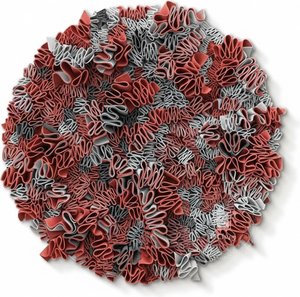
The Allure of Dimension: Understanding the Magic of Plaster Relief Art
There is a profound, almost visceral difference between looking at a flat image and encountering a work that breathes with physical presence. While traditional painting captures the essence of light through color, plaster relief art—often referred to as bas-relief—captures it through the very architecture of the medium itself. To step into the presence of a textured plaster piece is to engage in a dialogue with shadow and form. It is an art form that refuses to remain passive on the wall; instead, it reaches out, inviting the viewer to notice how a single light source can transform a quiet morning scene into a dramatic, high-contrast landscape as the sun sets.
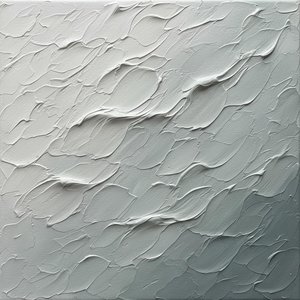
For the modern decorator or the budding collector, the allure lies in this tactile depth. Unlike a standard print, which offers a window into another world, relief art brings a piece of that world into our physical reality. The magic resides in the subtle interplay between the raised surfaces and the recessed hollows, creating a rhythmic movement across the canvas. This dimension provides an organic energy to a room, acting as a bridge between the two-dimensional elegance of fine art and the three-dimensional soul of sculpture. It is a medium that celebrates the beauty of imperfection, where every ridge and groove tells a story of touch and intention.
From Classical Bas-Relief to Modern Textures: A Journey Through Art History
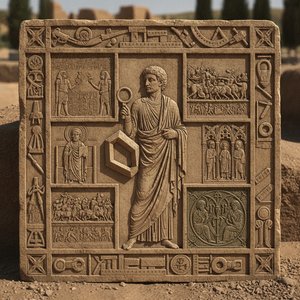
The lineage of relief art is as ancient as civilization itself, etched into the stone walls of Egyptian tombs and the grand friezes of Greco-Roman temples. In these classical eras, bas-relief was used to narrate epic histories, where figures emerged from the background with a grace that suggested life without fully breaking free from the stone. This tradition established the fundamental language of depth that we still admire today—the ability to suggest movement and emotion through varying levels of protrusion.
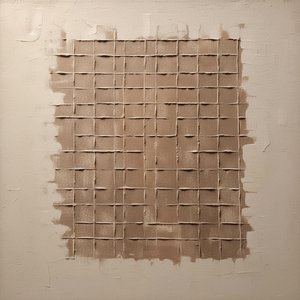
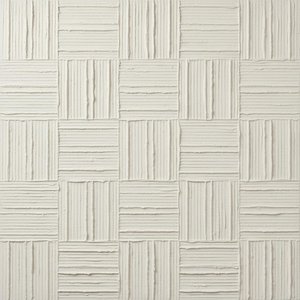
As art evolved, so did the application of these techniques. The Renaissance brought an even more sophisticated understanding of how light interacts with sculpted surfaces, while the modern era has reimagined relief as a playground for abstraction and minimalism. We see this evolution in the works of masters like Sergio Camargo Peñaranda, whose minimalist reliefs use geometric forms to create a palpable sense of three-dimensionality through stark, white textures. Even the powerful, emotive bronze reliefs of Henry Moore remind us that the human form can be captured with profound psychological depth when we allow the medium to rise and fall. Today, this history converges in contemporary pieces that blend classical techniques with modern aesthetics, such as Andrea Benetti’s breathtaking works that combine oil pigments with oxides on plaster, creating a multi-sensory experience that honors the past while embracing the avant-garde.
The Sculptor's Toolkit: Essential Materials and Techniques for Creating Depth
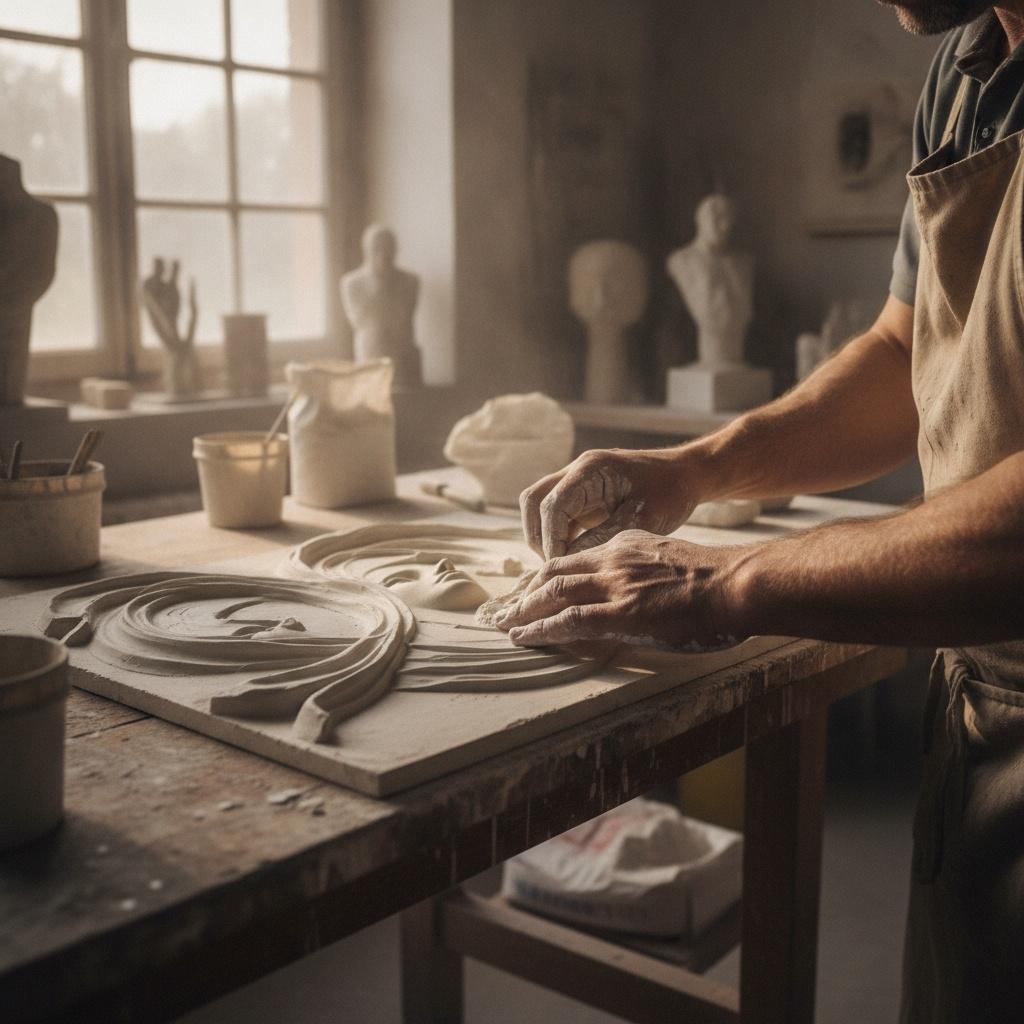
Creating a masterpiece in plaster requires much more than mere application; it is an exercise in precision, patience, and a deep understanding of material chemistry. The process begins with the selection of the substrate—often a sturdy canvas or wood panel capable of supporting the weight of the medium. The artist then works with plaster, a versatile material that can be transformed from a fluid, workable paste into a hardened, permanent structure. The true artistry, however, emerges during the carving and layering phases.
<- Layering and Build-up: Artists often build up layers of plaster to create high-relief areas, allowing certain elements of the composition to physically project further toward the viewer.
- Texture Carving: Once the plaster is in a semi-set state, tools are used to etch, scrape, or smooth the surface, creating everything from rugged, stone-like textures to delicate, silk-like finishes.
- Pigment Integration: Beyond the structural elements, the integration of oxides and oils allows for a rich, tonal range. This can involve painting directly onto the dried relief or mixing pigments into the wet plaster itself to ensure color is embedded within the very soul of the work.
- The Role of Light: A skilled artist sculpts not just with plaster, but with light. They anticipate where shadows will fall, ensuring that the physical topography of the piece enhances the intended mood of the artwork.
Curating with Light and Shadow: How Relief Art Transforms Interior Spaces
When introducing relief art into a curated home, one must consider the environment as much as the artwork itself. Because these pieces rely on light to reveal their true character, they are highly sensitive to the lighting design of a room. A piece placed directly under a warm spotlight will exhibit dramatic, sharp shadows that emphasize its ruggedness and strength, making it an ideal focal point for a sophisticated study or a grand entryway. Conversely, soft, diffused natural light from a nearby window can highlight the subtle gradations and delicate textures, lending a sense of tranquility to a bedroom or a serene living space.
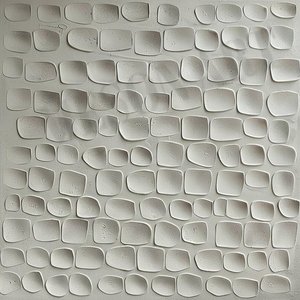
Integrating these works into an interior design scheme allows for a layered, architectural approach to decorating. A textured white relief can act as a sophisticated, minimalist element that adds "quiet luxury" to a modern room, providing visual interest without overwhelming the color palette. For those looking to make a bolder statement, multi-panel relief sets can be used to span wide walls or staircases, creating a rhythmic, sculptural installation that guides the eye through the home. The key is to view the artwork not as a static object, but as a dynamic participant in the room's atmosphere, capable of changing its expression as the day progresses.
Collecting the Tactile: Tips for Discerning Collectors of Sculptural Works
For the discerning collector, acquiring relief art is an investment in texture and presence. As you begin to build your collection, it is important to look beyond the initial visual impact and consider the craftsmanship behind the depth. Examine the edges where the relief meets the flat canvas; a true masterwork will show a seamless transition that feels intentional and structurally sound. Look for the "hand" of the artist—the visible traces of tools or fingers that provide that essential human connection.
When selecting pieces, consider how they will interact with your existing collection. Relief art pairs beautifully with traditional oil paintings, as the contrast between the flat, luminous surface of an oil portrait and the rugged texture of a plaster landscape can create a stunningly curated gallery wall. Furthermore, pay attention to the longevity of the materials. High-quality works, much like the hand-painted oils found at ArtsDot.com, are created with archival integrity in mind, using stable pigments and protective finishes like Damar varnish to ensure that the shadows and highlights remain as vibrant decades from now as they are on the day of installation. Collecting relief art is about more than just filling a space; it is about curating a sensory experience that celebrates the enduring magic of form.