




The Allure of Chiaroscuro: Understanding the Power of Light and Shadow
There is a profound, quiet magic that resides within the shadows of a well-curated room. To understand the transformative power of dimly lit art, one must first look to the masters of chiaroscuro—that breathtaking technique where light does not merely illuminate, but actively sculpts the subject from the darkness. This interplay between brilliance and obscurity creates a sense of volume and drama that flat, brightly lit spaces often lack. When we invite these high-contrast works into our homes, we are not just hanging a decoration; we are introducing a narrative tension that commands attention.
Historically, this technique was used by titans like Caravaggio and Rembrandt to evoke deep emotion and spiritual intensity. By obscuring certain details in shadow, the artist invites the viewer to participate in the creation of the image, using their own imagination to fill the darkness. In a modern interior, this translates to an atmosphere of mystery and intellectual depth. A piece that utilizes such dramatic transitions serves as an anchor, drawing the eye toward the light while allowing the surrounding shadows to provide a sense of sanctuary and repose.
Creating Intimacy: How Dimly Lit Artworks Define Room Atmosphere
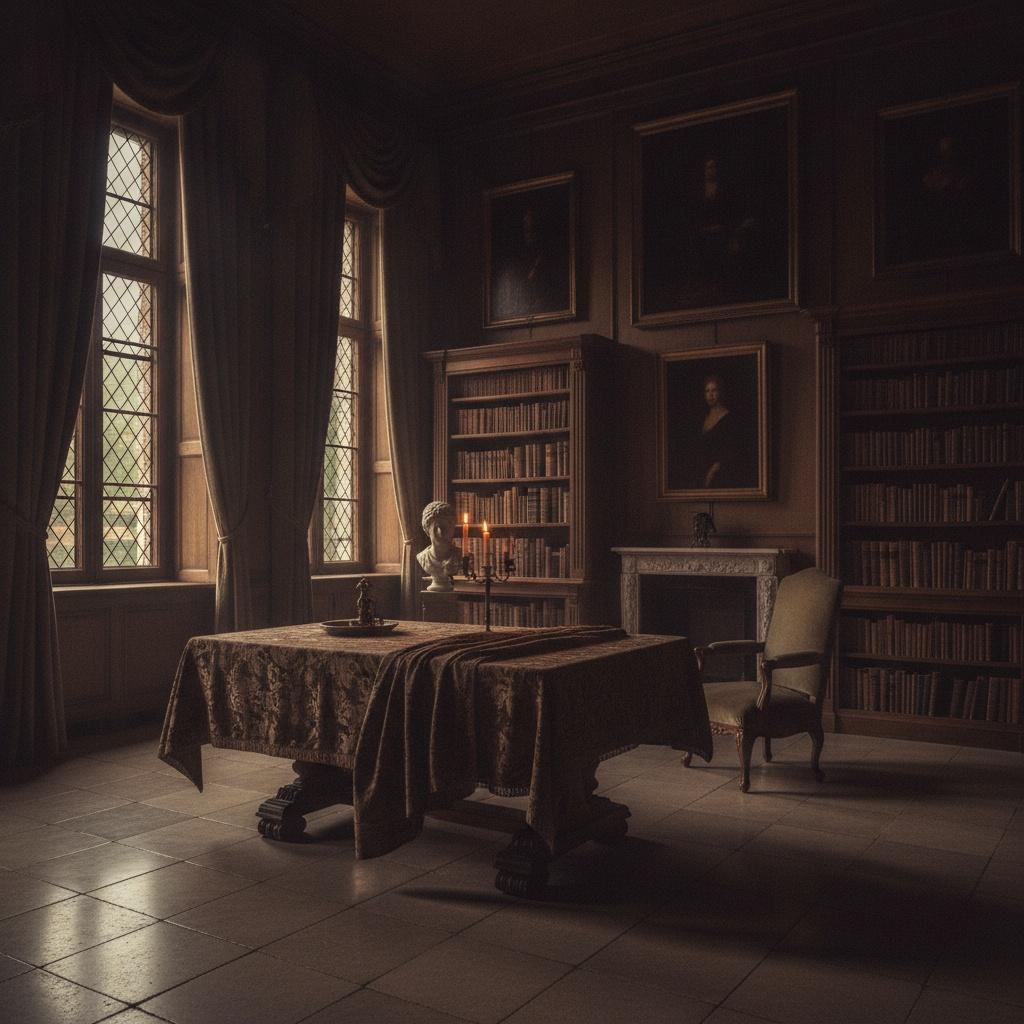
In an era dominated by bright, clinical lighting and open-concept living, there is a growing desire for intimacy—for spaces that feel enclosed, safe, and deeply personal. Dimly lit artworks act as the architects of this intimacy. Unlike vibrant, high-key paintings that demand energy from the room, moody masterpieces offer a soft, contemplative presence. They thrive in the corners of libraries, the quiet alcoves of bedrooms, or the velvet-draped corners of a formal dining room, where the light is low and the conversation is hushed.
The presence of such art shifts the psychological weight of a room. It encourages a slower pace of life, inviting guests to linger and gaze closely at the subtle gradations of tone. This is particularly effective in creating what designers often call "moody" or "dark academia" aesthetics, where the goal is to foster a sense of timelessness. By selecting works that embrace the dark, you are essentially designing an emotional landscape, turning a standard living area into a sophisticated retreat that feels disconnected from the frantic pace of the outside world.
Curating the Mood: Selecting Color Palettes for a Sophisticated Low-Light Space
Designing around low light requires a delicate balance of color theory and tonal awareness. When working with a darker aesthetic, one must move beyond the simple idea of "dark colors" and instead consider how pigments react to minimal illumination. Deep ochres, burnt umbers, midnight blues, and forest greens provide a rich, velvety foundation that complements the shadows. These hues do not fight against the darkness; they harmonize with it, creating a seamless transition between the artwork and the walls.
< p>For those decorating for the first time, the key is to use art to introduce "pops" of controlled light. A painting featuring a single, bright highlight—perhaps a glint of gold or a pale skin tone against a black background—can act as a focal point that prevents the room from feeling heavy or oppressive. At ArtsDot.com, we often suggest browsing by color palette to find that perfect equilibrium. The goal is to create a cohesive environment where the colors of your furniture, textiles, and art all speak the same language of sophisticated restraint.Texture and Depth: The Role of Hand-Painted Impasto in Moody Interiors
In a room characterized by low light, texture becomes just as important as color. When light levels are reduced, the eye begins to seek out tactile information to understand the space. This is where the distinction between a flat print and a hand-painted oil reproduction becomes truly vital. The impasto technique—where paint is applied thickly enough to create visible, three-dimensional brushstrokes—allows the artwork to catch what little light is available.
As a candle flickers or a dim lamp glows, these raised ridges of paint cast their own microscopic shadows, adding an extra layer of complexity to the piece. This physical depth provides a sense of luxury and authenticity that digital prints simply cannot replicate. A hand-painted canvas possesses a "soul" born from the artist's movement; the way the light hits a heavy stroke of white or gold creates a dynamic experience that changes throughout the evening, ensuring your collection remains as living and breathing as the people who inhabit the home.
Beyond the Frame: Integrating Large-Scale Murals and Multi-Panel Sets into Darker Decor
To truly transform an architectural space, one must think beyond the single, small frame. For those with expansive walls or grand staircases, the use of multi-panel sets—often referred to as triptychs or polyptychs—can create a sweeping sense of drama. Splitting a moody landscape across three or five panels allows the shadows to flow across the architecture of the room, making the art feel like an integral part of the building itself rather than an afterthought.
For even more profound transformations, large-format murals and ceiling frescoes can recreate the grandeur of historical palaces. Imagine a ceiling painted with soft, shadowy clouds or classical figures that emerge from the darkness above you. These large-scale installations wrap the room in art, creating a cocoon-like effect. Whether it is a modern reimagining of a Renaissance fresco or a custom mural designed to match your specific color scheme, these expansive works are the ultimate statement of sophisticated interior design.
Expert Tips for Lighting Your Collection: Preserving Beauty While Enhancing Drama
The final, crucial step in curating a moody collection is the management of light itself. The paradox of displaying dark art is that while it thrives in low light, it requires strategic illumination to be appreciated. Avoid harsh, direct overhead lighting, which can flatten the textures of an oil painting and create distracting glares on the varnish. Instead, opt for layered lighting: soft accent lamps, dimmable sconces, or even candlelight.
Positioning a small spotlight or a directed LED beam to graze the surface of a textured canvas can highlight the beautiful craquelure or impasto strokes without washing out the deep shadows. Furthermore, always remember the importance of preservation. To protect your investment, ensure that any light source—especially natural sunlight—is filtered or UV-protected to prevent the pigments from fading over time. When handled with care, your collection will remain a vibrant, dramatic centerpiece for generations to come.
At ArtsDot.com, we believe that everyone deserves to live surrounded by beauty. Whether you are looking to transform a single corner with a custom portrait or reimagine an entire room with large-scale reproductions, our mission is to make the world of fine art accessible and inspiring. From hand-painted oils to personalized digital mockups, we help you discover the art that speaks to your soul.