

The Sacred Space: Understanding the Emotional Resonance of the Studio Setting
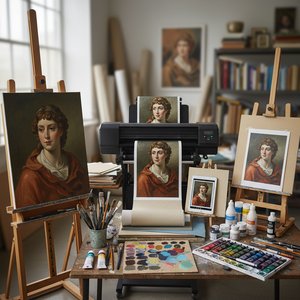
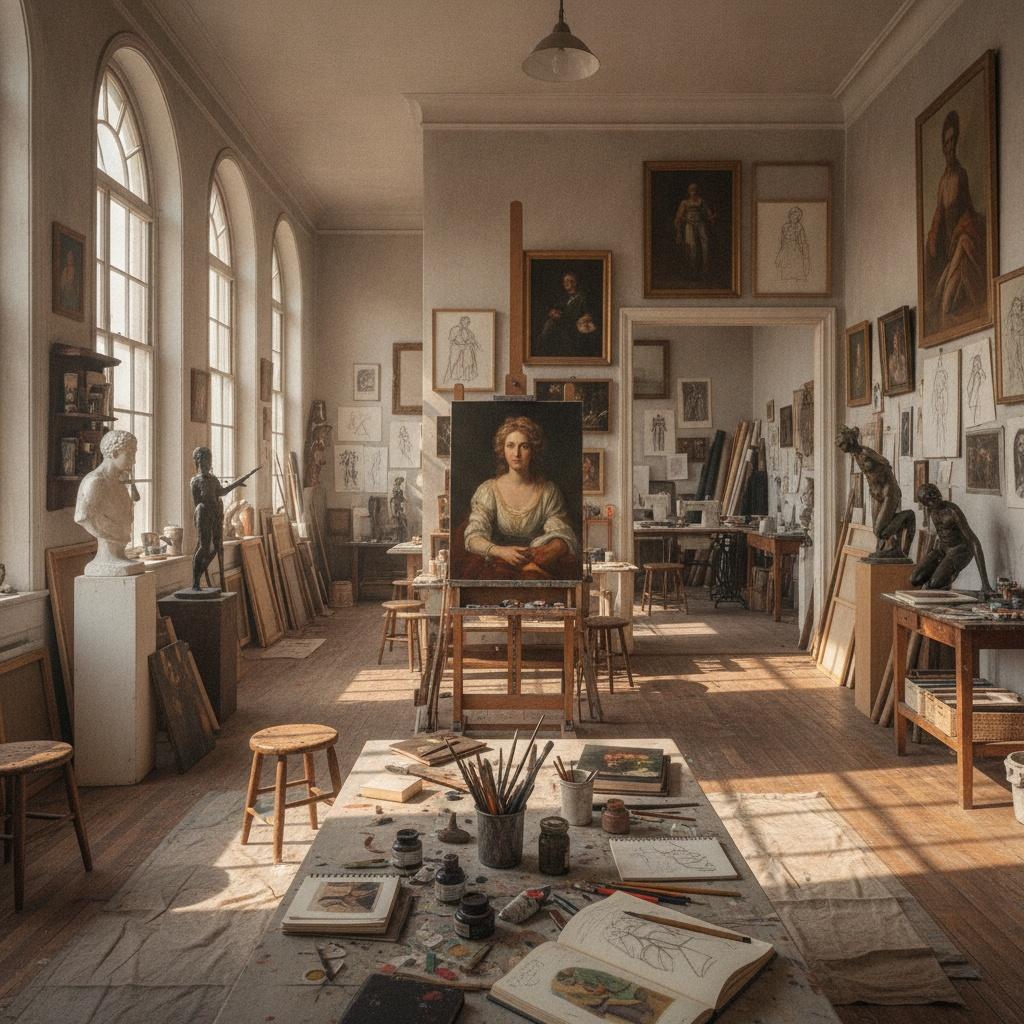
To step into an artist’s studio is to cross a threshold between the mundane world and the realm of pure imagination. For the discerning collector, a painting of a studio setting offers far more than a mere depiction of a room; it provides a window into the very heartbeat of creativity. These works serve as a sanctuary where the chaos of life is distilled into intentional strokes of pigment and light. There is an inherent intimacy in observing a space designed solely for the pursuit of beauty, a quiet reverence that resonates deeply within any home curated with intention.
The studio is a site of profound transformation, where raw materials—linseed oil, pigments, and stretched canvas—are transmformed into enduring legacies. When we gaze upon these scenes, we are not just looking at furniture or easels; we are witnessing the architecture of thought. This emotional resonance makes studio-themed art a cornerstone for those seeking to infuse their living spaces with a sense of purpose and intellectual depth. It invites a contemplative mood, turning a quiet corner of a room into a place of inspiration.
Light and Shadow: How Masters Captured Atmosphere in the Atelier
The true magic of the atelier lies in its relationship with light. Throughout art history, the mastery of chiaroscuro and tonalism has allowed painters to breathe life into the stillness of a studio. Consider the works of James Abbott McNeill Whistler, where the artist’s studio becomes a masterclass in mood and atmosphere. Through soft colors and a delicate balance of light and shadow, Whistler creates a Tonalist masterpiece that feels less like a physical room and more like a whispered memory. The way light filters through a window, catching the edge of a palette or the texture of a draped cloth, creates a sense of profound peace.
In these works, shadows are never merely dark; they are layered with depth and mystery. This interplay of luminosity and obscurity is what gives studio paintings their hauntingly beautiful quality. For the collector, selecting pieces that play with these atmospheric elements can dramatically alter the energy of a room, providing a sense of warmth during the day and a sophisticated, moody elegance as evening falls. It is this careful manipulation of light that allows the viewer to feel the temperature and the very air within the painted space.
A Window into Creation: Exploring Realism and Impressionism through Studio Scenes
As art movements evolved, so too did the way artists depicted their own creative environments. The Barbizon School, with its roots in realism, brought a grounded, tactile honesty to the studio setting. Jean-Baptiste-Camille Corot’s depictions of the artist at work offer a realistic glimpse into the labor and dedication required by the craft. There is a rhythmic, steady energy in these works, celebrating the physical reality of the artist's life—the scent of turpentine, the grit of pigment, and the focused gaze of the creator.
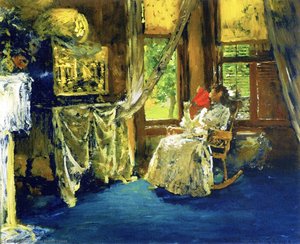
Conversely, the Impressionist movement turned the studio into a playground of light and color. Artists like William Merritt Chase transformed the interior into a vibrant, luminous experience. In his Interior of the Artist’s Studio, we see the room bathed in golden, sun-drenched light, where every brushstroke seems to dance with vitality. This era moved away from the literal documentation of tools and toward the capture of a fleeting moment. Whether one is drawn to the structured realism of the early masters or the fluid, energetic light of the Impressionists, these paintings offer a diverse palette of styles to suit any sophisticated interior.
Curating the Creative Spirit: Bringing the Artist's Sanctuary into Your Home
Integrating studio-themed art into your personal collection is an exercise in soulful interior design. Unlike generic decor, these pieces act as conversation starters that reflect a deep appreciation for the creative process. To curate effectively, one might consider the scale and placement of the work. A large-format, multi-panel reproduction of a bustling studio scene can serve as a breathtaking focal point for a grand hallway or a wide living area, creating an architectural sense of movement.
Beyond the Canvas: The Timeless Allure of the Painter’s Private World
Ultimately, the allure of the artist's studio lies in its mystery. We see the tools, the finished works, and the light, but we can never truly know the thoughts that occurred within those walls. This sense of the "unseen" is what makes these paintings so enduringly popular among collectors. They represent a bridge between the tangible world of objects and the intangible world of ideas.
As you continue your journey through the world of fine art, remember that every piece tells a story of human endeavor. Whether it is the bustling realism of Emile Vernet or the hazy, dreamlike scenes of Whistler, these works allow us to participate in the eternal cycle of creation. To own such a piece is to hold a fragment of history and a spark of inspiration within your own walls, ensuring that the flame of creativity continues to burn brightly in your home for generations to come.