
Beyond the Subject: Learning to See Through Color and Form
 Abstract art
Abstract art uses visual language of shape, form, color, and line to create a composition which may exist with a degree of independence from visual references in the world. Abstract art, non-figurative art, non-objective art, and non-representational...
To step into the world of contemporary abstract painting is to embark on a profound sensory voyage, one where the familiar anchors of reality—the curve of a petal, the silhouette of a mountain, or the light hitting a window—gradually dissolve. For many new collectors, this initial encounter can feel like entering a room where the lights are dimmed; there is a sense of mystery, perhaps even a touch of hesitation. Yet, the secret to unlocking this beauty lies in relinquishing the need to identify and instead learning to feel. Unlike traditional representational art, which seeks to mirror the visible world, abstraction invites us to explore an internal landscape. It is a departure from the logic of perspective that dominated Western art since the Renaissance, moving toward a language where color itself becomes the protagonist.
Imagine standing before a canvas saturated with deep, pulsating crimsons and heavy shadows, much like the visceral intensity found in Jefferson Eugene Grigsby Jr.’s Abstraction in Red and Black. Here, there is no landscape to describe, only a symphony of warmth and weight. The red does not represent a sunset; it is the energy of vitality and struggle. When we stop asking "What is this a picture of?" and start asking "How does this hue make me feel?", the painting begins to breathe. This shift in perception allows us to appreciate how color can act as a direct conduit to emotion, bypassing the intellect to touch something more primal within us.
As you begin your journey, remember that abstraction exists on a beautiful continuum. It can be a subtle alteration of reality—where colors are heightened to evoke mood—or it can be a total departure from any recognizable reference. By embracing this fluidity, you transform from a mere observer into an active participant in the artwork's creation, finding your own unique meaning within every wash and tint.
The Language of Lines: From Geometric Precision to Gestural Energy
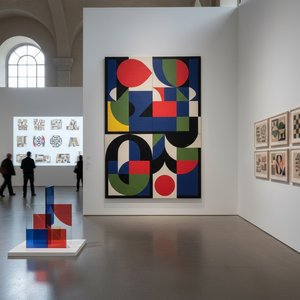 Beyond Form: Exploring Geometric Abstraction's Enduring Legacy in Art History
The Genesis of Geometric Abstraction: From Cubism to Non-Objectivity The early 20th century witnessed a seismic shift in artistic perception, a dismantling of centuries-old conventions that paved the way for geometric abstraction. While often perceiv...
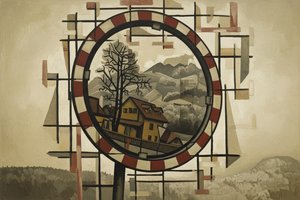
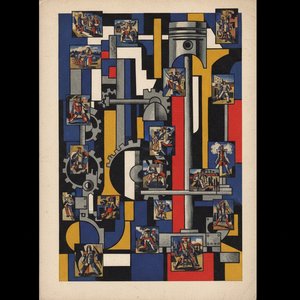
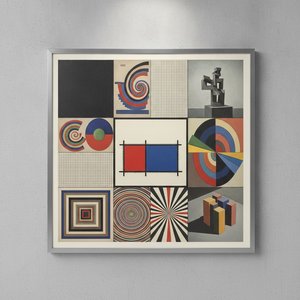
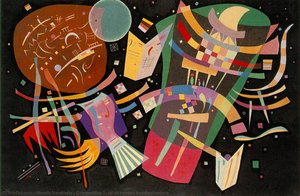
If color provides the soul of an abstract work, then line provides its skeleton and its heartbeat. The history of abstraction is, in many ways, a history of how artists have manipulated the line to express different dimensions of existence. On one end of this spectrum, we find the disciplined, intellectual beauty of geometric abstraction. This movement, rooted in the radical shifts of early 20th-century Cubism, sought to dismantle traditional representation by fracturing objects into essential components. Artists like Piet Mondrian stripped the world down to its most fundamental truths: the vertical and the horizontal, the intersection of pure form and space.
There is a profound sense of order and cosmic stability in geometric works. When you encounter a piece characterized by clean edges and mathematical precision, you are witnessing an attempt to capture a universal visual language. This style offers a sophisticated, architectural calm, making it a favorite for those looking to anchor a modern interior with structure and clarity. It is art that feels known rather than merely seen, providing a sense of permanence and balance.
Conversely, the spectrum shifts dramatically toward the gestural and the spontaneous in movements like Abstract Expressionism. Here, the line is no longer a calculated boundary but an inimitable mark of a human gesture. In the realm of action painting or drip techniques, the line becomes a record of movement—a dance of the artist's hand across the canvas. These energetic, often unpredictable lines create a sense of kinetic tension and raw, unbridled emotion. Whether you are drawn to the serene stability of a geometric grid or the rhythmic, swirling energy of a gestural stroke, the line serves as the essential guide through the abstract landscape.
A Journey of Texture: Exploring Impasto, Drips, and Layered Depth
 Drip painting
Drip painting is a form of art, often abstract art, in which paint is dripped or poured on to the canvas. This style of action painting was experimented with in the first half of the twentieth century by such artists as Francis Picabia, André Masson ...
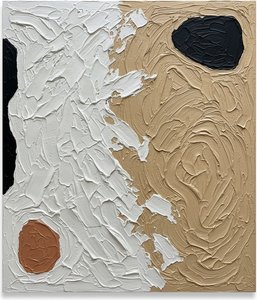
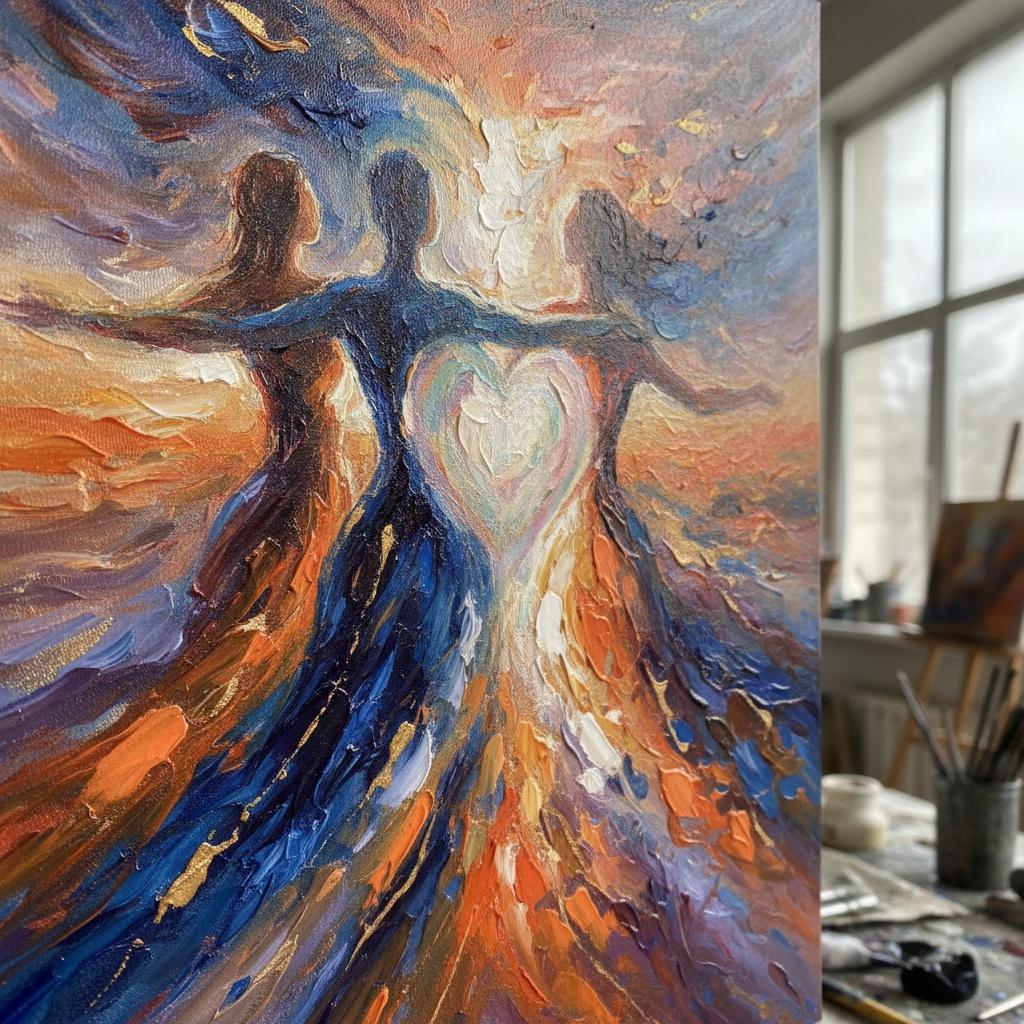
To truly appreciate the mastery of a hand-painted oil reproduction, one must look beyond the surface and into the very topography of the canvas. Abstract art is a tactile experience; it invites the eye to wander over ridges of pigment and valleys of shadow. One of the most captivating elements of this medium is impasto—the technique of applying paint so thickly that it stands out from the surface, creating a sculptural quality. When you observe the visible brushstrokes of a masterwork, you are seeing more than just color; you are seeing the physical weight and history of the artist's process.
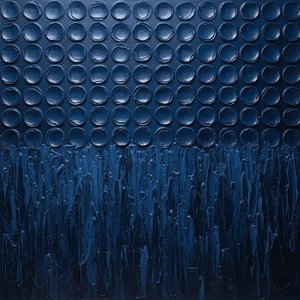
This texture adds a dimension of depth that no digital print can replicate. In high-quality oil paintings, layers of pigment build upon one another, creating a rich, tonal range where light catches the edges of a dried stroke or disappears into a deep, recessed crevice. We see this interplay in contemporary works where nebulous clouds of color emerge from a structured web of lines, or where vertical drips introduce an element of gravity and controlled instability. These drips, reminiscent of the experimental techniques used by artists like Max Ernst, add a sense of organic spontaneity, as if the painting is caught in a moment of perpetual transformation.
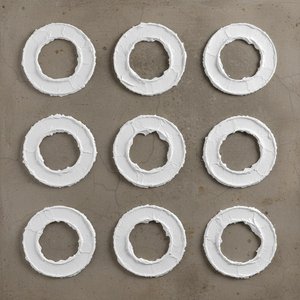
Furthermore, the use of specialized finishes, such as an optional Aged & Cracked (craquelure) effect, can lend an air of historical significance and venerable beauty to a piece. This textural complexity ensures that the artwork remains dynamic, changing its character depending on the angle of light in your room. It is this physical presence—this "soul of the canvas"—that turns a simple decoration into a profound centerpiece of conversation.
Finding Your Resonance: How to Match Abstract Art to Your Home's Mood
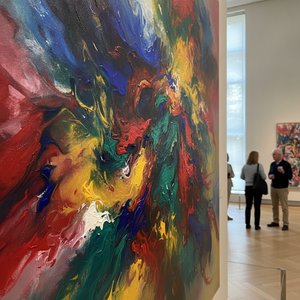 Lyrical Abstraction: The Emotional Power of Color and Form in Modern Art History
The Genesis of Emotion: From Impressionist Light to Abstract Expressionism The Soul of Color: A Journey into the Emotional Resonance of Lyrical Abstraction The Prelude to Abstraction: From Impressionist Light to Pure Emotion Abstract expressionism Ab...
Selecting art for your home is an act of curation that defines the very atmosphere of your living space. For the modern collector, the goal is often to create a sanctuary that reflects personal values and aesthetic harmony. Because abstract art is not tied to specific figures, it offers unparalleled flexibility in interior design. The key is to consider the vibe or emotional resonance you wish to cultivate in each room.
<_p>For a bedroom or a quiet reading nook, you might gravitate toward Lyrical Abstraction or Color Field paintings. These works, characterized by soft, atmospheric gradients and soothing palettes, act as a visual lullaby. Imagine large-scale canvases with gentle washes of blue, lavender, or pale gold, creating a sense of infinite space and tranquility. Such pieces do not demand attention; instead, they envelop the room in a peaceful, meditative glow.In contrast, a living area or an entryway might benefit from the high-energy impact of geometric or gestural abstraction. A multi-panel, large-format piece featuring bold primary colors and sharp, architectural lines can serve as a powerful focal point, injecting vitality and modern sophistication into a wide wall or staircase. If you are looking to create a sense of drama, look for works with high contrast—deep blacks against brilliant whites or intense crimsons—to command the room's attention.
At ArtsDot.com, we believe that finding your perfect match should be an inspiring discovery rather than a daunting task. We encourage collectors to browse by color palette or mood, allowing the art to guide the decision. Whether you are looking for a "monochromatic calm" or a "vibrant explosion," the right abstract piece will feel less like an addition to your decor and more like the missing piece of your home's emotional puzzle.
Curating Emotion: Tips for Building a Meaningful Contemporary Collection
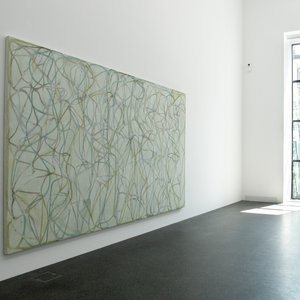 Daros Collection
A Sanctuary of Modern Vision: The Daros Collection Nestled in the heart of Zurich, Switzerland, the Daros Collection stands as a profound testament to the power of private vision and its ability to shape our collective understanding of modern and con...
Building an art collection is a lifelong journey of discovery, a process of accumulating pieces that resonate with your evolving tastes and life experiences. For the beginner collector, the most important advice is to collect what moves you. While it is tempting to follow fleeting trends, the most enduring collections are those built on personal connection and emotional resonance. A collection should tell a story—a narrative of the beauty, textures, and colors that have captured your heart over time.
As you grow your collection, consider the concept of "remixing" history. One of the most exciting frontiers in contemporary collecting is the ability to bridge the gap between the old and the new. Through custom commissions, you can transform a cherished personal photograph into an abstract masterpiece, perhaps requesting the thick, expressive impasto style of Van Gogh or the light-drenched atmosphere of Monet. This allows your collection to be deeply personal, weaving your own milestones into the grand tapestry of art history.
Finally, remember that a well-curated space balances variety with cohesion. You might mix large-scale, multi-panel abstract works with smaller, more intimate studies. You can play with different eras—pairing a geometric modern piece with a textured, gestural contemporary work. By focusing on quality, texture, and the emotional weight of each piece, you will create a collection that does more than just decorate a wall; it will transform your home into a gallery of profound, lived experience. For expert guidance on how to integrate these pieces into your specific space, our professional art consultants are always here to help you navigate your unique visual journey.
Discover your next masterpiece at ArtsDot.com — The Welcoming Discovery Store.