Beyond the Visible: Defining the Soul of Expressionism
 Figurative Expressionism: Emotional Intensity & Subjective Reality in 20th-Century Art
The Genesis of Expressionism: From Inner Turmoil to Artistic Revolt Wikipedia: Expressionism Expressionism is a modernist movement, initially in poetry and painting, originating in Northern Europe around the beginning of the 20th century. Its typical...
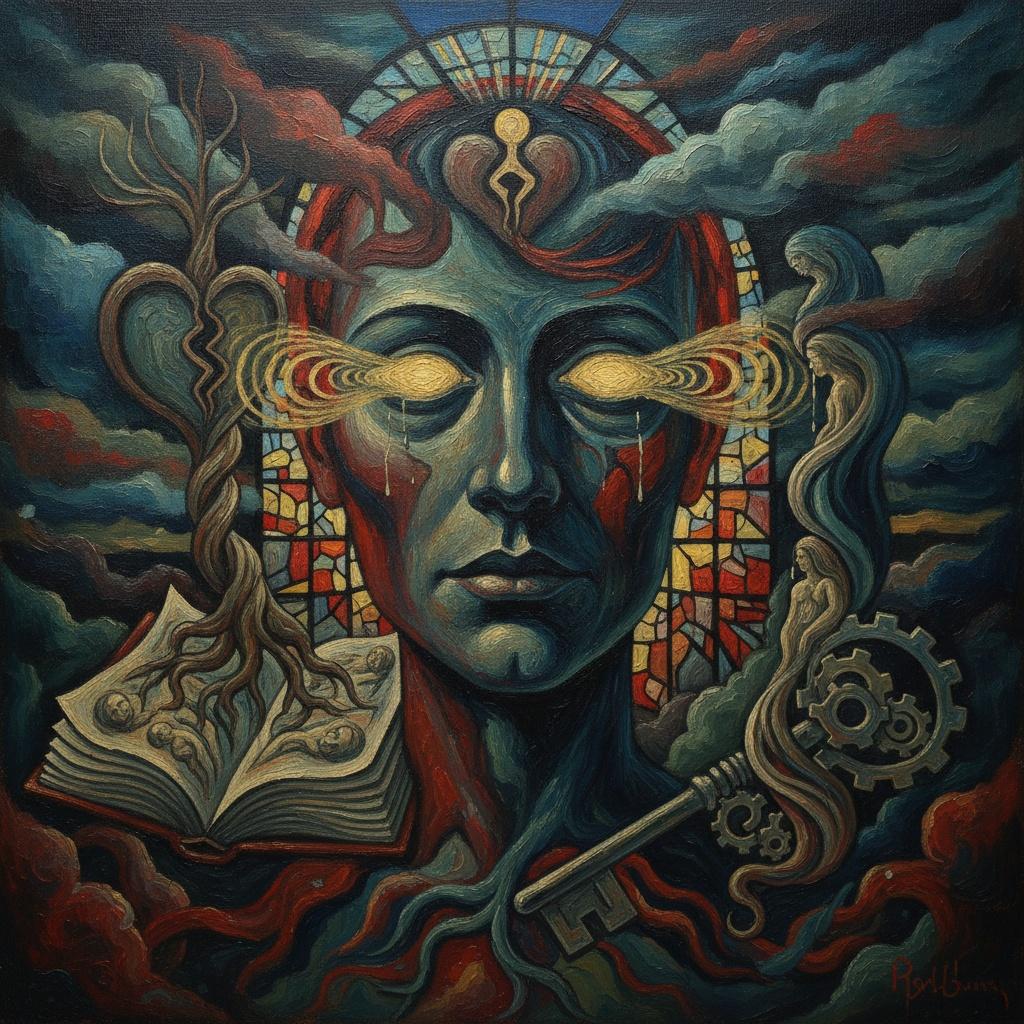
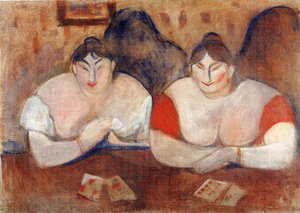
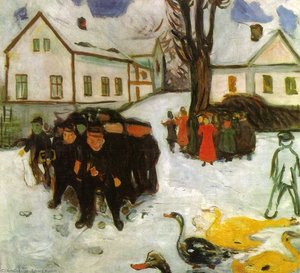
To step into the world of Expressionism is to abandon the comfort of a mirror and instead embrace the intensity of a heartbeat. While traditional art often seeks to capture the precise anatomy of a landscape or the delicate light upon a sitter, Expressionism emerged at the dawn of the 20th century with a far more radical ambition. It was not interested in how the world looked, but rather how the world felt during a period of profound societal upheaval. As industrialization accelerated and political tensions simmered across Europe, artists began to feel a growing sense of alienation and psychological unrest. They sought to present reality through a subjective lens, often distorting shapes and colors to mirror the turbulent inner landscapes of the human psyche.
This movement was less a unified school of thought and more a shared, visceral reaction to the modern condition. It was an artistic revolt against the objective, the polished, and the predictable. By prioritizing emotional experience over anatomical accuracy, Expressionism allowed for a new kind of truth—one that resides in the shadows of anxiety, the brightness of ecstasy, and the raw ache of longing. For the contemporary enthusiast, understanding this movement means learning to look past the surface of the canvas to find the pulse of human emotion vibrating beneath the paint.
The Language of Color and Form: Decoding Symbolic Meaning
Expressionism is an art style where artists depict subjective emotions and responses to objects and events rather than objective reality. They achieve this ...
In an Expressionist masterpiece, color is never merely decorative; it is a vocabulary of the soul. When you encounter a sky that burns with an unnatural, fiery orange or a face cast in sickly, melancholic greens, the artist is communicating through a symbolic shorthand. This use of non-naturalistic, intense color serves to bypass the intellect and strike directly at the emotions. A deep, brooding blue might evoke the weight of sorrow, while a jagged, electric yellow could signal a sudden burst of nervous energy or dread. The colors are chosen for their psychological resonance rather than their fidelity to nature.
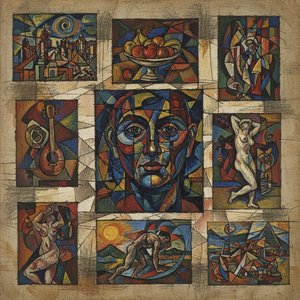
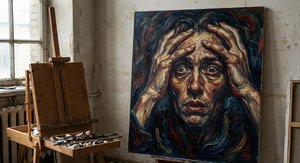
Complementing this chromatic intensity is the deliberate distortion of form. Lines in Expressionist works often appear agitated, swirling, or sharply fractured, much like the fragmented thoughts of a restless mind. Shapes may stretch, melt, or collide, creating a sense of movement and instability that mirrors the fluidity of feeling. This technique, often referred to as Figurative Expressionism when recognizable subjects remain, uses the human figure as a vessel for these distortions. By warping the physical body, artists can illustrate the crushing weight of grief or the expansive lightness of joy, making the invisible visible through the medium of paint.
Masters of Inner Turmoil: From Edvard Munch to Marianne von Werefkin
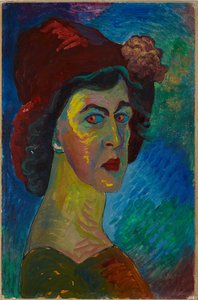 Marianne von Werefkin
A Pioneer of Expressionism: The Life and Art of Marianne von Werefkin Marianne von Werefkin, born Marianna Wladimirowna Werewkina in Tula, Russia, in 1860, stands as a pivotal yet often overlooked figure in the genesis of Expressionism. Her journey w...
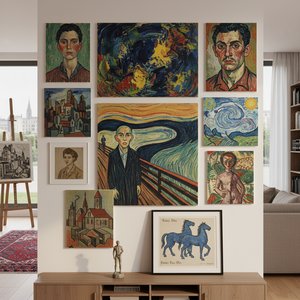
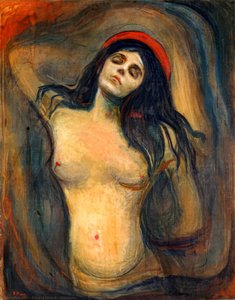
Few names resonate with the haunting power of Expressionism quite like Edvard Munch. His work serves as a foundational pillar for anyone exploring this genre, particularly his ability to translate personal trauma into universal symbols. In works such as The Scream or Self-Portrait, Munch utilizes swirling, rhythmic lines and a somber palette to evoke a sense of existential dread. His paintings do not just depict a person in distress; they embody the very essence of anxiety, pulling the viewer into a shared state of psychological vulnerability.
Yet, the movement was enriched by voices that brought their own unique histories to the canvas. Consider the pivotal role of Marianne von Werefkin, a pioneer whose journey from Russian Realism to radical innovation helped shape the very genesis of the movement. Her art, born from a life of personal resilience and profound change, utilized flattened forms and bold, symbolic colors to explore deep-seated visions. Alongside other luminaries like Ernst Ludwig Kirchner, these artists created a chorus of voices that moved away from the academic constraints of the past, proving that the most profound truths are often found in the most distorted reflections.
From Canvas to Emotion: How Figurative Expressionism Connects with Modern Living
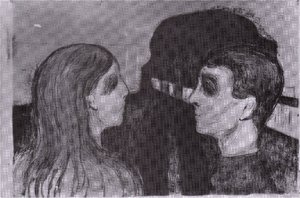 Lovers on the beach II
Introduction to Expressionism and Figurative Expressionism Expressionism is a modernist movement that emerged in the early 20th century, characterized by its emphasis on emotional experience and subjective interpretation. The movement encompassed var...
While the origins of Expressionism are rooted in the early 20th century, its resonance in modern living is surprisingly profound. In an era where we are constantly bombarded by hyper-realistic digital imagery, there is a deep, soulful craving for the tactile and the emotive. This is why Figurative Expressionism continues to captivate contemporary collectors. It offers a reprieve from the sterile and the literal, providing instead a way to decorate our spaces with pieces that possess character, depth, and a sense of narrative.
Integrating these works into a modern home allows for a sophisticated interplay between tradition and modernity. An Expressionist piece can act as an emotional anchor in a room, providing a focal point that invites contemplation rather than just observation. Whether it is the raw energy of a textured oil painting or the symbolic weight of a portrait, these artworks bridge the gap between the historical era of their creation and our contemporary search for meaning. They remind us that even in a rapidly changing world, the fundamental human emotions—love, fear, joy, and solitude—remain constant.
Curating a Mood: Bringing Expressive Energy into Your Home Decor
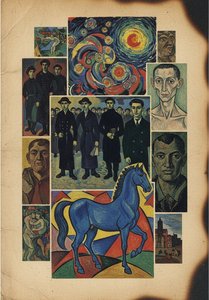 German Expressionism's 10 Defining Masterpieces | Art for Your Home
Introduction To gaze upon the canvases born from the heart of German Expressionism is to encounter a raw, visceral echo of a world on the brink. These weren’t paintings merely depicting reality; they were reality – or rather, the tumultuous inner lan...
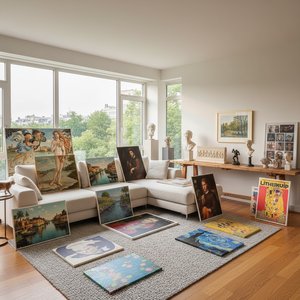
Bringing the power of Expressionism into your personal sanctuary is an exercise in intentional curation. When selecting art for your home, think beyond mere color matching; consider the vibe or the emotional atmosphere you wish to cultivate. For a bedroom intended as a place of rest, a more muted, blue-toned Expressionist landscape might offer a sense of calm and introspection. Conversely, a living area designed for social energy could be transformed by a bold, high-contrast piece that sparks conversation and vitality.
For those looking to experiment with this style, the possibilities are endless. You might choose to explore multi-panel layouts, splitting a large, emotive landscape across three or five canvases to create a dramatic architectural statement on a wide wall. Or, perhaps you wish to personalize the experience through custom reproductions, where a cherished photograph is reimagined with the thick, impasto brushstrokes and vibrant palette of an Expressionist master. By treating your walls as a canvas for emotional expression, you transform a house into a home that truly reflects the depth of your own inner world.
At ArtsDot.com, we believe that fine art should be an accessible discovery for everyone. Whether you are looking to commission a bespoke oil painting from a personal photo or seeking expert guidance on how to place a masterpiece in your living room, our team is here to help you navigate the beautiful complexities of art history and interior design. Explore our collections today and find the piece that speaks to your soul.