The Tactile Revolution: Why Textile Art is the Soul of a New Home
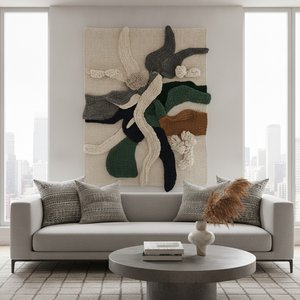 Beyond Canvas: Why Textile Art is the Next High-Impact Trend for Modern Interior Design
The Texture Revolution: Why Flat Canvas is Getting a 3D Upgrade For decades, the art world has been dominated by the two-dimensional plane, a sleek and polished surface where pigment meets canvas in a silent dialogue of color and form. But as our liv...
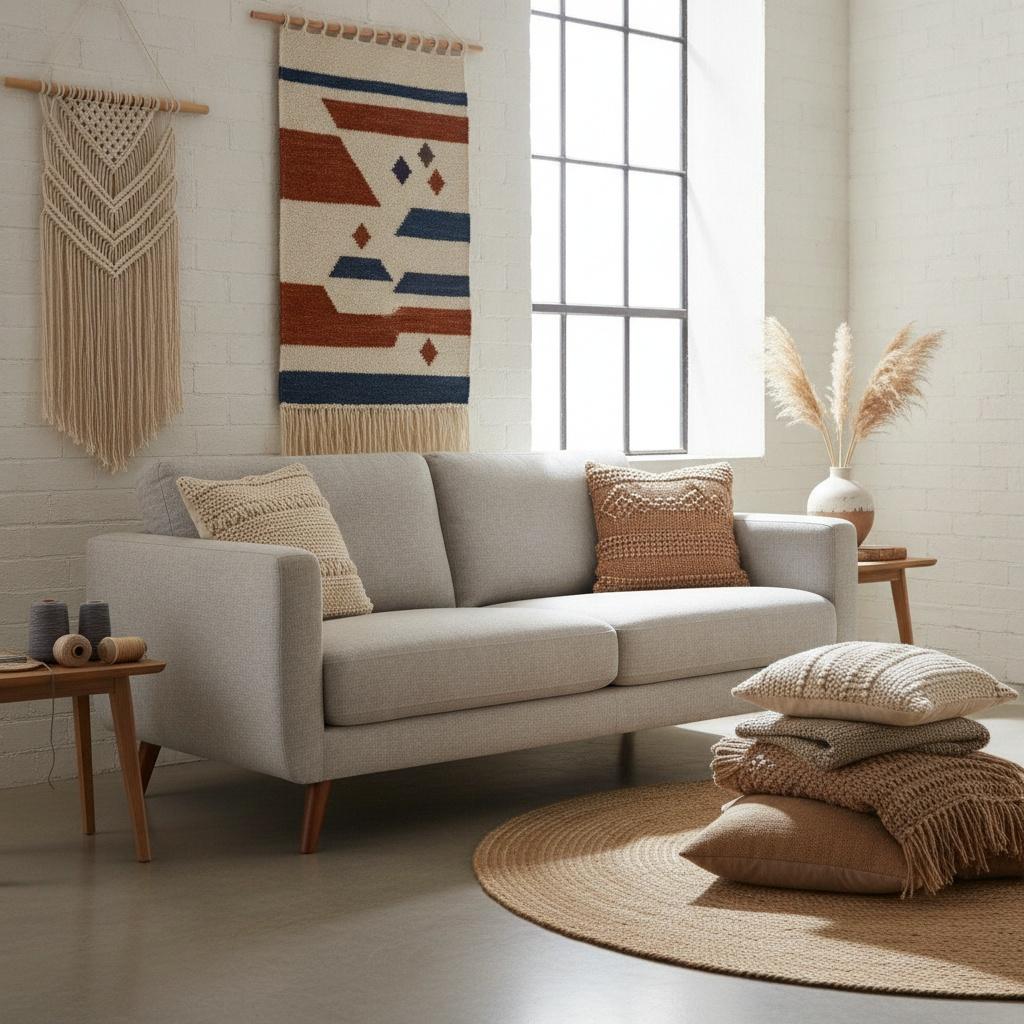
Stepping into a newly shared home is a profound milestone, a moment where every corner holds the potential for a new memory. As you begin to curate your sanctuary, you may find that while a sleek painting commands the eye, it is often the softer, more intimate elements that truly ground a room. This is the essence of the tactile revolution currently sweeping through modern interior design. We are moving away from the era of flat, untouchable images and toward a more immersive, sensory environment where art demands to be felt as much as seen.
Textile art offers a unique ability to bridge the gap between the ephemeral and the enduring. While traditional fine arts like oil painting or marble sculpture often command attention through pigment and mass, textile art invites a deeper, more visceral engagement. It possesses a singular power to articulate even the hardest truths of our history through the softness of fiber. For a newlywed couple, introducing woven elements into your living space provides an immediate sense of warmth and "lived-in" luxury, transforming a house into a home that feels both sophisticated and profoundly welcoming.
From Tapestries to Sculptures: Exploring Different Types of Woven Masterpieces
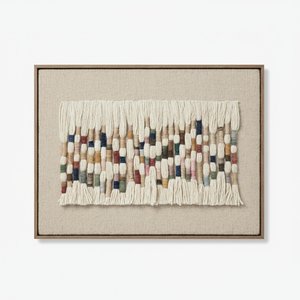
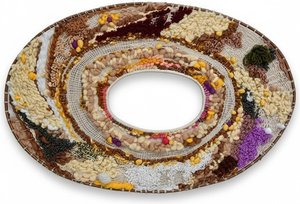 Handwoven Seed & Fiber Wall Tapestry - Organic Texture Art
A Symphony of Natural Textures This captivating wall tapestry is more than a decorative element; it’s a handcrafted textile sculpture that brings the serenity of nature indoors. Constructed from a rich palette of mixed media – including carefully sel...
To embark on a journey through the world of textiles is to witness the very genesis of human narrative. For centuries, the interlacing of warp and weft has served as an intricate vocabulary of existence. Historically, tapestries were far more than mere decorative hangings; they were portable expressions of power and storytelling. Consider the legendary Flemish Manufacture of the 16th and 17th centuries, where skilled weavers acted as storytellers, translating complex designs into breathtaking narratives that adorned European palaces. These pieces could insulate stone walls and commemorate significant historical events, much like how a beautiful tapestry today can anchor a large, modern wall in your dining room.
Beyond the grand scale of traditional tapestries, the medium has evolved into what we now recognize as textile sculpture. Modern artisans are pushing the boundaries of the loom, creating pieces that utilize a rich palette of mixed media. Imagine a wall hanging that incorporates carefully selected seeds, robust twine, and delicate dried grasses—a symphony of natural textures that brings the serenity of the outdoors inside. From the intricate embroidery traditions found in museums like St. Gallen to the organic, three-scale compositions of contemporary fiber art, the variety is endless. Whether you are drawn to the historical weight of an embroidered cloth or the bohemian charm of a handwoven seed and fiber piece, there is a woven wonder to match every mood.
Curating Your Space: How to Match Textile Textures with Your Interior Design Style
 Fiber art
Fiber art (fibre art in British spelling) refers to fine art whose material consists of natural or synthetic fiber and other components, such as fabric or yarn. It focuses on the materials and on the manual labor on the part of the artist as part of ...
Integrating textile art into your decor requires a delicate balance of texture, color, and composition. For those decorating their first home, the goal is often to create a cohesive aesthetic that feels intentional rather than accidental. If your interior leans toward a minimalist or modern aesthetic, consider the impact of multi-panel textile arrangements. Splitting a larger design across three or four panels can create a contemporary architectural look that adds depth without overwhelming the room's clean lines.
If you prefer a more rustic or organic vibe, look for pieces that emphasize earthy tones—beiges, creams, and ochres—accented with subtle hints of sage green or terracotta. The interplay of materials is key; a piece featuring the gentle roughness of natural jute balanced by the soft warmth of silk can provide an exceptional tactile experience. When selecting art, do not be afraid to use color as your guide. Browsing by color palette allows you to find pieces that harmonize with your existing furniture, such as pairing a textured cream weaving with natural wood elements or dark espresso frames for a striking contrast.
A Beginner's Guide to Sourcing and Preserving Fine Fiber Arts
 Textile Museum St. Gallen
A Journey Through Textile Heritage: Exploring the Textile Museum St. Gallen The Textile Museum St. Gallen stands as a beacon of artistic and cultural preservation, nestled in the picturesque Swiss Canton of St. Gallen. Founded in 1878 by Emil Körner,...
As you begin to collect, it is important to distinguish between mass-produced decor and true fine art. True textile art focuses on the materials and the manual labor of the artist as part part of the work's significance. When sourcing, look for pieces that celebrate the weaver's legacy—works where every knot represents a moment in time. High-quality textiles often utilize natural fibers like wool, linen, or silk, which offer a much richer tonal range and durability than synthetic alternatives.
Preservation is equally vital to protecting your investment. To ensure your woven treasures remain vibrant for generations, follow these essential care guidelines:
- Avoid Direct Sunlight: Prolonged exposure to UV rays can fade the delicate organic dyes used in many fine textiles.
- Control Moisture: Ensure your hanging textiles are kept in a dry environment to prevent any degradation of natural fibers or growth of mold.
- Gentle Maintenance: For textured pieces, a light dusting with a soft brush is often all that is required to maintain their luster.
- Proper Mounting: For heavier tapestries, ensure they are hung on sturdy rods or frames that distribute weight evenly to prevent stretching or warping over time.
Creating a Legacy: Integrating Heirloom-Quality Textiles into Your First Home
 Bayeux Tapestry
The Bayeux Tapestry is an embroidered cloth nearly 70 metres (230 feet) long and 50 centimetres (20 inches) tall that depicts the events leading up to the Norman Conquest of England in 1066, led by William, Duke of Normandy, challenging Harold II, Ki...
Ultimately, the art you choose for your first home becomes part of your personal history. Just as the Bayeux Tapestry tells the story of a conquest from centuries ago, the textiles you select today will eventually become the heirlooms of tomorrow. There is a profound beauty in choosing pieces that possess "soul"—works that reflect your shared values, travels, and aspirations as a couple.
Whether it is a custom commission that transforms a personal wedding photo into a textured masterpiece or a carefully selected vintage-style weaving that honors a specific cultural heritage, these objects serve as the anchors of your domestic life. As you continue to grow and evolve, your collection will expand, layer by layer, much like the warp and weft of a well-crafted tapestry. By investing in quality, texture, and narrative, you are not just decorating a room; you are weaving the very fabric of your future legacy.
At ArtsDot.com, we believe that fine art should be an accessible discovery for everyone. Whether you are looking to browse by color, mood, or room type, our platform is designed to help you build confidence in your artistic journey. From museum-quality prints to breathtaking custom reproductions, we invite you to find the woven wonders that will make your new house a true home.