

The Psychology of First Impressions: Setting the Stage with Lobby Art
In psychology, a first impression is the event when one person first encounters another person and forms a mental image of that person. Impression accuracy varies depending on the observer and the target (person, object, scene, etc.) being observed. ...
The threshold—that liminal space between the everyday world and the curated sanctuary of a hotel—holds an extraordinary power. It is here, in the lobby, that first impressions are forged, judgments silently rendered within milliseconds. More than simply a place to check in, the modern hotel lobby functions as a carefully orchestrated prologue to the guest experience, and at its heart lies art. For centuries, spaces intended for welcome have been adorned with imagery designed not just to please the eye but to communicate status, aspiration, and a sense of belonging. Consider the grand palazzi of Renaissance Italy, their walls echoing with frescoes celebrating lineage and power; or the opulent Victorian railway hotels, where paintings depicted romanticized landscapes promising adventure and escape. These were not accidental choices, but deliberate attempts to shape perception from the moment of arrival.
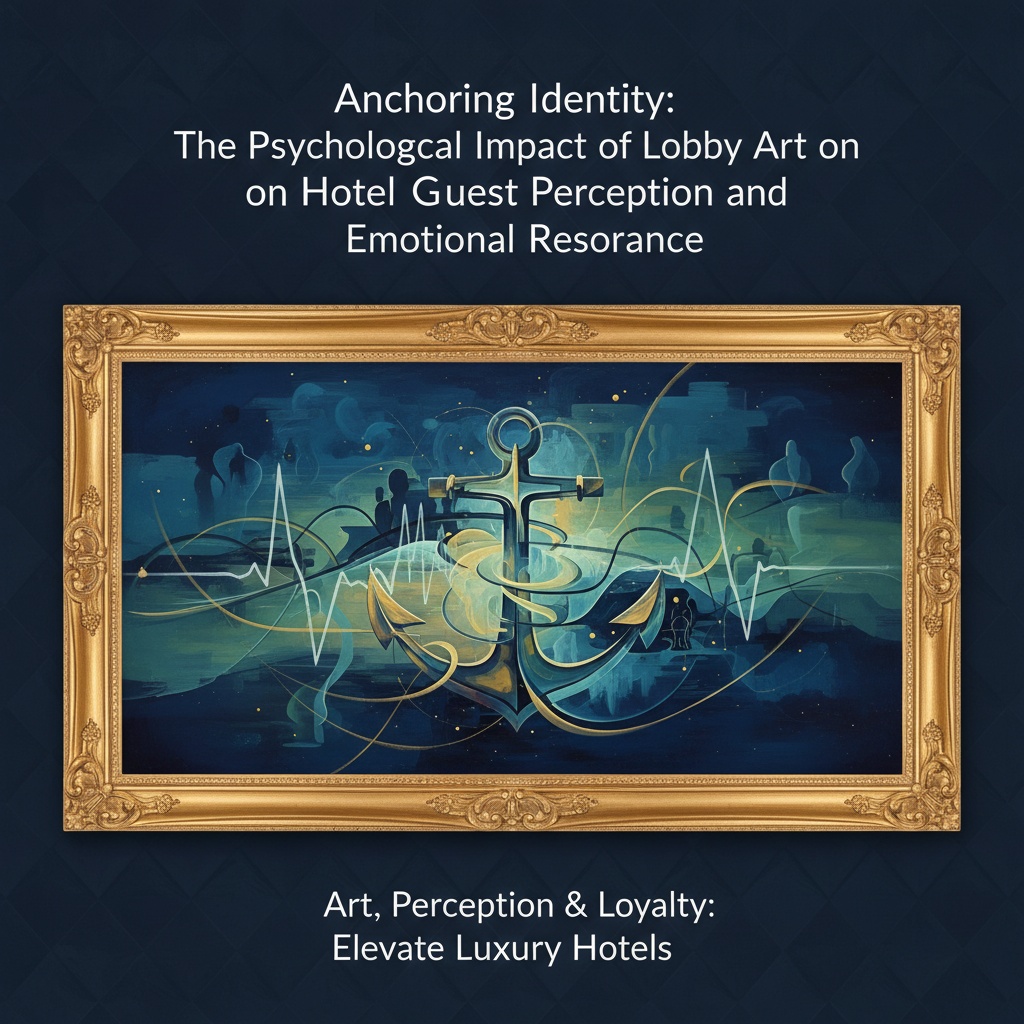
The science confirms what intuition long suggested: initial assessments occur at astonishing speed—a mere tenth of a second, as research in psychology demonstrates. This ‘anchoring effect’ means that those first visual cues heavily influence subsequent interpretations. A lobby dominated by stark minimalism might signal cutting-edge sophistication, while one embracing warm textures and classical motifs evokes tradition and comfort. The artwork becomes the primary nonverbal communicator, establishing expectations before a single word is exchanged. It's a subtle but profound act of storytelling, setting the narrative for the stay to come. The brain seeks coherence; if the lobby aesthetic promises luxury, guests will subconsciously interpret other elements—service quality, room amenities—through that lens. A discordant note, an ill-considered piece, can undermine this carefully constructed illusion before guests even reach the reception desk.
But what constitutes ‘good’ art in this context? It's not simply a matter of personal taste. The most effective lobby artwork is strategically aligned with the hotel’s brand identity, subtly reinforcing its core values and unique positioning within the market. A boutique hotel championing local artisans might showcase emerging regional talent, while a global luxury chain could opt for established masters or contemporary works that resonate across cultures.
Color & Emotion: Curating Palettes for Guest Comfort and Brand Resonance
Beyond subject matter, color wields an immense psychological influence. The interplay of hues within the lobby space profoundly impacts emotional response and overall perceptions of comfort. Warm tones—golds, ochres, russets—are instinctively associated with feelings of warmth, relaxation, and welcome. They evoke a sense of intimacy and security, encouraging guests to linger and feel at ease. Conversely, cooler shades—blues, grays, greens—can project an air of serenity or sophistication, but risk feeling sterile or distant if not carefully balanced. Research consistently demonstrates that warm colors enhance guest comfort levels significantly compared to their cooler counterparts.
The principles of color psychology extend beyond individual preferences; they are rooted in our evolutionary history and cultural associations. Earth tones, for example, connect us to the natural world, fostering a sense of grounding and stability. Muted palettes often convey understated elegance, while bold contrasts can signal energy and vibrancy. The key lies in understanding the target demographic and aligning color choices with their expectations. A hotel catering to business travelers might favor calming blues and grays to promote focus and productivity, whereas a resort targeting families could opt for warmer, more playful hues.
Furthermore, consider the interplay of light. Artwork must be adequately illuminated to showcase its details and colors accurately. Poor lighting can diminish the impact of even the most exquisite piece, creating a sense of flatness or distortion. Normal illuminance—balanced, natural-looking light—is crucial for maximizing visual comfort and ensuring that artwork is perceived as intended.
Art as Identity: Reflecting Hotel Values Through Strategic Selection
 Atmospheric Harmony: Curating Art Packages to Elevate Hotel Guest Experience & Brand Identity
Elevate your hotel guest experience with strategic art curation. Discover how to enhance brand identity, create emotional resonance & maximize ROI through expertly sourced artwork. A guide for hoteliers and designers.
The relationship between art and brand identity is not merely cosmetic; it’s a fundamental aspect of hospitality design. A cohesive art program should actively communicate the hotel’s core values, unique positioning, and overall aesthetic philosophy. Whether working with established luxury brands or independent boutique hotels, understanding the underlying personality is paramount. Established brands often have detailed guidelines specifying color palettes, emotional tones, and artistic styles. The challenge lies in aligning artwork with these parameters while maintaining a sense of freshness and originality.
For independent hotels, the opportunity—and responsibility—lies in defining that identity through design choices. Art becomes a primary tool for establishing character and market position. Is the hotel positioning itself as a cultural destination? A serene retreat? An urban energy hub? The artwork should consistently answer this question throughout the space. Custom art commissions can be particularly effective, allowing for unique pieces that reflect the hotel’s specific location or history. Consider a hotel nestled in the heart of a historic district commissioning local artists to create works inspired by the surrounding architecture and culture.
The selection process should also consider the narrative the hotel wishes to convey. Abstract art can be particularly versatile, allowing for diverse interpretations across cultures and appealing to a broad range of tastes. Figurative works, on the other hand, can evoke specific emotions or tell compelling stories. The goal is to create a visual experience that resonates with guests on an emotional level, reinforcing their connection to the brand.
Navigating the Guest Journey: Art Placement for Impactful Experiences
The hotel lobby isn’t a static space; it's a dynamic environment where guests engage in multiple activities—from initial arrival and check-in to waiting for transportation or enjoying a pre-dinner drink. Art selection must support each of these stages, creating a seamless and engaging experience. The artwork encountered immediately upon entry sets the tone for the entire stay, communicating the property’s character at a glance. Pieces with immediate visual impact—large-scale abstracts, striking sculptures—command attention and create a memorable first impression.
Strategic placement can subtly guide guest movement through the space, creating visual destinations and making large lobbies feel more intimate. Significant works near seating areas reward longer viewing, offering layers of detail or meaning that reveal themselves over time. Artwork should also complement the functional aspects of the lobby—highlighting key areas like reception desks or concierge services. In today’s social media-driven world, artwork often becomes one of the most photographed elements of the property. Consider how pieces will read in photos and contribute to the hotel’s visual brand across digital channels.
The scale of the artwork is also crucial. Large lobbies require significant pieces that can command attention without feeling overwhelming, while smaller spaces benefit from more intimate works that don’t dominate the environment. The goal is to create a harmonious balance between art and architecture, ensuring that each element enhances the overall guest experience.
Cultural Sensitivity in Hospitality Design: Welcoming a Global Audience
Luxury hotel guests represent a diverse range of cultural backgrounds, expectations, and aesthetic preferences. Art selections must resonate across these differences without defaulting to bland or universally acceptable work that sacrifices character for safety. The challenge lies in creating a visually engaging environment that is inclusive and welcoming to all visitors.
The solution isn’t to avoid cultural specificity but rather to embrace it thoughtfully. Artwork that celebrates local artists, regional traditions, or the property’s specific location often resonates deeply with guests. However, it’s crucial to approach this with respect and sensitivity, avoiding stereotypes or appropriation. Researching the cultural context of artwork is essential, ensuring that it is presented in a meaningful and appropriate manner.
Abstract art can be an excellent choice for its inherent ambiguity, allowing for diverse interpretations across cultures. It avoids specific narratives or symbols that might be misinterpreted or offensive. The key is to create a visual experience that fosters curiosity and appreciation, rather than imposing a particular worldview. Furthermore, consider incorporating artwork from different cultural traditions, creating a sense of global harmony and inclusivity.
Beyond Aesthetics: Integrating Art with Lobby Architecture & Lighting
The most successful lobby art programs transcend mere decoration; they are seamlessly integrated with the surrounding architecture and lighting, creating a holistic and immersive experience. The physical characteristics of the space—size, shape, materials—significantly influence artwork selection. Large lobbies require significant pieces that can command attention without feeling overwhelming, while smaller spaces benefit from more intimate works that don’t dominate the environment.
Lighting plays a crucial role in showcasing artwork; ensure that it is adequately illuminated to highlight its details and colors accurately. Poor lighting can diminish the impact of even the most exquisite piece, creating a sense of flatness or distortion. Consider the architectural style of the lobby—contemporary spaces often lend themselves to abstract or minimalist art, while traditional lobbies might be better suited for classical or figurative works.
Ultimately, the goal is to create a harmonious visual relationship between the artwork and the surrounding environment. This requires careful consideration of scale, proportion, color palette, and texture. By thoughtfully integrating art with architecture and lighting, designers can transform the lobby into a captivating sanctuary that resonates deeply with guests, leaving a lasting impression long after they’ve checked out. At ArtsDot.com, we offer a curated selection of museum-quality reproductions and custom artwork to help you achieve this vision, providing expert guidance and personalized solutions for hotels of all sizes and styles.