The New Avant-Garde: Redefining Hospitality Through Immersive Mural Art
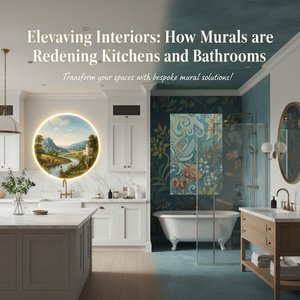
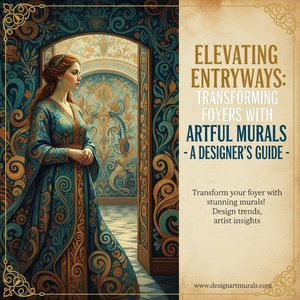
In the contemporary landscape of luxury hospitality, the distinction between a mere room and an unforgettable experience lies within the sensory depth of the environment. For the discerning hotel designer, walls are no longer passive boundaries; they have become the primary canvas for storytelling and brand identity. We are currently witnessing a profound shift toward immersive mural art—a movement that transcends simple decoration to create architectural atmospheres that envelop the guest in a curated narrative. This new avant-garde approach moves away from the static and the predictable, favoring instead works that command attention through scale, texture, and emotional resonance.
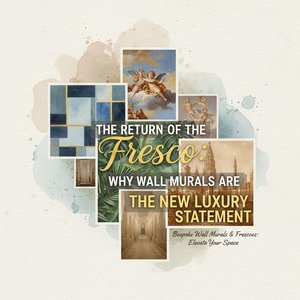
The evolution of this trend is rooted in the desire for authenticity in an increasingly digital age. As travelers seek out "Instagrammable" moments that feel grounded in physical reality, the role of the muralist becomes central to the designer's toolkit. By integrating large-scale works—ranging from sweeping frescoes to textured wood mosaics—designers can manipulate the perceived volume of a lobby or the intimacy of a suite. This is not merely about filling space; it is about the strategic use of visual weight to guide the guest's journey through a property, using art as a silent concierge that sets the tone for luxury and repose.
Botanical Jungles: Cultivating Biophilic Luxury in Hotel Interiors
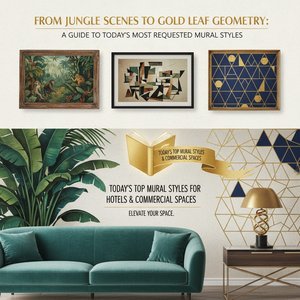
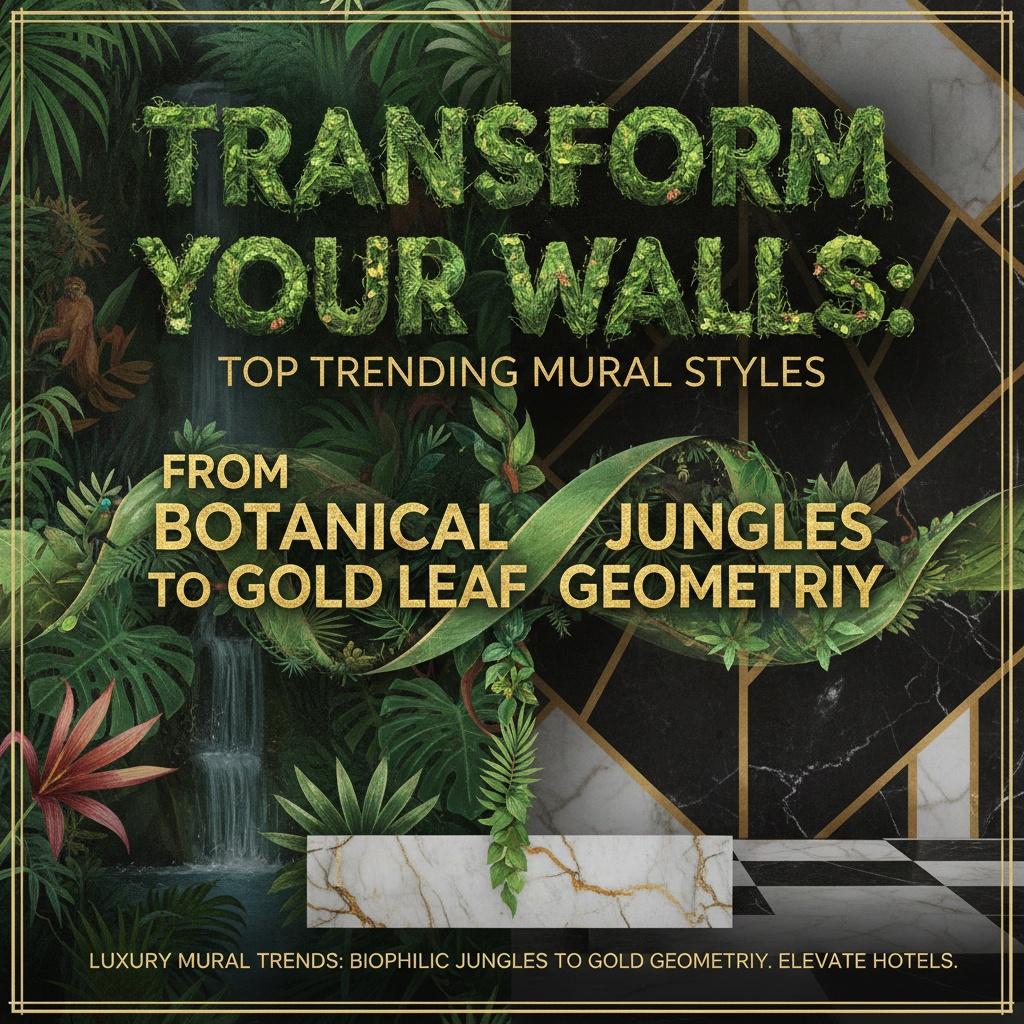
Perhaps the most potent trend currently reshaping high-end interiors is the resurgence of biophilic design, manifested through lush, botanical mural landscapes. These "botanical jungles" serve a dual purpose: they provide a visual escape from the urban concrete and tap into the primal human connection to nature. In a luxury hotel context, this is achieved not through literal greenery, but through sophisticated, painterly interpretations of flora. Imagine a grand ballroom adorned with oversized, hand-painted tropical leaves in muted, deep emeralds and forest greens, creating a sense of sanctuary and organic opulence.
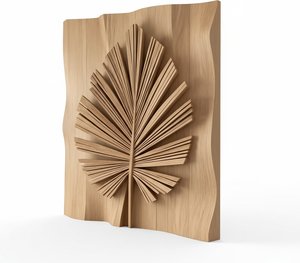
The symbolism of the botanical mural is one of vitality and renewal. When executed with professional finesse—utilizing subtle tonal shifts and layered depth—these murals can transform a sterile corridor into an enchanted woodland. The trend has moved beyond simple floral prints toward more complex, abstract botanical sculptures and textured wall panels that mimic the organic flow of nature. By blending soft, muted greens with unexpected textures, designers can evoke a sense of calm that is essential for wellness-focused hospitality, allowing the architecture to breathe alongside its inhabitants.
Geometric Elegance: The Rise of Gold Leaf and Sculptural Wall Textures
Contrasting the organic fluidity of botanical themes is the striking precision of gold leaf geometry. This style speaks to a more structured, neoclassical luxury, where mathematical perfection meets opulent materiality. We are seeing an increasing demand for murals that utilize metallic accents—not as mere highlights, but as structural elements of the design. The interplay of light across a gold-leafed geometric pattern can dramatically alter the mood of a space throughout the day, catching the morning sun in a breakfast lounge or reflecting the soft amber glow of evening chandeliers in a cocktail bar.
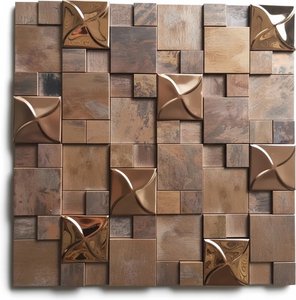
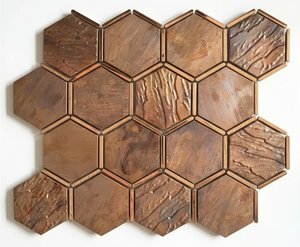
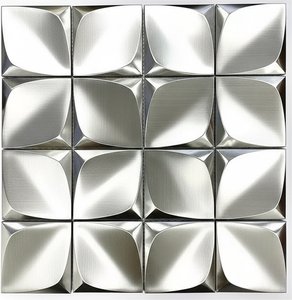
This trend is deeply intertwined with the concept of sculptural texture. It is no longer enough for a mural to be visually interesting; it must be tactile. The integration of geometric wood mosaics and raised, gilded surfaces adds a three-dimensional quality that challenges the flatness of traditional wallpaper. This approach creates a rhythmic visual language, where shadows cast by the relief work become part of the art itself. For the hotel designer, this provides a way to introduce movement and architectural interest without the need for heavy, permanent structural changes.
Architectural Depth: Integrating Abstract Wood Mosaics and Textured Panels
To achieve true architectural depth, the modern designer is increasingly looking toward the marriage of natural materials and abstract expressionism. The use of textured abstract wood panels—particularly in palettes of forest green, white, and beige—offers a way to introduce warmth and "Nordic modernism" into a space. These pieces act as functional art, where the grain of the wood and the deliberate application of pigment create a landscape of ridges and valleys that invite touch.
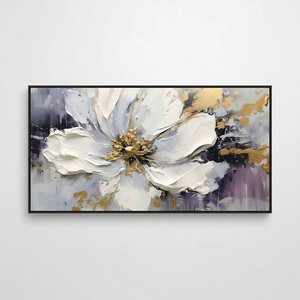
This movement toward materiality is a reaction against the ephemeral nature of mass-produced decor. By utilizing elements like beige geometric wood mosaics or heavy-bodied impasto techniques, a designer can ground a room in a sense of permanence and craftsmanship. These textured installations serve as anchors for the entire interior scheme, providing a sophisticated backdrop that complements high-end furniture and lighting. The goal is to create a layered environment where the wall itself feels like a curated object of art, contributing to the overall structural integrity of the design concept.
The Curator’s Edge: Customizing Large-Scale Murals for Bespoke Brand Identities
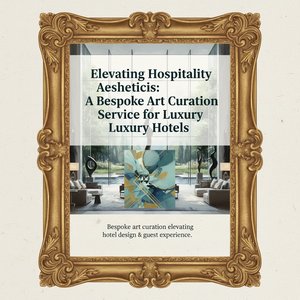
For the elite hospitality brand, the ultimate luxury is exclusivity. The ability to commission bespoke large-scale murals allows a designer to move beyond existing trends and create something entirely unique to the property's DNA. This might involve "remixing" art history—for instance, taking a contemporary photograph of the hotel’s specific location and having it reimagined in the light-drenched style of Monet or the dramatic, textured impasto of Van Gogh. Such customization ensures that the artwork is not just a decoration, but a proprietary element of the brand's visual identity.
This level of curation extends to the very scale of the work. The "multi-panel" trend, where a single grand image is split across three, four, or even five panels, allows for the coverage of vast staircases and expansive lobby walls. This technique breaks down the monumental scale into digestible, rhythmic segments that maintain visual cohesion while adding a modern, architectural edge. When a designer can control everything from the color palette to the specific brushstroke density, they are no longer just decorating a room; they are composing an environment.
From Concept to Installation: Executing High-End Art Commissions in Luxury Spaces
The transition from a visionary concept to a physical reality requires meticulous coordination and a deep understanding of fine art logistics. For professionals managing large-scale hotel renovations, the execution of mural art involves much more than simple hanging. It requires a partnership with master artists who understand the complexities of large-format canvas rolls and architectural frescoes. These works must be engineered to withstand the rigors of high-traffic environments while maintaining their delicate aesthetic appeal.
The process begins with professional digital mockups, allowing designers to visualize the composition within the actual space before a single drop of paint is applied. This stage is crucial for ensuring color accuracy and scale alignment with existing architectural features. Once approved, the creation of hand-painted oils on 100% cotton canvas ensures a depth of tone and a visible brushstroke that no digital print can replicate. As these masterpieces are rolled onto industrial-grade tubes and shipped globally, they arrive ready to be installed with the same precision as high-end wallpaper, forever transforming the walls into a legacy of art and elegance.
For those seeking to bring these transformative visions to life, ArtsDot.com offers an unparalleled gateway to global artistic mastery. From custom portrait commissions that turn personal milestones into historical masterpieces to large-scale architectural murals designed for the world's most prestigious hotels, ArtsDot provides the expertise, the technology, and the human craftsmanship required to redefine the boundaries of interior design.