
The Baroque Aesthetic: Implementing Dramatic Depth in Hospitality Design
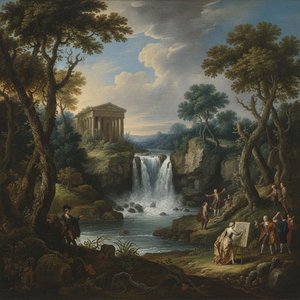 Drama in Nature: The Captivating Grandeur of Baroque Landscapes and the Art of Emotional Spectacle
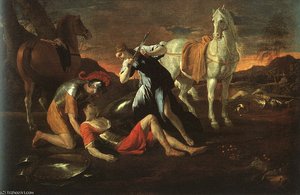
The Seismic Shift: From Renaissance Harmony to Baroque Emotion The Visceral Stage: Exploring Dramatic Narratives & Emotional Intensity in Baroque Art The Baroque Embrace of Emotion: A Shift from Renaissance Rationality Wikipedia: Baroque painting Bar...
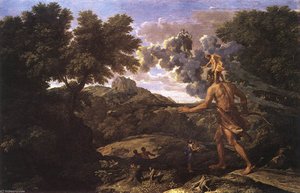
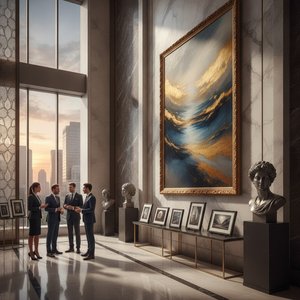
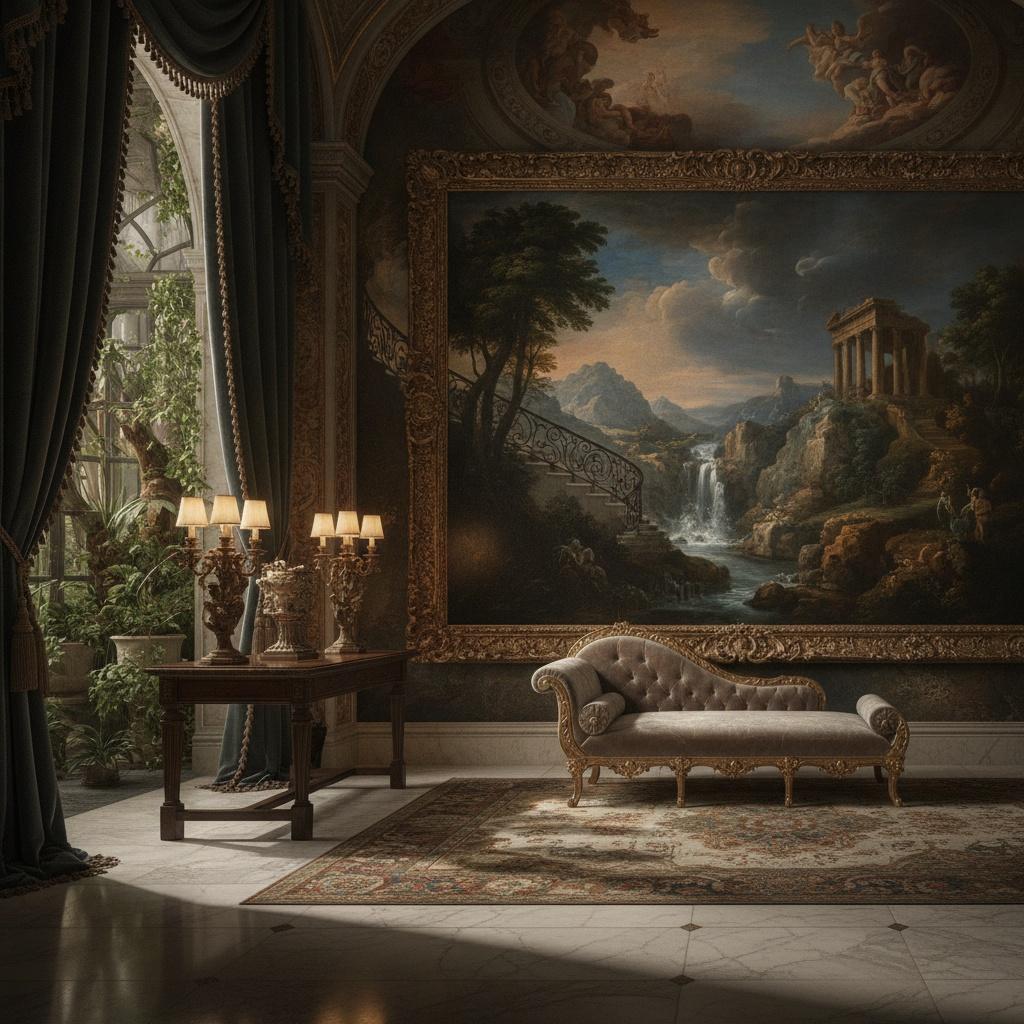
In the high-stakes world of hospitality design, the atmosphere of a lobby or executive suite is defined by its ability to transport the guest from the mundane to the extraordinary. The Baroque era offers an unparalleled toolkit for achieving this transition through the strategic use of dramatic depth and emotional spectacle. Unlike the static, measured harmony of the Renaissance, which prioritized mathematical clarity and intellectual distance, the Baroque movement introduced a visceral, theatrical energy designed to move the soul. For the professional designer, integrating Baroque landscapes means moving beyond mere decoration toward the creation of an immersive environment where light and shadow—the legendary chiaroscuro—interact to create a sense of living history.
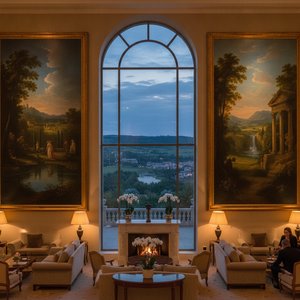
By introducing works that feature heavy, atmospheric skies and dynamic compositions, designers can manipulate the perceived dimensions of a room. A landscape featuring a low, pressing cloud formation or a receding mountain range creates an illusionistic expansion of space, making even compact corridors feel infinitely deep. This is not merely about aesthetic preference; it is about using the visual language of drama to establish a brand identity rooted in luxury, power, and timelessness. When a guest encounters a scene that feels alive with movement and unpredictable light, the interior ceases to be a mere container for furniture and becomes a stage for profound sensory experience.
Curating Masterpieces: Selecting Between Flemish Grandeur and Spanish Naturalism
Flemish Baroque painting was a style of painting in the Southern Netherlands during Spanish control in the 16th and 17th centuries. The period roughly begins when the Dutch Republic was split from the Habsburg Spain regions to the south with the Span...
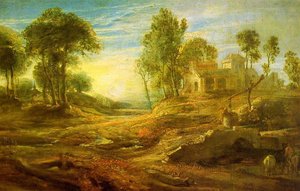
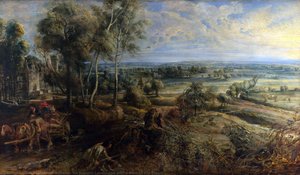
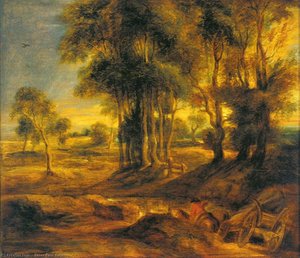
The selection of specific Baroque sub-styles allows a procurement manager to fine-tune the emotional temperature of a commercial space. For environments requiring an air of opulent spectacle and architectural weight, the Flemish Baroque tradition remains the gold standard. Artists such as Peter Paul Rubens mastered the art of the "landscape with tower," blending natural beauty with imposing structures that suggest authority and permanence. These works often utilize rich, vibrant glazes and thick impasto textures that catch the light in hotel foyers, providing a tactile richness that flat prints simply cannot replicate. The Flemish style is ideal for grand ballrooms or high-ceilinged atriums where the goal is to inspire awe through complexity and color.
Conversely, if the design objective is to cultivate a sense of serene sophistication or grounded realism, one might look toward the Spanish Baroque or the more tranquil visions of Jan Wildens. The Spanish tradition often emphasizes a profound naturalism and a controlled use of light that aligns perfectly with modern, minimalist luxury. These landscapes offer a window into a world of quiet, enduring beauty, making them excellent choices for boutique hotel lounges or private dining areas where intimacy is paramount. By understanding the distinction between the theatricality of the Flemish masters and the observational realism of the Spanish and later Dutch-influenced styles, designers can curate a cohesive narrative that speaks directly to their target demographic.
Technical Specifications: Hand-Painted Oils vs. Giclée Prints for High-Traffic Interiors
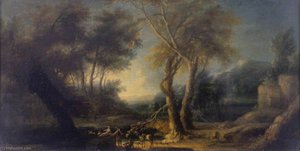 Rocky Landscape
Experience 'Rocky Landscape' by Michele Pagano – a captivating 18th-century Baroque masterpiece. Hand-painted reproductions available in various sizes. Elevate your art collection today!
From a procurement perspective, the decision between hand-painted oil reproductions and Giclée prints is a balance of budgetary constraints and long-term value. For flagship properties where art serves as a primary focal point, hand-painted oils are an indispensable investment. These works are meticulously crafted on 100% cotton canvas, featuring visible brushstrokes and a deep tonal range that provides a three-dimensional presence. The physical texture of the paint—the way it catches ambient light in a lobby—creates a sense of authenticity and prestige that is essential for luxury branding. Furthermore, the use of professional-grade materials, such as safflower oils to prevent yellowing and Damar varnish for protection against atmospheric pollutants, ensures these pieces remain vibrant for generations.
For larger-scale installations or secondary guest rooms where cost-efficiency is critical, high-quality Giclée prints offer a reliable alternative. While they lack the tactile depth of oil, modern archival 12-color inks provide an incredibly accurate color match to the original masters. When selecting for high-traffic areas, designers must consider the durability of the medium; while prints are easier to replace, hand-painted oils offer a level of artistic permanence that elevates the property's asset value. For those seeking a middle ground, we recommend the hand-painted Giclée, where an artist applies physical paint over a print to marry the precision of digital reproduction with the soul of traditional brushwork.
Scale and Composition: Utilizing Multi-Panel Layouts and Large-Format Murals
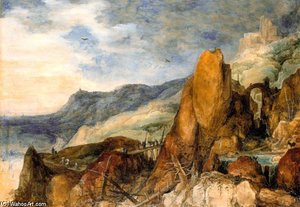 Berglandschaft Mit Geknickten Tannenstaemmen Im Strome
Joos de Momper’s "Berglandschaft" showcases a dramatic, Romantic landscape with towering pines & a castle. Explore this atmospheric watercolor's muted tones & compositional depth – a captivating Baroque scene.
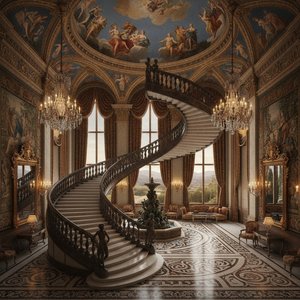
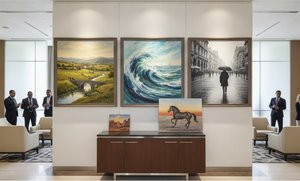
The architectural challenges of modern hospitality—such as expansive, windowless walls or soaring staircases—require art that can command attention without overwhelming the structural design. The multi-panel trend is a highly effective solution for wide-format installations. By splitting a single Baroque landscape across three, four, or five panels, designers can create a rhythmic, modern aesthetic that guides the eye along a corridor or across a feature wall. This technique allows for a seamless flow of color and composition while breaking up the visual weight of a large surface, making it an ideal choice for contemporary hotel architecture.
For truly monumental spaces, such as grand dining halls or lobby ceilings, large-format murals and frescoes offer a transformative capability. These works are painted on massive canvas rolls and can be installed similarly to high-end wallpaper, allowing designers to recreate the breathtaking grandeur of historical European palaces. Whether it is a ceiling fresco that mimics the divine light of the Venetian Baroque or a wall-sized landscape that brings the outdoors inside, these large-scale commissions allow for complete environmental control. This level of customization ensures that the art is not merely placed in the room, but is an integral part of the architecture itself.
Logistics and Procurement: Managing Bulk Orders, Custom Sizing, and Global Delivery
 The Dramatic Flourish: Exploring the Baroque Movement's Enduring Legacy in Art History
The Genesis of Grandeur: Historical Context & The Counter-Reformation Wikipedia: Counter-Reformation The Counter-Reformation (Latin: Contrareformatio), also sometimes called the Catholic Revival, was the period of Catholic resurgence that was initiat...
For procurement managers and hotel designers, the success of an art installation depends on operational reliability. Managing large-scale projects requires a supplier that understands the complexities of bulk ordering, custom sizing, and international logistics. A professional workflow must include clear communication channels—such as digital mockups for color matching and pre-shipment photo approvals—to ensure that the final product aligns perfectly with the design specifications before it leaves the studio. This eliminates the risk of costly errors in large-scale rollouts across multiple hotel properties.
Reliable global delivery is the final, critical component of the procurement chain. Utilizing established carriers like DHL Express or FedEx ensures that even large, framed pieces arrive safely and with full tracking capabilities. Furthermore, a professional supplier must navigate the complexities of international trade, providing the necessary documentation for customs and handling VAT/tax requirements seamlessly. When sourcing art for corporate or hospitality use, the focus should remain on efficiency, scalability, and transparency, ensuring that the arrival of the artwork is as seamless as the design process itself. At ArtsDot.com, we specialize in supporting these professional needs through a robust order management system designed for the high-volume requirements of the global hospitality industry.