


Scalable Art Solutions: Managing High-Volume Procurement for Hospitality Projects
In the demanding landscape of hospitality design, the challenge of furnishing expansive corridors, grand lobbies, and multi-room suites requires a delicate balance between aesthetic vision and operational reality. For procurement managers and designers, selecting art is not merely an act of curation but a logistical exercise in scale. The modern hotel professional must navigate the complexities of sourcing cohesive visual narratives that can be replicated across diverse locations without losing their premium character. This necessitates a move away from fragmented, one-off acquisitions toward a structured approach to high-volume procurement. Success in this arena depends on finding a partner who understands that a single masterpiece is only as effective as its ability to be integrated into a larger, repeatable design language. By focusing on scalable solutions—where the same level of sophistication can be applied to dozens of rooms simultaneously—designers can maintain brand integrity while managing the immense pressure of large-scale rollouts.
Technical Specifications: Evaluating Giclée Quality and Archival Longevity
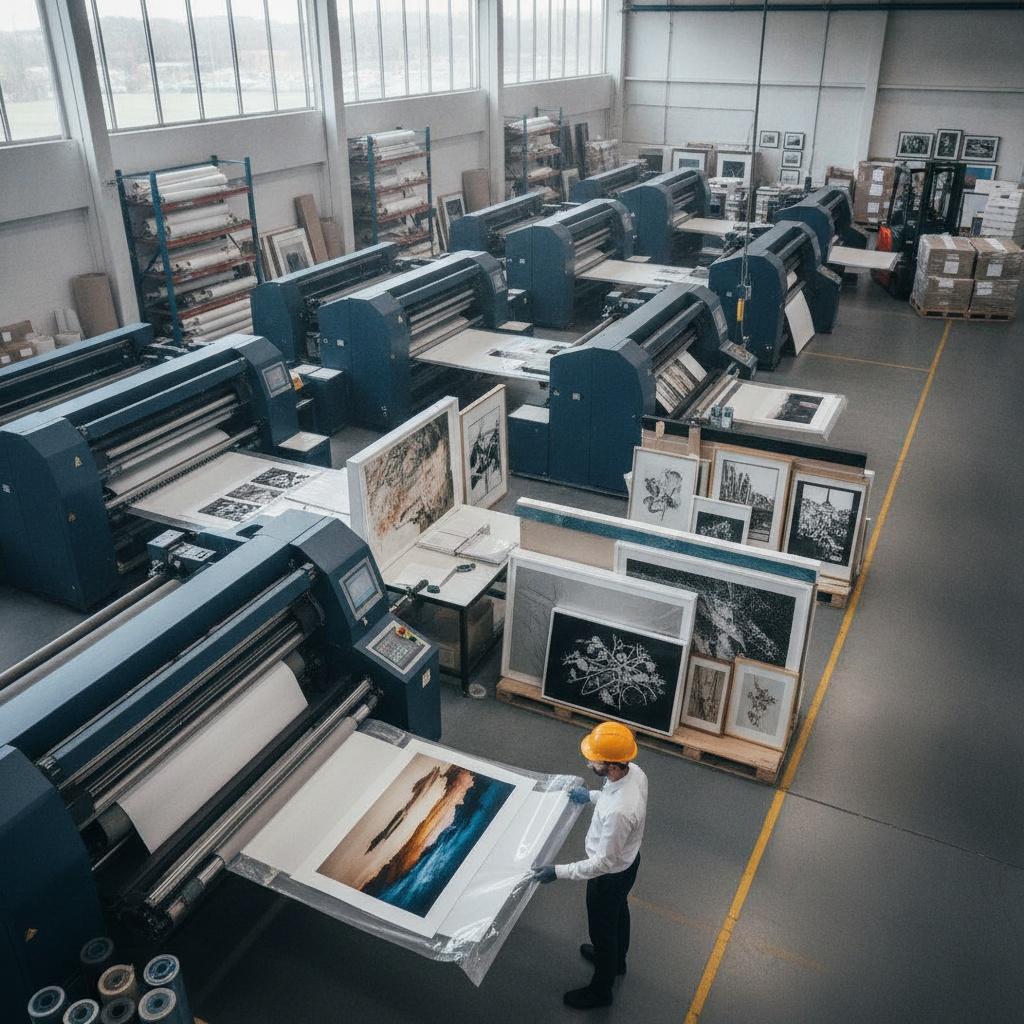
When executing high-volume orders, the durability of the medium is as critical as its visual impact. A common pitfall in large-scale procurement is the reliance on low-grade posters that succumb to the environmental stresses of high-traffic hospitality settings. To ensure long-term value, professionals must prioritize Giclée printing technology. Unlike standard digital prints, true Giclée reproductions utilize pigment-based inks and museum-grade substrates, creating a depth of color and a level of fidelity that mimics the original work. These archival-quality prints are engineered for resistance to fading, ensuring that the vibrant hues chosen during the design phase remain intact despite exposure to ambient light. For the discerning buyer, understanding the chemistry of these materials—such as the use of acid-free papers and fade-resistant pigments—is essential for protecting the long-term investment of the property. The goal is to achieve a museum-quality aesthetic that stands up to the rigors of commercial use, providing a lasting sense of luxury for every guest.
Operational Efficiency: Streamlining Bulk Orders, Custom Sizing, and Re-ordering
Efficiency is the cornerstone of successful procurement in the hospitality sector. For a manager overseeing multiple renovations or new builds, the ability to execute bulk orders with precision is paramount. A professional art supplier must offer more than just a catalog; they must provide an integrated system for managing large quantities of diverse pieces. This includes the availability of standard, repeatable sizes that align with architectural requirements, alongside the flexibility to request custom dimensions for specific focal walls or expansive staircases. Beyond the initial order, the infrastructure for re-ordering is equally vital. In the fast-paced world of hotel management, the ability to quickly replenish or expand an existing collection using established order flows reduces administrative friction and ensures design continuity. When a supplier provides clear pricing, transparent VAT invoicing, and a streamlined digital interface for tracking large shipments, they transition from a mere vendor to a critical component of the project’s operational success.
Logistics and Implementation: Global Shipping, Customs Support, and Installation Readiness
The final stage of art procurement is often the most fraught with risk: the physical movement of goods across borders and into the hands of installers. For international hotel chains, the complexity of global logistics can become a significant bottleneck. A reliable partner mitigates this by providing robust shipping solutions, utilizing industrial-grade packaging—such as 3mm tubes for rolled art and reinforced double-walled boxes for framed pieces—to ensure every piece arrives in pristine condition. Furthermore, navigating the labyrinth of international customs and VAT requirements demands a supplier with established expertise. The provision of necessary documentation, such as Reproduction Declarations for European markets or tax ID support for specific regions, is indispensable for avoiding costly delays at borders. When art arrives ready for installation—whether as stretched canvases or framed works that can be hung immediately—the transition from delivery to decoration becomes seamless, allowing the design team to meet strict project deadlines without the burden of unforeseen logistical hurdles.
Cost-Effective Aesthetics: Balancing Budgetary Constraints with Premium Visual Impact
Ultimately, the art professional must reconcile the desire for high-end aesthetics with the rigid budgetary constraints inherent in commercial development. The secret to achieving a premium look on a large scale lies in strategic selection and the intelligent use of different art formats. While hand-painted oil reproductions offer unparalleled texture and prestige for primary focal points like reception desks, high-quality Giclée prints provide a cost-effective way to populate secondary spaces such as guest rooms or hallways with equal stylistic cohesion. By leveraging a diverse catalog that ranges from masterfully executed prints to bespoke commissions, designers can allocate resources where they will have the greatest impact. This tiered approach allows for a sophisticated layering of art throughout a property, creating an environment that feels curated and expensive, yet remains fiscally responsible. Through smart procurement, the pursuit of beauty becomes a sustainable and scalable business strategy.