Defining Mixed Media: The Strategic Use of Hybridity in Modern Hospitality Interiors
 Beyond the Brush: An Expert Guide to Mastering Mixed Media Art Techniques and Materiality
The Essence of Hybridity: Defining Mixed Media in Contemporary Practice To step into the world of mixed media is to abandon the safety of a single medium and embrace the beautiful, often unpredictable, dialogue between disparate materials. For the de...
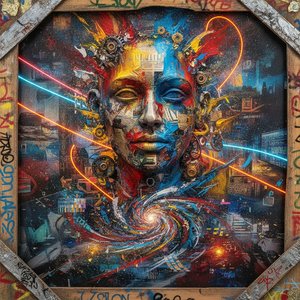
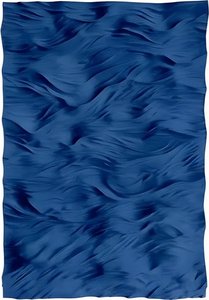
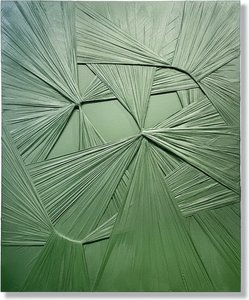
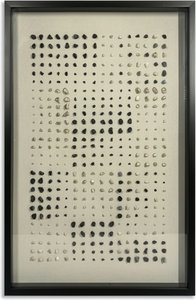
In the contemporary landscape of luxury hospitality, the era of flat, uninspired imagery has passed. For the discerning hotel designer, the challenge lies in creating spaces that transcend mere visual appeal to offer a profound sensory experience. This is where the concept of mixed media becomes an indispensable tool in the designer's repertoire. Unlike traditional painting, which relies on the singular mastery of pigment and binder, mixed media thrives on hybridity—the intentional collision of disparate materials such as ink, collage, acrylic, and found objects to create a narrative that a single medium alone could never articulate. This practice allows for an expansion of the visual vocabulary, where the tactile reality of a torn piece of newsprint or a rugged metallic element carries as much emotional weight as a delicate wash of watercolor.
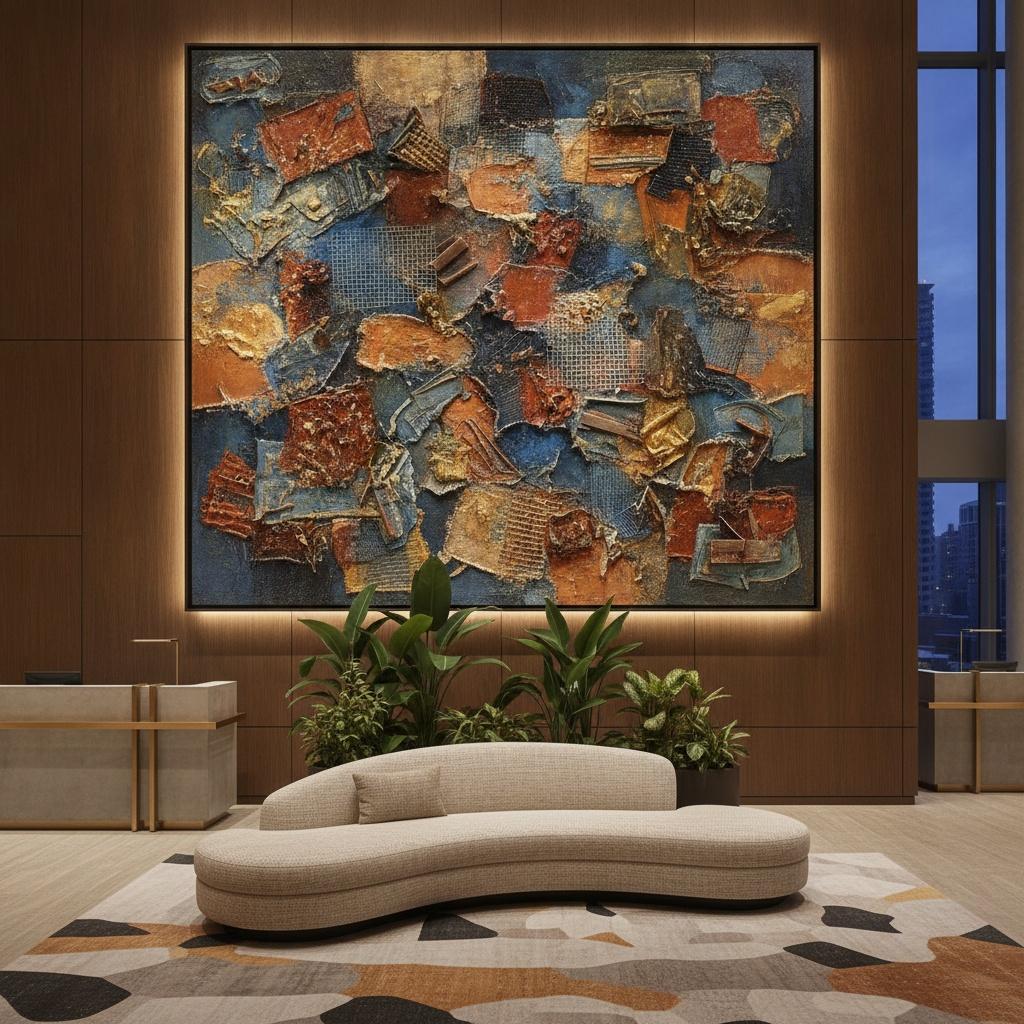
To embrace mixed media is to move beyond the safety of a single dimension and enter a realm of architectural depth. In a professional procurement context, understanding this hybridity is essential for selecting pieces that command attention within large-scale lobbies or sophisticated lounge areas. By integrating various materials, an artwork ceases to be a mere window into another world and instead becomes a physical presence that interacts with the room's lighting and movement. This strategic use of material diversity allows designers to bridge the gap between different design elements, creating a cohesive yet complex atmosphere that resonates with the modern traveler’s desire for authenticity and depth.
The Power of Texture: Creating Tactile Engagement and Visual Depth in Guest Spaces
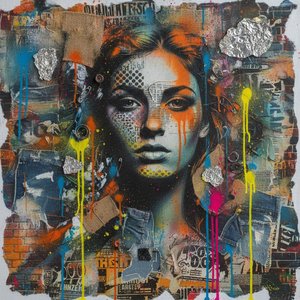 Mixed Media Magic: How to Layer Texture and Street Style for High-Impact Art
The New Dimension: Why Texture is the Ultimate Power Move In the fast-paced, hyper-visual landscape of modern urban living, flat imagery is losing its grip. We are moving into an era where the eye demands more than just a color palette; it craves tac...
Texture has evolved from a technical detail in classical oil painting to a primary protagonist in contemporary high-end decor. In the fast-scale, hyper-visual landscape of modern urban living, the eye demands more than just a color palette; it craves tactile engagement. For a hotel designer, texture acts as a visual anchor, providing a sense of weight and permanence to a room. When we discuss high-impact art, we are referring to pieces that break the two-dimensional plane and command the physical space they inhabit. This shift is driven by a global desire for authenticity in an increasingly digital world—a craving for something one can almost feel with the eyes.
The magic of texture begins with the very soul of the surface, offering a tactile invitation through raised brushstrokes, heavy impasto, or even delicate layers of porcelain. As light dances across uneven planes, it creates shifting shadows and highlights that change as guests move through a corridor or lounge. This dynamism ensures that the artwork is never static; it breathes with the ambient light of the space. Whether it is the rugged surface of a mixed media sculpture or the intricate relief of a textured canvas, these elements provide a sense of architectural presence. By embracing varied surfaces, a designer transforms a wall from a simple boundary into a breathing, textured landscape that invites exploration and lingers in the memory.
Layering Narratives: Using Collage and Assemblage to Enhance Brand Identity
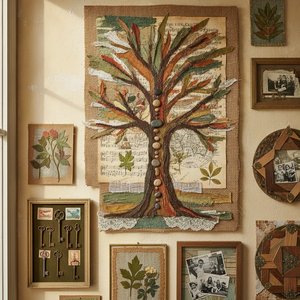 The Magic of Collage: How to Layer Texture and Story into Your Home Decor
The Soul of the Surface: Understanding Texture in Mixed Media To step into a room adorned with truly thoughtful art is to embark on a sensory journey that transcends the mere visual. While traditional flat paintings offer a window into another world,...
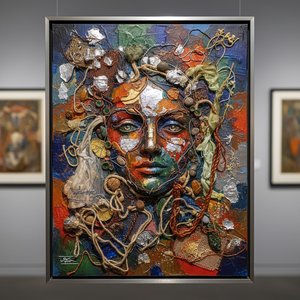
Every prestigious hotel tells a story, but the most captivating interiors are those where the art serves as a narrator of identity and history. The techniques of collage and assemblage allow for the layering of these narratives, much like how a brand accumulates prestige through time and experience. Collage, the art of combining materials such as ribbons, photographs, or paper clippings, creates a new whole from fragmented parts. Assemblage takes this further, utilizing three-dimensional elements that project from a substrate to create a sculptural effect. These methods allow for the blending of the abstract with the anecdotal, providing a blueprint for designers to weave brand heritage into the very fabric of the room.
Consider how an artist might use heavy impasto to represent strength, only to veil it beneath a translucent layer of tissue paper to suggest fragility and elegance. This interplay creates a sense of temporal depth, inviting guests to peer through various strata of intention. For large-scale hospitality projects, utilizing works that offer layers of meaning—perhaps combining urban grit with refined fine art techniques—can establish a unique brand voice. Through the strategic application of depth and composition, mixed media allows for an orchestration of visual hierarchy, guiding the viewer's eye through a curated experience that reflects the sophistication and complexity of the hotel's mission.
Materiality and Durability: Selecting Mixed Media Works for High-Traffic Commercial Environments
 Mixed media
In visual art, mixed media describes artwork in which more than one medium or material has been employed. Assemblages, collages, and sculpture are three common examples of art using different media. Materials used to create mixed media art include, b...
For procurement managers and office managers, the aesthetic allure of mixed media must be balanced with the rigorous demands of commercial durability. The success of any multi-layered work begins with its structural integrity. When selecting pieces for high-traffic areas like lobbies or restaurants, it is critical to consider the substrate—the foundation upon which the art is built. A well-engineered piece, utilizing high-quality cotton canvas and professional-grade adhesives, ensures that the artwork can withstand the environmental fluctuations of a busy public space without warping or degradation.
Durability in mixed media also involves the chemistry of the materials used. Professional reproductions utilize flexible gesso to prevent cracking and specific oils, such as safflower, to ensure that whites do not yellow over time. Furthermore, a final coat of Damar varnish is essential to protect the surface from dust, moisture, and atmospheric pollutants. When sourcing for large-scale projects, it is vital to prioritize works where the materiality is robust enough to maintain its visual impact for decades. This focus on longevity ensures that the art remains a lasting investment, preserving the vibrancy of the pigments and the integrity of the textures against the rigors of daily commercial use.
Sourcing and Implementation: Integrating Custom Mixed Media Commissions into Large-Scale Projects
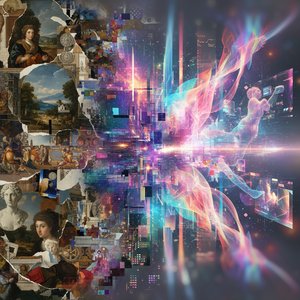 Mastering Digital Collage: An Expert Guide to Layering Art, Texture, and Imagination
The Foundations of Digital Layering: Understanding Composition and Depth To embark on the journey of digital collage is to step into a realm where the boundaries between reality and imagination dissolve through the strategic application of depth. For...
Integrating complex, large-scale mixed media works into an established design plan requires precision, coordination, and a reliable supply chain. For professionals managing large-volume orders, the process must be efficient and transparent. The most successful implementations often involve custom commissions, where artists can "remix" art history to match a specific color palette or architectural theme. This might include everything from massive canvas rolls for ceiling frescoes to multi-panel "group set" paintings that span wide staircases, ensuring that colors and brushstrokes flow seamlessly across every panel for a cohesive look.
The implementation process is streamlined through professional project management, where a dedicated Project Coordinator serves as the single point of contact. This ensures that requirements regarding sizing, color matching, and custom framing—such as gold leaf or espresso wood—are met with museum-grade standards. From the initial digital mockup to the final delivery via reliable global carriers like DHL or FedEx, the goal is to remove uncertainty. By utilizing professional services for custom reproductions, designers can transform personal milestones or brand motifs into large-scale masterpieces, ensuring that every piece of art is a perfectly executed component of the larger architectural vision.