


Defining Neoclassicism: Architectural Principles for High-End Hospitality Design
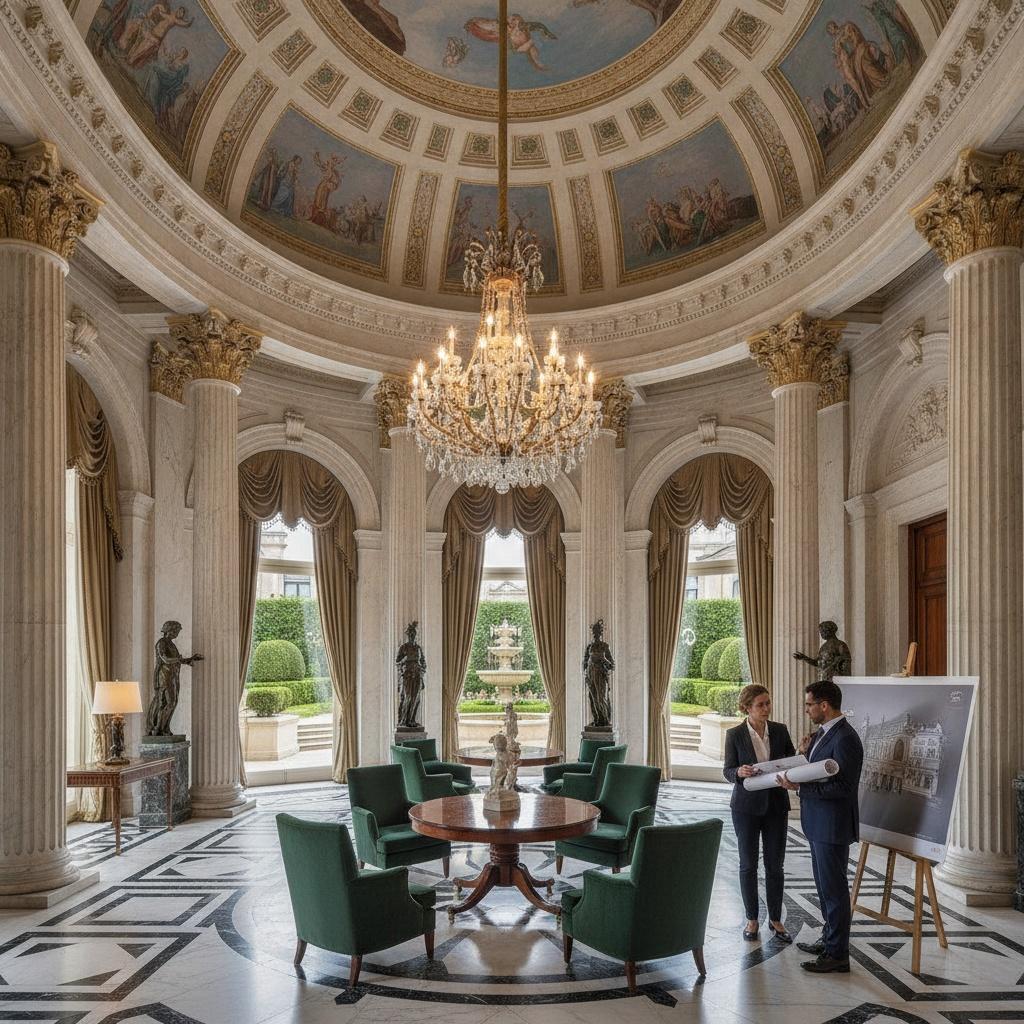
In the realm of luxury hospitality, where first impressions dictate brand prestige, Neoclassicism offers an unparalleled foundation of stability and grandeur. This movement, born from a profound reverence for the order and symmetry of ancient Greek and Roman antiquity, provides the ideal aesthetic vocabulary for designers seeking to evoke a sense of permanence. Unlike more transient modern trends, Neoclassical design relies on the mathematical harmony of the Parthenon and the disciplined elegance of Pharaonic or Greco-Roman motifs to create spaces that feel both monumental and serene. For the procurement professional, integrating these principles is not merely about decoration; it is about utilizing a historical language of balance, clarity, and structural integrity to elevate a hotel’s architectural identity.
The essence of this style lies in its restraint. It avoids the excessive ornamentation of the Rococo period in favor of clean lines, noble simplicity, and a focus on the heroic. When applied to interior landscapes—from grand foyers to executive suites—Neoclassicism introduces a rhythmic cadence through the use of columns, pediments, and friezes. By grounding a contemporary hotel project in these classical foundations, designers can create an atmosphere that feels established and authoritative, providing guests with a sense of sanctuary within a sophisticated, well-ordered environment.
Curating the Collection: Selecting Iconic Masterpieces for Lobby and Suite Integration
The curation of art within a hospitality setting requires a strategic approach to storytelling. In Neoclassical interiors, the artwork must act as an extension of the architecture rather than a distraction from it. When selecting pieces for high-traffic areas such as lobbies or grand lounges, the focus should remain on works that embody the era's emphasis on clarity and light. Masterpieces that feature mythological narratives or historical allegories serve to engage the guest’s intellect, inviting them to linger and contemplate the profound cultural heritage represented on the walls.
For more intimate spaces, such as premium suites or private dining rooms, the curation can shift toward a more nuanced exploration of the style. Here, one might introduce portraits that reflect the dignity of the era or landscapes that utilize the soft, diffused light characteristic of Neoclassical masters. The goal is to create a cohesive visual journey throughout the property. By selecting reproductions that maintain the authentic tonal range and brushwork of the originals, designers can ensure that every room contributes to a unified brand narrative of luxury and historical depth.
Scale and Impact: Utilizing Multi-Panel Formats and Large-Format Murals in Grand Spaces
In large-scale hospitality environments, such as sweeping staircases or expansive ballrooms, standard-sized frames often fail to command the necessary presence. To bridge the gap between art and architecture, the use of multi-panel formats—often referred to as polyptychs—is a highly effective strategy. Splitting a single Neoclassical composition across three, four, or even five panels allows the artwork to breathe within a wide architectural field, creating a modern, rhythmic flow that guides the eye across the room. This technique is particularly useful for covering long corridors or accentuating the height of grand atriums.
For even more ambitious design requirements, large-format murals and ceiling frescoes offer a transformative solution. These works, painted on massive canvas rolls, allow designers to recreate the breathtaking effects of historical ceilings, such as those found in European palaces. Such installations turn a structural element into a focal point of awe, providing a level of bespoke luxury that is difficult to achieve with traditional hanging art. When executed correctly, these large-scale interventions do not merely decorate a wall; they redefine the very volume of the space, leaving an indelible mark on the guest experience.
Materiality and Longevity: The Procurement Advantages of Hand-Painted Oil Reproductions
From a procurement and operational standpoint, the choice between a digital print and a hand-painted oil reproduction is a decision regarding long-term value and tactile quality. While Giclée prints offer an accessible option for rapid deployment, they lack the physical depth required for true luxury environments. A hand-painted oil reproduction, created with meticulous layering on 100% cotton canvas, provides the visible brushstrokes and impasto textures that catch the light and create a sense of movement. This tactile dimension is essential in high-end interiors, where the "soul" of the artwork contributes to the perceived value of the space.
Furthermore, the durability of oil on canvas offers significant advantages for hospitality managers. The use of professional-grade materials—such as flexible gesso to prevent cracking and Damar varnish to protect against dust and atmospheric pollutants—ensures that the investment remains vibrant for decades. For procurement managers overseeing large-scale or repetitive orders, the ability to source high-quality, hand-painted works in standardized sizes provides a reliable way to maintain aesthetic consistency across multiple properties without sacrificing the prestige of museum-quality art.
Strategic Implementation: Coordinating Art with Color Palettes and Architectural Finishes
The final stage of successful Neoclassical integration is the precise coordination of art with the surrounding interior palette. Neoclassical works often feature a sophisticated range of tones, from the cool whites and marbles of architectural elements to the deeper, more dramatic shadows found in classical portraiture. To achieve a harmonious design, it is vital to use art as a bridge between different textures and colors within the room. For instance, an artwork with subtle gold or ochre accents can be used to tie together brass fixtures and warm wood paneling.
Modern designers can also utilize advanced tools to ensure accuracy before any physical installation takes place. Through digital mockups and color analysis, it is possible to visualize how a specific painting will interact with the lighting and finishes of a room. This proactive approach minimizes the risk of aesthetic mismatch and ensures that the final implementation is seamless. Whether through the use of custom-engineered canvas wraps for a frameless look or the selection of heavy, gold-leaf frames to complement ornate moldings, the strategic placement of art remains the definitive element in crafting a truly timeless Neoclassical interior.
For professionals managing large-scale art procurement, ArtsDot.com provides the operational reliability required for high-volume hospitality projects. We specialize in providing trade-ready solutions, including bulk ordering, custom sizing, and professional digital mockups to ensure every piece meets your architectural specifications. From hand-painted oil reproductions to expansive murals, our catalog is built for the efficiency and scale demanded by modern hotel designers.