


Defining Rococo: Key Visual Elements for High-End Hospitality Design
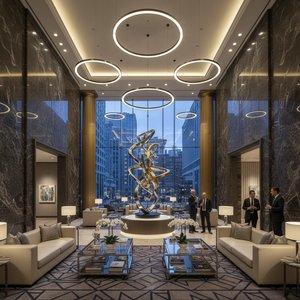
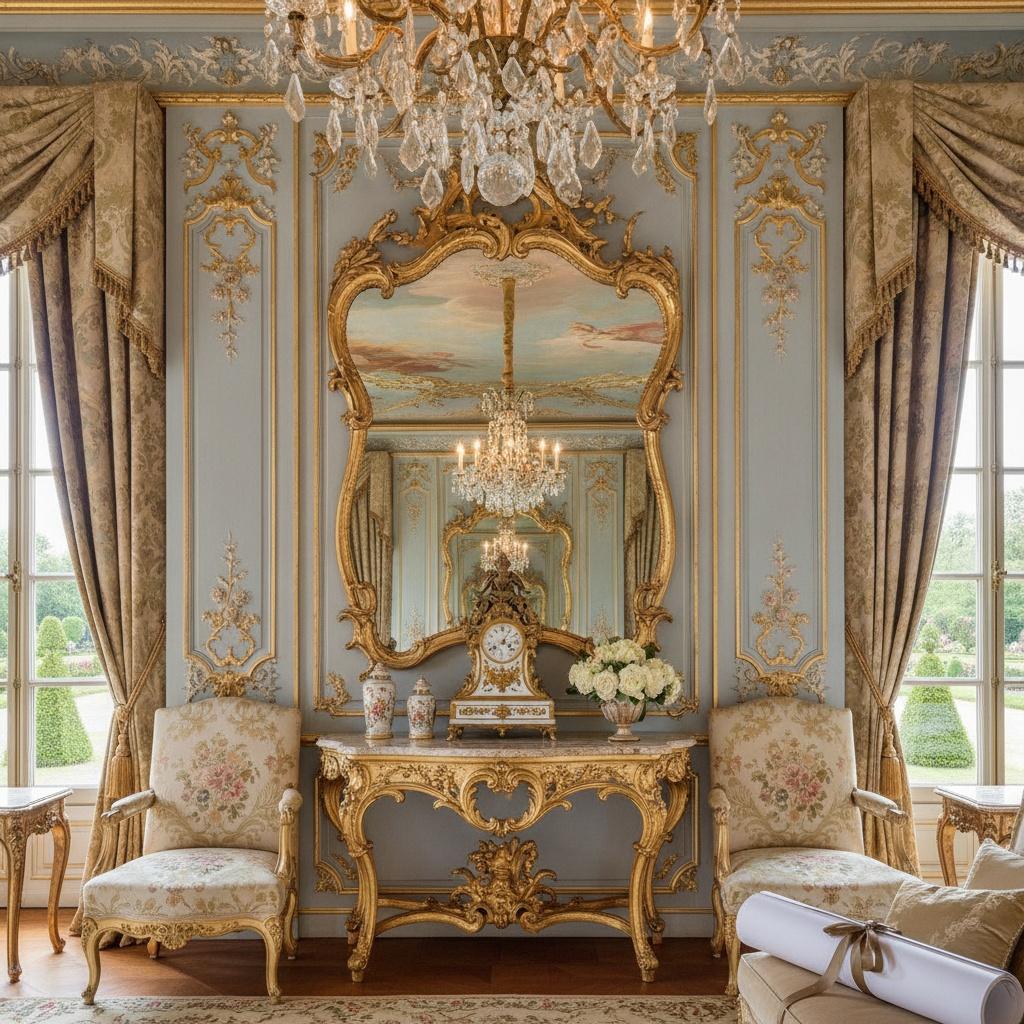
To the discerning hotel designer, the Rococo era represents more than a mere historical period; it is a masterclass in the architecture of pleasure and the pursuit of sensory delight. Emerging from the more rigid structures of the Baroque, Rococo introduced a fluid, asymmetrical grace that prioritizes lightness and movement over heavy, imposing grandeur. In a hospitality setting, this translates to an atmosphere of effortless sophistication where the boundaries between structure and ornament blur. The hallmark of this style lies in its rocaille—the intricate shell-like motifs and organic curves that suggest a natural, flowing elegance. When implementing these elements into a lobby or a luxury suite, one is not merely decorating a wall but rather composing a visual symphony of C-curves and S-scrolls that guide the eye through a landscape of delicate complexity.
The true power of Rococo in modern interior design lies in its ability to evoke intimacy within large-scale spaces. Unlike the intimidating scale of Neoclassicism, Rococo celebrates the whimsical and the ornate, making it an ideal choice for creating boutique environments that feel both palatial and welcoming. By focusing on the interplay of light and shadow—often achieved through masterful chiaroscuro techniques found in works like those of Franz Anton Maulbertsch—designers can introduce a sense of drama that remains soft and inviting rather than aggressive. This delicate balance is essential for high-end hospitality, where the goal is to provide an immersive experience of luxury that feels curated and timeless.
The Rococo Palette: Utilizing Pastels and Gold for Opulent Interiors
Color serves as the emotional heartbeat of a Rococo-inspired space. The palette is famously characterized by a departure from deep, somber tones in favor of luminous pastels: creamy whites, soft mints, pale rose, and ethereal blues. These hues work in tandem to expand the perceived volume of a room, reflecting light to create an airy, dreamlike quality that is particularly effective in grand ballrooms or sun-drenched breakfast rooms. However, the true luxury of this palette is found in its strategic use of metallic accents. Gold leaf and gilded ornamentation are not merely additions; they are structural necessities that provide the "weight" required to anchor these lighter tones.
For the procurement professional, managing this color relationship requires a keen eye for tonal depth. The integration of gold-toned frames or gilded sculptural elements against a backdrop of soft ivory creates a high-contrast elegance that signals prestige to the guest. When selecting reproductions, it is vital to ensure that the pigments—specifically the whites and highlights—possess the correct luminosity. Using safflower oils in our hand-painted reproductions prevents the yellowing that can plague lesser works, ensuring that the pristine, light-drenched aesthetic of the Rococo era remains vibrant and true to its historical intent for decades of service.
Integrating Decorative Arts: From Porcelain Motifs to Ornate Wall Treatments
A cohesive Rococo interior is achieved through the seamless integration of various decorative disciplines. The movement was never confined to canvas; it lived within the porcelain, the furniture, and the very walls themselves. Designers can draw inspiration from the intricate Sèvres-style patterns found in historical porcelain, utilizing these floral and avian motifs to inform textile selections or custom wallpaper designs. This creates a layered aesthetic where the art on the wall speaks the same visual language as the fine china presented in the hotel’s dining room, fostering a sense of total environmental immersion.
Beyond the small-scale ornaments, the use of large-format architectural elements can redefine a space's character. The application of frescoes and murals on ceilings allows for the recreation of historical grandeur, effectively turning a standard ceiling into a breathtaking canopy of clouds and allegorical figures. For designers working with complex architectural layouts, these large-scale works act as anchors, providing a focal point that ties together disparate design elements—from heavy velvet drapery to delicate gilded sconces—into one unified, luxurious narrative.
Scaling Grandeur: Implementing Large-Format Murals and Multi-Panel Masterpieces
One of the most significant challenges in luxury hospitality is filling expansive, high-ceilinged voids without overwhelming the guest. Rococo art offers a unique solution through the use of multi-panel layouts and large-scale compositions. By splitting a single, sweeping landscape or allegorical scene across three, four, or even five panels, a designer can create a modern, rhythmic movement across a long corridor or a wide feature wall. This "multi-panel" trend allows for a contemporary architectural feel while maintaining the classical integrity of the original composition.
Furthermore, the ability to commission bespoke murals provides an unparalleled opportunity for brand differentiation. Whether it is a massive canvas roll designed to mimic a ceiling fresco or a custom-sized reproduction tailored to a specific alcove, scaling art correctly is paramount. The use of ExtendedWrap or MirrorWrap techniques ensures that the artistry continues around the edges of the frame, eliminating the visual interruption of a traditional border and allowing the painting to become an organic part of the room's architecture. This level of customization is essential for creating those "Instagrammable" moments that define modern luxury stays.
Sourcing Excellence: Procurement Strategies for Authentic Rococo Reproductions
For the procurement manager or hotel designer, the final stage of design is the logistical execution: sourcing high-quality, repeatable, and reliable art. The challenge lies in finding pieces that possess the tactile depth of an original—visible brushstrokes and impasto textures—without the prohibitive costs and maintenance of museum-grade antiques. The solution is found in professional-grade oil reproductions that utilize 100% cotton canvas and traditional layering techniques to mimic the soul of the Old Masters.
Effective procurement requires a partner who understands the pressures of hospitality timelines and budget constraints. A reliable supplier must offer:
- Volume Capability: The ability to provide large quantities of consistent, high-quality pieces for entire hotel chains or multi-room renovations.
- Customization Services: Access to digital mockups to ensure color matching with existing interior palettes and the ability to "remix" historical styles.
- Logistical Reliability: Fast, tracked shipping via global carriers like DHL or FedEx, accompanied by clear VAT/customs documentation for international projects.
- Durability Standards: Art finished with Damar varnish to protect against dust and moisture, ensuring the longevity of the investment in high-traffic environments.
By focusing on these operational pillars, designers can confidently integrate the opulence of the Rococo era into their projects, delivering a standard of luxury that is both visually breathtaking and commercially sustainable.
For professional art procurement, custom commissions, and large-scale hospitality solutions, visit ArtsDot.com to explore our extensive catalog of masterwork reproductions and bespoke services.