Introduction
To step into the world of George Catlin is to witness a vanishing frontier through the eyes of a man possessed by a singular, urgent mission. His canvases do not merely depict scenes; they act as temporal anchors, capturing the vibrant, breathing essence of Native American cultures at a moment in history before the relentless tide of westward expansion irrevocably altered their landscapes and traditions. As you move through this collection of his top 25 artworks, you are not just viewing paintings, but participating in a profound act of visual preservation.
Born in Pennsylvania and driven by the frontier legends of his youth, Catlin abandoned the stability of a legal career to embark on five monumental expeditions across the American West. His life’s work, famously known as The Indian Gallery , stands as one of the most significant ethnographic achievements in art history. Through his brush, the Missouri River territories, the plains of the Sioux, and the ceremonies of the Choctow became accessible to a world that would never see them in such raw, unmediated form. His work transcends simple portraiture; it is an immersive sensory experience where one can almost hear the rhythmic pulse of tribal dances and feel the vast, untamed spirit of the American wilderness.
Today, these masterpieces remain deeply meaningful, serving as vital historical documents that bridge the gap between the past and the present. They offer a window into the dignity, complexity, and spiritual depth of indigenous peoples, rendered with a technical precision and emotional honesty that continues to resonate with modern collectors and historians alike. Each stroke of his brush captures a flicker of life that was, at the time, destined to fade.
In the following selection, we invite you to explore these pivotal works—ranging from dynamic communal celebrations to intimate, soulful portraits—that define Catlin’s legacy as the preeminent chronicler of a lost American era. Prepare to encounter the faces, the rituals, and the enduring spirit of the Great Plains.
View on the Missouri, Alluvial Banks Falling in, 600 Miles above St. Louis - George Catlin
 View on the Missouri, Alluvial Banks Falling in, 600 Miles above St. Louis - George Catlin
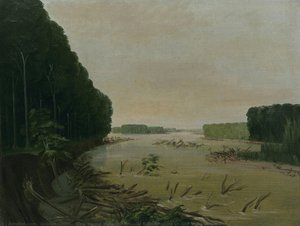
A deep, earthy ochre dominates View on the Missouri, Alluvial Banks Falling in, 600 Miles above St. Louis by George Catlin, establishing a grounded, melancholic mood that reflects the shifting landscape of the American frontier. This mastery of an organic, silt-toned palette is precisely why this piece remains one the top 25 artworks of George Catlin ; he captures the very essence of the river's sediment and the raw, unyielding spirit of the Missouri River. The subtle interplay between the muddy alluvial tones and the soft, atmospheric light creates a sense of historical weight and serene movement.
For professionals managing large-scale interior projects, such as hotel lobbies or corporate dining halls, this painting offers an unparalleled way to introduce warmth and stability. The composition's naturalistic color scheme can be used to anchor a room's emotional lighting, providing a sophisticated focal point that complements modern, neutral decor with its rugged, historical depth. Integrating this work into a contemporary space brings a sense of timelessness and a connection to the profound beauty of a vanishing world.
The Cutting Scene, Mandan O-kee-pa Ceremony - George Catlin
 The Cutting Scene, Mandan O-kee-pa Ceremony - George Catlin
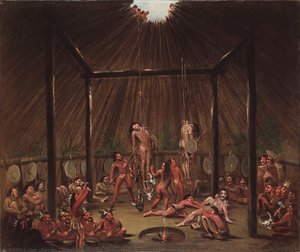
In The Cutting Scene, Mandan O-kee-pa Ceremony , George Catlin provides more than a mere visual record; he offers a profound window into the spiritual endurance of the Mandan people. As one of the top 25 artworks of George Catlin , this 1832 masterpiece captures a pivotal moment of transition and ritualistic pain within the sacred medicine lodge. The painting’s sketch-like immediacy—achieved through thin, ethereal layers of oil—conveys the raw, breathless atmosphere of the rite of passage, where young men demonstrate their fortitude for the community.
The composition, rich with the symbolic presence of elders and the physical intensity of the participants, serves as a powerful meditation on human resilience and the preservation of identity. For collectors and decorators seeking to anchor a space with historical depth, this work brings a sense of gravity and storytelling. It invites a timeless conversation between the rugged frontier past and modern interiors, acting as a sophisticated focal point that celebrates the beauty found in cultural strength and the meticulous documentation of a vanishing world.
Say-say-gon, Hail Storm, War Chief - George Catlin
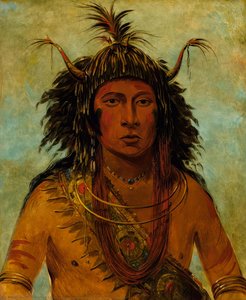 Say-say-gon, Hail Storm, War Chief - George Catlin
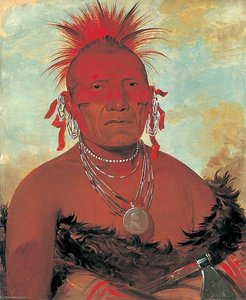
In the silent, commanding gaze of Say-say-gon, Hail Storm, War Chief by George Catlin, time appears to hold its breath, freezing a moment of profound frontier dignity within the canvas. This masterpiece stands among the top 25 artworks of George Catlin because it transcends simple portraiture; it is an evocative window into a vanishing epoch, balancing ethnographic precision with a haunting, Romantic grandeur. The oil on canvas breathes with life, where the meticulous texture of ceremonial feathers and the subtle sheen of traditional necklaces contrast against an atmospheric, shadowy background that suggests the gathering storms of history.
The palette, rich with earthy tones and dramatic light, creates a sense of weight and permanence that is ideal for sophisticated corporate or hospitality interiors. For the discerning decorator, integrating this reproduction into a modern space brings an unparalleled sense of gravitas and historical depth. It is more than decor; it is a conversation piece that invites contemplation on resilience and the enduring spirit of the American West, offering a soulful anchor to any curated collection.
Ball-play of the Choctaw--Ball Up - George Catlin
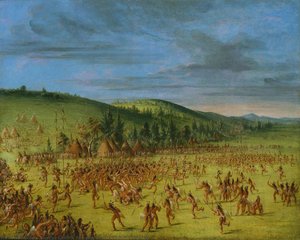 Ball-play of the Choctaw--Ball Up - George Catlin
In Ball-play of the Choctaw—Ball Up by George Catlin , the dominant earthy greens and deep umbers establish a grounded, organic mood that anchors the viewer in the heart of the American frontier. This mastery of a naturalistic palette is precisely why this piece stands as one of the top 25 artworks of George Catlin ; he does not merely paint a landscape, but uses color to breathe life into the ritualistic energy of the *ishtaboli* game. The way the warm, sun-drenched tones of the figures contrast against the sprawling, verdant field creates a sense of rhythmic movement and historical vitality.
For professionals managing large-scale interior projects, this painting offers a sophisticated blueprint for atmospheric curation. The composition’s balance of muted earth tones and vibrant accents can be used to inform the lighting and color schemes of modern hospitality spaces or corporate lounges, providing a sense of stability and cultural depth. Integrating such a powerful work into a dining room or lobby allows for an emotional connection to history, using its naturalistic light to create a space that feels both prestigious and profoundly human.
Wi-jún-jon, Pigeon - George Catlin
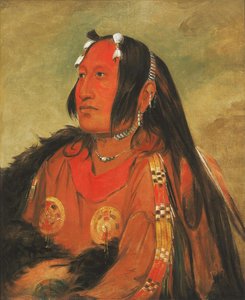 Wi-jún-jon, Pigeon - George Catlin
In the quiet intensity of 1831, George Catlin captured more than a likeness; he froze a moment of profound dignity in Wi-jún-jon, Pigeon . As you gaze upon this portrait of the Assiniboine warrior, the vibrant crimson of his shirt strikes the eye, a bold symbol of vitality set against the vast, atmospheric stillness of the Great Plains. Catlin’s masterful use of oil on canvas brings a tactile depth to the scene, where thick, textured impasto strokes render the intricate feathers of the headdress and the weathered strength of the subject's gaze.
The painting breathes with a sense of reverence, inviting viewers into a world of ancestral honor and natural splendor. The interplay of light and shadow across the warrior’s features creates a cinematic presence that commands attention. For the modern collector or professional decorator, integrating such a powerful piece from the top 25 artworks of George Catlin into a corporate lounge or private study offers more than mere decoration; it provides a focal point of historical gravity and contemplative calm, grounding a sophisticated space with the enduring spirit of the American frontier.
The White Cloud, Head Chief of the Iowas - George Catlin
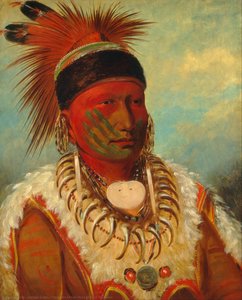 The White Cloud, Head Chief of the Iowas - George Catlin
To stand before The White Cloud, Head Chief of the Iowas is to encounter a profound, silent dignity that transcends the centuries. Before the eyes even trace the intricate beadwork, one feels the weight of a vanishing era—a moment of stillness captured just as the winds of change began to sweep across the American frontier. George Catlin does not merely paint a face; he captures the very soul of leadership and the spiritual gravity of the Iowa tribe.
This masterpiece earns its place among the top 25 artworks of George Catlin through its masterful 'frontier realism.' The soft, diffused light illuminates the shimmering feathers of the headdress and the symbolic teeth necklaces, creating a texture so tangible you can almost feel the history within the bristles. By moving beyond mere documentation to offer a nuanced, respectful portrait, Catlin provides a window into a complex world of tradition and strength. Bringing such a piece into a modern space does more than decorate a wall; it invites a sense of historical reverence and contemplative serenity, grounding contemporary life with the enduring power of human legacy.
Hard Hickory, an Amiable Man - George Catlin
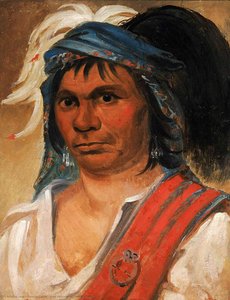 Hard Hickory, an Amiable Man - George Catlin
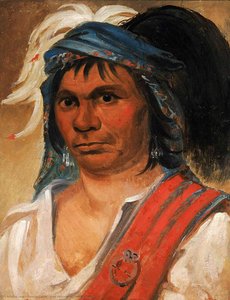
To encounter Hard Hickory, an Amiable Man by George Catlin is to confront a piercing moment of history frozen in oil. Painted in 1831, this work stands as a profound testament to the Seneca man’s presence, capturing a gaze so direct it seems to penetrate the veil of time itself. Catlin utilizes a masterful depth of field, where the subject's prominent features and the vibrant contrast of his blue headband and red scarf emerge from an atmospheric, blurred background, demanding the viewer's undivided attention.
Owning this piece from the top 25 artworks of George Catlin isn’t merely a purchase; it is an inheritance . It represents a lineage of taste that connects your private collection to the vanishing frontier of the American West. Through the rich textures of the canvas, you can feel the weight of a culture documented with urgent, ethnographic precision. With ArtsDot.com, this legacy is no longer confined to museum archives; it is available for your walls , allowing you to curate a tangible connection to a monumental chapter of human history.
No ho mun ya, One Who Gives No Attention - George Catlin
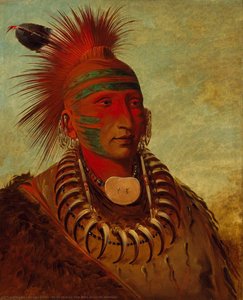 No ho mun ya, One Who Gives No Attention - George Catlin
To encounter No ho mun ya, One Who Gives No Attention by George Catlin is to witness a profound moment of stillness captured from a vanishing frontier. This masterpiece earns its place in our Top 25 collection through its unparalleled ability to serve as both an ethnographic record and a deeply moving psychological portrait. The painting presents a striking Native American figure, adorned with ceremonial red and black facial stripes and a distinctive headband, positioned beneath the watchful gaze of a majestic eagle. This symbolic pairing of grounded humanity and soaring spirit creates a palpable tension that has influenced visual storytelling for generations.
Catlin’s use of vibrant pigments and meticulous detail offers more than mere documentation; it provides an emotional resonance that transcends time. For the modern collector, this work serves as a powerful anchor in any interior design, bringing a sense of storied gravitas and historical depth to a corporate space or private residence. Through our high-fidelity hand-painted reproductions, you can bring this transformative presence into your home, office, or personal gallery, preserving the soul of the American West.
On sáw kie, The Sauk, in the Act of Praying - George Catlin
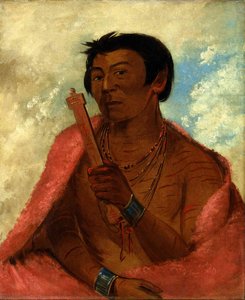 On sáw kie, The Sauk, in the Act of Praying - George Catlin
Acquiring On sáw kie, The Sauk, in the Act of Praying by George Catlin represents a profound investment in both cultural legacy and refined aesthetic taste for the discerning collector. As one of the top 25 artworks of George Catlin, this 1830 masterpiece holds immense historical value, serving as a vital window into the spiritual dignity of the Sauk people during a period of immense frontier upheaval. The painting’s provenance is anchored in Catlin's urgent mission to document vanishing traditions, making it a cornerstone of American portraiture with significant market prestige.
Visually, the work is a masterclass in texture and light; the rich, oil-on-canvas medium brings life to the soft pink tones of the draped blanket and the weathered grain of the ceremonial staff. The subject's contemplative posture and direct, soulful gaze create an intimate connection that transcends centuries. For those curating modern luxury interiors, a high-quality hand-painted reproduction of this piece provides unparalleled aesthetic authority, bringing the quiet strength and historical status of the American frontier into a sophisticated contemporary space.
Mr. Fred H. Robertson - George Catlin
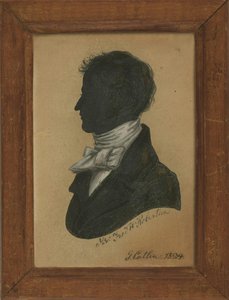 Mr. Fred H. Robertson - George Catlin
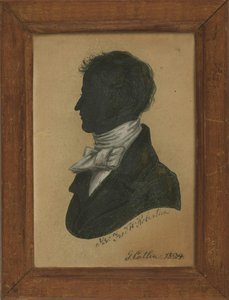
In Mr. Fred H. Robertson , George Catlin captures a gaze of profound stillness, an introspective look that seems to bridge the gap between the viewer and the early 19th-century frontier spirit. This 1824 work, rendered in a delicate combination of watercolor and oil, moves beyond simple portraiture to offer a window into the psychological depth of the era. The subdued palette of greys and browns creates an atmosphere of solemn contemplation, inviting anyone who views it to pause and reflect.
As one of the most compelling pieces in our collection of the top 25 artworks of George Catlin , this portrait serves as a universal mirror of human experience, capturing a moment of quiet dignity. Integrating such a powerful emotional resonance into your interior design can transform a corporate lobby or a private study into a space for profound reflection and calm. The subtle textures and historical weight of the piece provide a sophisticated anchor for any professional space, offering a sense of permanence and historical continuity that transcends time.
Battle Between Sioux and Sac and Fox - George Catlin
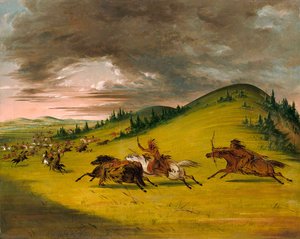 Battle Between Sioux and Sac and Fox - George Catlin
In Battle Between Sioux and Sac and Fox , the lines of George Catlin are not merely drawn; they are choreographed . This is not a simple historical record; it is a dance frozen in time , where the chaotic collision of two powerful tribes is rendered with a startling, rhythmic precision. As you observe this 1848 masterpiece, the air feels charged with the adrenaline of the American frontier, with horses rearing in wild abandon and warriors poised in mid-motion.
Catlin transforms a tumultuous skirmish into a balanced tableau, guiding the eye through a landscape where movement and stillness coexist. The composition captures the very essence of cultural collision, making the raw violence of the battlefield feel like a structured, epic poem. For those seeking to curate a collection of the top 25 artworks of George Catlin , this piece stands as a testament to his ability to find harmony within chaos. What if your professional space or gallery wall could hold that same tension? What if your walls could breathe rhythm and command attention through such profound historical drama?
Buffalo Chase, Bulls Making Battle with Men and Horses - George Catlin
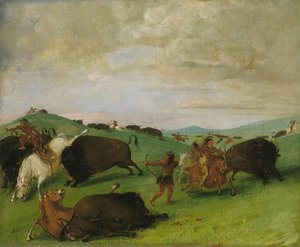 Buffalo Chase, Bulls Making Battle with Men and Horses - George Catlin
In Buffalo Chase, Bulls Making Battle with Men and Horses , George Catlin captures more than a mere hunt; he documents a visceral collision between human survival and the raw power of the American frontier. As one of the top 25 artworks of George Catlin, this piece earns its prestige through its unparalleled ability to freeze a moment of high-stakes drama. The canvas is alive with the kinetic energy of galloping horses and the heavy, muscular presence of charging bulls, rendered in earthy ochres and deep browns that evoke the rugged Great Plains.
Catlin’s mastery lies in his use of thick, textured brushstrokes to convey the dust, sweat, and chaos of the encounter. This work serves as a profound meditation on the fragility of life and the intense bond between man and nature. For the modern collector or professional decorator, integrating such a powerful historical narrative into a curated space offers a timeless conversation piece—a window into a vanishing world that brings depth, movement, and an undeniable sense of heritage to any sophisticated interior.
Wa-másh-ee-sheek, He Who Takes Away; Wa-chésh-uk, War; Mink-chésk, Three Distinguished Young Men - George Catlin
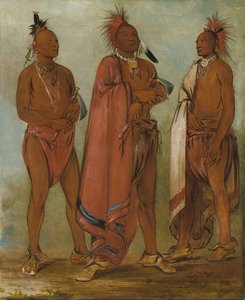 Wa-másh-ee-sheek, He Who Takes Away; Wa-chésh-uk, War; Mink-chésk, Three Distinguished Young Men - George Catlin
In the profound masterpiece Wa-másh-ee-sheek, He Who Takes Away; Wa-chésh-uk, War; Mink-chésk, Three Distinguished Young Men , George Catlin achieves a rare moment of historical stillness. This 1834 work stands as a cornerstone in the top 25 artworks of George Catlin, serving not merely as a portrait but as an immersive window into the dignity of the Pawnee people during an era of immense cultural transition. The composition, featuring three men in a symmetrical profile stance, radiates a solemnity that commands the viewer's attention.
Catlin utilizes a rich, earthy palette of warm reds and deep browns, employing meticulous oil glazing techniques to bring texture to ceremonial headdresses and beaded adornments. The soft, diffused lighting emphasizes the physical materiality of their attire, creating a sense of permanence. For the modern collector or interior designer, this piece offers an unparalleled sense of groundedness and historical weight. Its balanced, geometric structure and organic textures integrate seamlessly into sophisticated, contemporary spaces, providing a powerful focal point that celebrates heritage through a timeless, academic lens.
Stu mick o súcks, Buffalo Bull's Back Fat, Head Chief, Blood Tribe - George Catlin
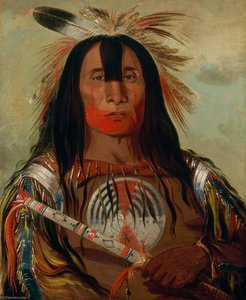 Stu mick o súcks, Buffalo Bull's Back Fat, Head Chief, Blood Tribe - George Catlin
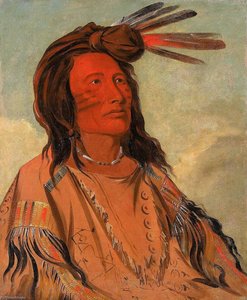
To encounter Stu mick o súcks, Buffalo Bull's Back Fat, Head Chief, Blood Tribe by George Catlin is to witness a profound moment of historical convergence. This 1832 masterpiece transcends simple portraiture; it is a visceral window into a vanishing world. Catlin captures the Head Chief with an unwavering, piercing gaze, his face adorned with striking red pigment that pulses with ritual significance against the canvas. The meticulous detail of the magnificent feather regalia and the interplay of light across the subject's features evoke a sense of immense dignity and spiritual weight.
As you move through this collection of the top 25 artworks of George Catlin , this piece stands out for its psychological depth and cinematic composition. The presence of surrounding figures anchors the Chief within a communal narrative, creating an atmosphere of shared history and resilience. For the discerning collector, integrating this reproduction into a space does more than decorate a wall; it invites the raw, untamed energy of the American frontier into the modern soul, transforming a room into a gallery of enduring human legacy.
Oó-je-en-á-he-a, Woman Who Lives in a Bear - George Catlin
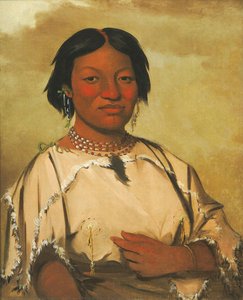 Oó-je-en-á-he-a, Woman Who Lives in a Bear - George Catlin
In the quiet intensity of Oó-je-en-á-he-a, Woman Who Lives in a Bear , George Catlin captures more than a portrait; he preserves a heartbeat from a vanishing era. This 1832 masterpiece stands within our Top 25 because it transcends mere ethnography, utilizing piercing gazes and the symbolic application of red pigment to evoke the spiritual vitality of the Crow people. The way light interacts with the textures of her traditional attire creates a profound emotional resonance that pulls the viewer directly into the 19th-century American frontier.
To possess this work is to bring a piece of historical defiance and cultural dignity into your environment. At ArtsDot.com, we believe such powerful narratives should not be confined to museums. Whether you are furnishing a corporate suite or a private study, this reproduction serves as a sophisticated statement piece. By offering high-quality, hand-painted oil recreations, we ensure that the rich textures and deep tonal ranges of Catlin’s legacy become accessible living decor, transforming any professional or personal space into a sanctuary of historical prestige.
H'co a h'co a h'cotes min, No Horns on His Head, a Brave - George Catlin
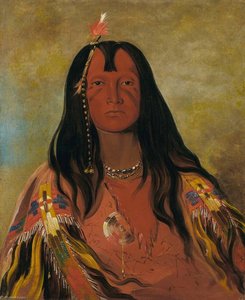 H'co a h'co a h'cotes min, No Horns on His Head, a Brave - George Catlin
Acquiring H'co a h'co a h'cotes min, No Horns on His Head, a Brave by George Catlin represents a profound investment in both historical legacy and refined aesthetic taste for the discerning collector. As one of the top 25 artworks of George Catlin, this 1832 oil masterpiece stands as a cornerstone of American frontier documentation. Its market significance is rooted in its role as a vital ethnographic record, capturing the intense, unblinking gaze of a subject whose culture was on the precipice of irreversible change.
The painting’s power lies in its sensory depth: the striking application of ritualistic red face paint against the subject's skin and the meticulous rendering of intricate necklaces create a visceral connection to the past. Catlin’s technical ability to layer rich pigments allows the sitter's expression of quiet defiance to resonate through time. For modern luxury interiors, a high-quality reproduction of this work provides an unmatched sense of cultural gravity and intellectual depth. Integrating such a piece into a corporate or residential space offers the same aesthetic authority and prestige as the original, serving as a sophisticated focal point that commands attention.
Sha-kó-ka, Mint, a Pretty Girl - George Catlin
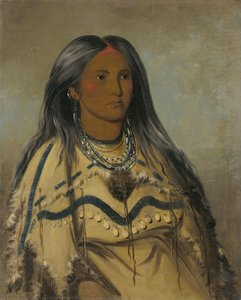 Sha-kó-ka, Mint, a Pretty Girl - George Catlin
In George Catlin’s 1832 masterpiece, Sha-kó-ka, Mint, a Pretty Girl , the light does not merely illuminate a face; it breathes life into a vanishing era. As you stand before this portrait, you feel the warmth of the soft glow catching the intricate textures of her elaborate fur garments, a luminous language that speaks of Mandan wealth and craftsmanship. Catlin composed this light to draw your eyes directly into the subject’s gaze—a look of profound dignity and quiet resilience that bridges the centuries.
The painting is a sensory journey through the American frontier. The striking red streak in her hair vibrates with spiritual vitality, while the subtle shadows around her features suggest the deep, complex history of the Mandan people. This work earns its place among the top 25 artworks of George Catlin because it transcends simple documentation; it invites you into a moment of intimate connection. To possess such a piece is to bring a portal of historical inspiration into your space, where the vibrant colors and soulful atmosphere turn any wall into a window onto the past.
Meach o shín gaw, Little White Bear, a Distinguished Brave - George Catlin
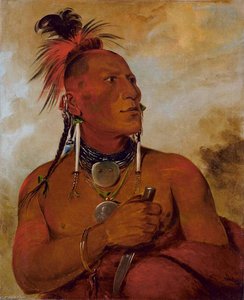 Meach o shín gaw, Little White Bear, a Distinguished Brave - George Catlin
To encounter Meach o shín gaw, Little White Bear, a Distinguished Brave is to experience a profound moment of connection across the centuries. Before the eyes even settle on the canvas, one feels the weight of the American frontier—a sense of a world suspended in time. George Catlin does not merely present a portrait; he captures a living soul through an arresting, knowing smile that defies the passage of decades.
This 1832 masterpiece earns its place among the top 25 artworks of George Catlin due to its unparalleled ability to document a vanishing culture with dignity and vibrant realism. The rich oil textures render every detail—from the delicate plumes of his headdress to the subtle sheen of his necklace—with breathtaking clarity. As he holds his pipe and knife, the painting serves as a powerful emblem of resilience and identity. For the discerning collector or professional decorator, integrating this work into a modern space provides more than just visual depth; it introduces a narrative of heritage and strength, transforming a contemporary room into a sanctuary of historical reflection and enduring human spirit.
Indian Family Alarmed at the Approach of a Prairie Fire - George Catlin
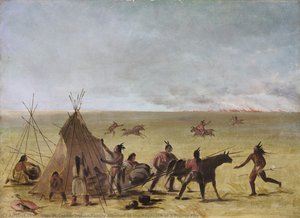 Indian Family Alarmed at the Approach of a Prairie Fire - George Catlin
While traversing the volatile American frontier, George Catlin often painted amidst the very elements he sought to document, sometimes working under the literal smoke of approaching wildfires. In Indian Family Alarmed at the Approach of a Prairie Fire , this raw proximity translates into a masterpiece of tension and movement. The canvas is consumed by a palette of scorched ochre, burnt umber, and a menacing crimson that mirrors the encroaching flames. Catlin utilizes a unique technique of intentional flatness to honor Native American visual perspectives, stripping away traditional Western shading to emphasize the urgent, rhythmic energy of the fleeing Lakota Sioux.
The scene is a sensory onslaught: the heat of the prairie, the frantic movement of horses, and the desperate struggle to preserve the sanctity of the teepee. This profound ability to capture high-stakes drama and historical gravity makes it one of the top 25 artworks of George Catlin . For the discerning professional, displaying such a powerful narrative in a modern study or executive office provides an atmosphere of resilience and deep, contemplative prestige.
Two Comanche Girls - George Catlin
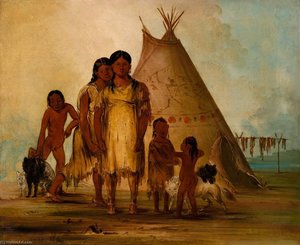 Two Comanche Girls - George Catlin
There is a gaze in Two Comanche Girls by George Catlin that follows you—not with judgment, but with understanding . Painted in 1834, this work transcends simple portraiture; it acts as a mirror to a vanishing era. The two women stand before their teepee with an expression of profound dignity and quiet defiance, their eyes capturing the resilience of the Comanche people amidst a rapidly changing frontier.
Catlin’s masterful technique brings every detail to life, from the graceful drape of traditional garments to the subtle presence of a watchful child and a resting dog. The composition creates a rich, lived-in ecosystem, grounding the viewer in the rhythm of daily life. As one of the top 25 artworks of George Catlin , this piece offers more than historical documentation; it provides an emotional anchor for any collection. Now, imagine that gaze in your space. Not watching you, but reminding you : you are seen. You are part of a much larger, enduring story.
Náh se ús kuk, Whirling Thunder, Eldest Son of Black Hawk - George Catlin
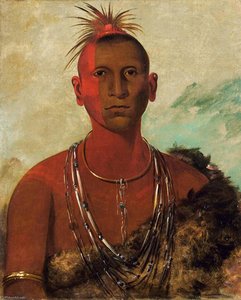 Náh se ús kuk, Whirling Thunder, Eldest Son of Black Hawk - George Catlin
To encounter Náh se ús kuk, Whirling Thunder, Eldest Son of Black Hawk is to witness a moment where history and light converge. In this 1832 masterpiece, George Catlin does not merely record a face; he composes a visual sonata of resilience. The light in this portrait feels intentional, catching the metallic shimmer of gold and silver necklaces against the subject's skin, creating a glow that breathes life into the canvas. Every brushstroke serves to highlight the intricate textures—from the soft, flowing hair tied in a ponytail to the rugged, functional presence of the bow resting upon his back.
As one of the top 25 artworks of George Catlin , this piece captures a profound sense of dignity and the weight of an ancestral legacy. The expansive, open sky in the background provides a quiet, atmospheric stage for the warrior's serious gaze, inviting the viewer into a vanished world. For collectors seeking pieces with deep narrative soul, this painting acts as a portal, bringing the vibrant, enduring spirit of the American frontier directly into your space.
Shon ta yi ga, Little Wolf, a Famous Warrior - George Catlin
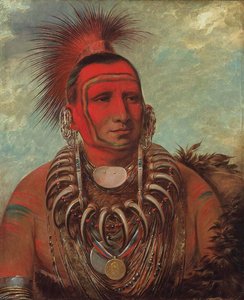 Shon ta yi ga, Little Wolf, a Famous Warrior - George Catlin
To encounter Shon ta yi ga, Little Wolf, a Famous Warrior by George Catlin is to witness a profound moment of historical gravity captured on canvas. As one of the most significant pieces in the top 25 artworks of George Catlin, this 1844 masterpiece commands the room with an almost palpable intensity. The central figure’s gaze, directed toward an unseen horizon, evokes a deep sense of destiny and resilience, making it a cornerstone for any serious collection of American frontier art.
Catlin masterfully utilizes vibrant textures to highlight the warrior's striking red hair and the regal adornments of his necklace, symbols of lineage and strength. The background, populated by figures engaged in the rhythms of communal life, creates a rich narrative tapestry that balances stoic isolation with bustling energy. For the discerning decorator or collector, this painting offers more than mere decoration; it brings a sense of timeless legacy and cultural depth to modern luxury interiors. Its ability to anchor a space with themes of strength and historical permanence ensures its enduring influence on refined aesthetic design.
Máh to tóh pa, Four Bears, Second Chief in Mourning - George Catlin
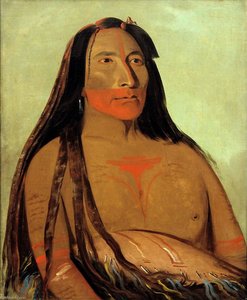 Máh to tóh pa, Four Bears, Second Chief in Mourning - George Catlin
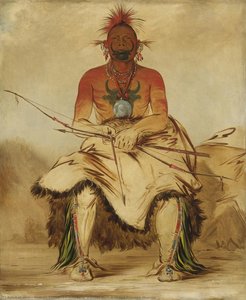
To encounter Máh to tóh pa, Four Bears, Second Chief in Mourning is to witness a profound intersection of strength and sorrow. Painted by George Catlin in 1832, this masterpiece captures the heavy stillness of a mourning rite, where the subject’s crossed arms and stern, direct gaze command an immediate, respectful silence. The vibrant red ceremonial paint against his skin and the intricate textures of his feather headdress serve as visceral reminders of a culture Catlin fought to document before it vanished from the American frontier.
This work earns its place among the top 25 artworks of George Catlin due to its unparalleled ethnographic depth and emotional gravity. It is not merely a portrait, but a window into a vanishing world. At ArtsDot.com, we specialize in bringing this historical resonance into modern professional spaces through high-quality, hand-painted oil reproductions. Our artists meticulously recreate every visible brushstroke and tonal depth, ensuring that the dignity of Four Bears remains a powerful, tactile presence in your collection or corporate interior.
Mah táhp ta a, Rushes through the Middle, a Brave - George Catlin
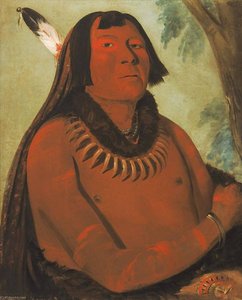 Mah táhp ta a, Rushes through the Middle, a Brave - George Catlin
To encounter Mah táhp ta a, Rushes through the Middle, a Brave is to experience a profound moment of stillness amidst the relentless rush of history. In this 1832 masterpiece, George Catlin does more than paint a portrait; he captures a soul in quiet contemplation. The subject’s gaze, steady and resilient, bridges the gap between the viewer and a vanishing frontier, inviting us into a space of solemn respect. Through meticulous detail—from the textured plumes of his feather headdress to the grounding presence of the natural landscape—Catlin documents the dignity of Native American culture with unparalleled ethnographic precision.
This work earns its place among the top 25 artworks of George Catlin because it serves as both a historical record and an emotional memorial. It transcends mere documentation, offering a window into the endurance of spirit against the backdrop of immense societal change. For the discerning collector or professional decorator, integrating such a narrative-rich piece into a modern space provides more than just visual interest; it introduces a sense of depth, heritage, and contemplative serenity that anchors any architectural environment.
Is sa wáh tám ah, Wolf Tied with Hair, a Chief - George Catlin
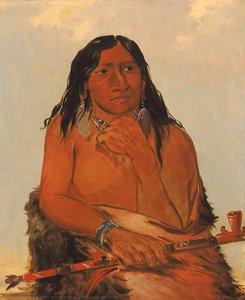 Is sa wáh tám ah, Wolf Tied with Hair, a Chief - George Catlin
To encounter Is sa wáh tám ah, Wolf Tied with Hair, a Chief is to witness a profound act of historical preservation. In this 1834 masterpiece, George Catlin transcends simple portraiture, capturing the quiet dignity and immense cultural weight of a leader poised on the edge of a vanishing era. The chief sits in deep contemplation, his presence anchored by the magnificent feather headdress that crowns his brow, while the ceremonial pipe in his hand serves as a silent conduit for ancestral wisdom.
Catlin’s technique masterfully balances ethnographic precision with a lyrical, painterly atmosphere. The light falls softly upon the subject, illuminating the intricate textures of traditional regalia and the solemnity etched into his expression, while background figures recede into a soft, atmospheric depth. Every element—from the symbolic arrow in the foreground to the subtle interplay of shadow—invites the viewer into a sacred moment of frontier history. This work is not merely an addition to a collection; it is a transformative piece that turns any space into a gallery of the soul , preserving the vibrant spirit of the American West.
Conclusion
To wander through the works of George Catlin is to walk alongside a ghost, witnessing a world that breathed, danced, and thrived long before the encroaching shadows of history arrived. These paintings are far more than mere historical records or static images of a vanished frontier; they are vibrant, living presences that pulse with the dignity of the souls Catlin sought to immortalize. Each stroke of his brush serves as a bridge across centuries, connecting our modern, fast-paced existence to the profound, rhythmic heartbeat of the American West. When we gaze upon these masterpieces, we are not just observing the past—we are participating in a timeless conversation between the artist’s urgent eye and the admirer’s enduring spirit.
As the light fades on this visual journey, we find that great art does not belong solely to museums; it finds its true purpose when it enters our lives, shaping our interiors and stirring our deepest emotions. Whether through a grand canvas that anchors a room or a delicate portrait that invites quiet contemplation, Catlin’s legacy continues to inspire creativity and foster a deep sense of human connection. We invite you to continue this exploration and bring these enduring stories into your own space by browsing our full collection , where the echoes of history are preserved in every hand-painted detail.