
Introduction
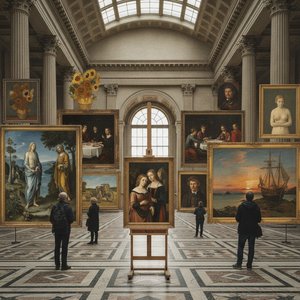
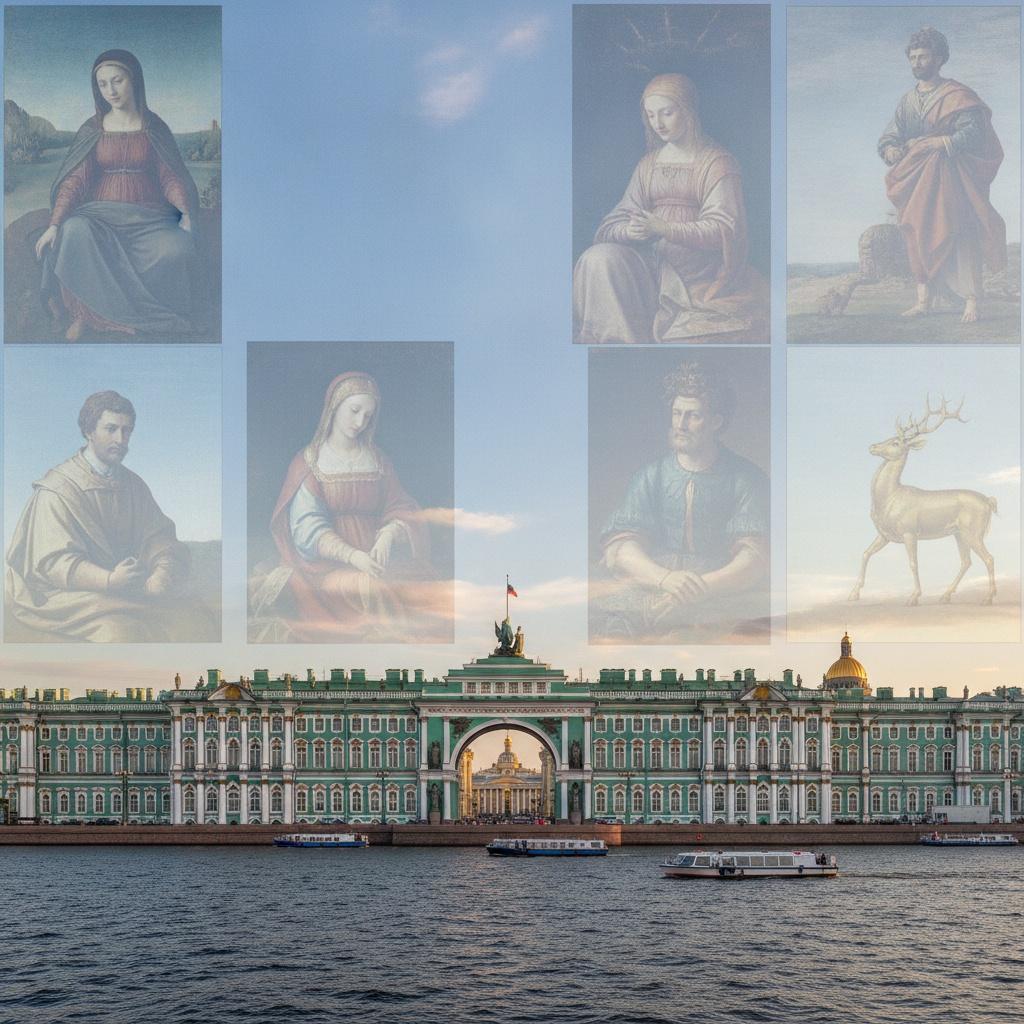
To step into the State Hermitage Museum is to walk through the very heartbeat of imperial history. Located within the breathtaking Winter Palace in Saint Petersburg, this is not merely a gallery, but a sprawling, gilded labyrinth where the grandeur of the Romanov dynasty meets the collective soul of human creativity. As you move through its interconnected halls—from the opulent splendor of the Small Hermitage to the commanding presence of the General Staff Building—you are participating in a dialogue that began with Catherine the Great’s first ambitious acquisitions in 1764. Each corridor offers a sensory immersion into an era where art was the ultimate instrument of cultural diplomacy and imperial prestige.
The collection housed within these walls is staggering, spanning three million objects that trace the evolution of civilization across millennia. Within this vast expanse, certain masterpieces stand as anchors of human emotion and technical mastery. These are works that have survived revolutions, wars, and the shifting tides of political eras, remaining steadfast in their ability to move the viewer. Whether it is the profound spiritual stillness found in a Renaissance altarpiece or the dramatic, light-drenched energy of a Dutch master, these paintings do more than decorate walls; they capture the fleeting essence of the human condition.
In an age of digital reproduction and rapid consumption, the physical presence of these artworks offers a rare moment of stillness. To stand before them is to witness the visible texture of impasto brushstrokes, the subtle depth of aged oils, and the meticulous precision of artists who dedicated their lives to capturing light and shadow. They remain profoundly meaningful today because they serve as a bridge between our modern perspective and the historical consciousness of the past.
As we begin our journey through this curated selection, prepare to encounter works that define the pinnacle of artistic achievement. The following list highlights twenty-five essential masterpieces —pieces that represent the zenith of the Hermitage’s collection and serve as the definitive landmarks for anyone seeking to understand the profound legacy of Saint Petersburg's most treasured sanctuary.
Harmony in Red - Henri Matisse
 Harmony in Red - Henri Matisse
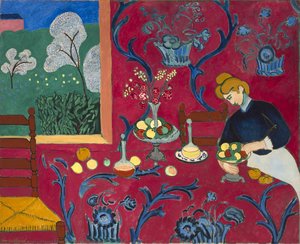
To stand before Harmony in Red by Henri Matisse is to witness the very moment color broke free from reality. The surface of this 1908 masterpiece vibrates with a rhythmic intensity; notice how the thick, deliberate brushstrokes create a textured topography of saturated crimsons and deep magentas. This isn't merely a depiction of a domestic scene, but a revolutionary experiment in Fauvist emotion, where the flattened perspective and bold, non-naturalistic palette challenge every traditional rule of depth.
The interplay between the warm, overwhelming reds and the cool, verdant accents through the window creates a visual tension that defines its status among the top 25 artworks in the Hermitage Museum, Saint Petersburg. At ArtsDot.com, we specialize in capturing this exact tactile, three-dimensional quality. Our hand-painted oil reproductions meticulously recreate Matisse’s impasto textures and the physical weight of his pigment, ensuring that the expressive soul and structural depth of this modern icon are preserved for your own collection.
The return of the prodigal son - Rembrandt van Rijn
 The return of the prodigal son - Rembrandt van Rijn
Rembrandt van Rijn’s The Return of the Prodigal Son is a profound masterclass in emotional depth, standing as one of the most significant highlights among the top 25 artworks in the Hermitage Museum, Saint Petersburg. This 1662 masterpiece transcends mere biblical illustration; it is a visceral exploration of repentance and unconditional grace. Through his legendary use of chiaroscuro , Rembrandt sculpts figures from deep, velvety shadows, using a singular, radiant shaft of light to illuminate the kneeling son and the father’s tender, weathered hands.
The painting’s dramatic interplay of light and dark creates a somber yet hopeful atmosphere that continues to influence modern visual storytelling. For today's interior designers and collectors, the work’s rich, earthy palette and heavy textures offer a timeless blueprint for creating spaces of quiet contemplation and sophisticated drama. Its ability to capture the weight of human regret alongside the warmth of reconciliation ensures its lasting legacy as a cornerstone of the Dutch Golden Age and a must-see treasure within the Hermitage's imperial halls.
Street in Saintes-Maries - vincent willem van gogh
 Street in Saintes-Maries - vincent willem van gogh
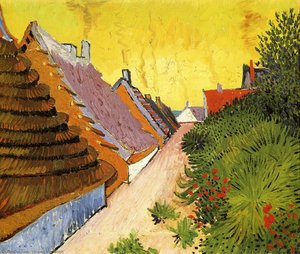
A sun-drenched path of gold and ochre beckons the viewer into the heart of Provence with Street in Saintes-Maries by Vincent van Gogh. This masterpiece stands as a vital pillar in our selection of the top 25 artworks in the Hermitage Museum, representing a pivotal moment in Post-Impressionist history where emotion began to dictate form. Through his signature thick impasto technique, Van Gogh transforms a simple French village into a rhythmic dance of light and movement, using vibrant oranges and deep purples to capture the intense heat of the Arles summer.
The painting’s inclusion in this prestigious collection is due to its profound ability to convey psychological depth through color; the leaning architecture and distorted perspectives offer a window into the artist's turbulent yet brilliant spirit. This energetic composition does more than document a landscape—it creates an atmosphere of vitality that continues to influence modern aesthetic sensibilities. By choosing a high-fidelity reproduction, you can bring this transformative presence into your own home, office, or personal gallery, allowing the radiant energy of Van Gogh’s vision to redefine your interior space.
Le Retour De L Enfant Prodigue - Rembrandt van Rijn
 Le Retour De L Enfant Prodigue - Rembrandt van Rijn
A profound silence settles over the viewer when encountering Le Retour De L Enfant Prodigue by Rembrandt van Rijn, a masterpiece where light does not merely illuminate, but forgives. As part of our mission to democratize beauty, we recognize this work as a cornerstone of the Hermitage Museum’s collection, standing as an unparalleled achievement of the Dutch Golden Age. This painting earns its place among the top 25 artworks in the Hermitage due to its staggering emotional depth and Rembrandt’s legendary command of chiaroscuro .
The scene captures the biblical moment of reconciliation through a dramatic interplay of shadow and warmth, where golden hues and deep reds evoke the palpable tenderness of a father's embrace. The heavy, textured brushwork and luminous highlights create a spiritual gravity that has influenced visual culture for centuries. This atmosphere of quiet prestige and contemplative grace offers more than historical value; it provides a timeless aesthetic inspiration. Through high-fidelity oil reproductions, you can bring this transformative presence and the soul-stirring light of Rembrandt into your own home, office, or personal gallery.
Dance (II) - Henri Matisse
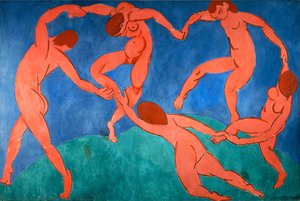 Dance (II) - Henri Matisse
To stand before Henri Matisse’s Dance (II) is to witness the raw power of the Fauvist movement. One cannot help but be drawn to the visceral texture of the work; the loose, fluid brushstrokes prioritize rhythmic motion over anatomical precision, creating a surface that feels alive with energy. The striking contrast between the deep, hypnotic blue of the sky and the vibrant, sun-drenched red of the figures creates a visual vibration that defines this as one of the top 25 artworks in the Hermitage Museum, Saint Petersburg.
This masterpiece rejects traditional realism, using saturated, flat planes of color to evoke a primal, universal ritual. At ArtsDot.com, we understand that the true essence of such a revolutionary work lies in its tactile depth. Our high-end oil reproductions are meticulously hand-painted on 100% cotton canvas, capturing the essential impasto and visible brushwork that a mere print lacks. We aim to bring this same three-dimensional, emotional intensity from the halls of the Hermitage directly into your professional or private space.
St - El Greco
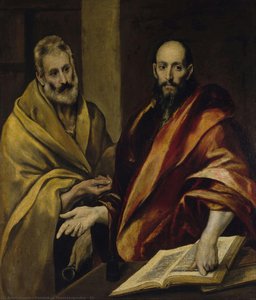 St - El Greco
In El Greco’s St. , the viewer is immediately arrested by a gaze that transcends the physical plane, pulling you into a profound dialogue between the earthly and the divine. As one of the most striking pieces among the top 25 artworks in the Hermitage Museum, Saint Petersburg, this masterpiece captures an intense psychological depth through the contrasting spirits of Paul and Peter. The fiery, resolute expression of the figure in the saturated crimson cloak clashes beautifully with a more contemplative, vulnerable presence, creating a universal mirror of human conviction and doubt.
The artist’s signature Mannerist style—characterized by elongated forms and a dramatic, flickering light that seems to emanate from within the figures themselves—creates an atmosphere of spiritual weight. The heavy, sculptural folds of the robes and the stark use of chiaroscuro lend a quiet prestige to the composition. Integrating such a powerful work of emotional resonance into your own environment can transform a personal sanctuary into a space for profound reflection, bringing the transcendent energy of the Hermitage directly into your home.
Flora - Rembrandt van Rijn
 Flora - Rembrandt van Rijn
To encounter Flora by Rembrandt van Rijn is to witness a moment where personal devotion transcends the canvas to become eternal myth. Painted in 1634, this masterpiece captures Rembrandt’s beloved wife, Saskia, reimagined as the Roman goddess of spring. The painting radiates a soft, burgeoning vitality, utilizing the master's signature chiaroscuro to illuminate her youthful features against a lush, shadowed backdrop of vines and blossoms. It earns its place among the top 25 artworks in the Hermitage Museum through its profound emotional depth; it is not merely a portrait, but a luminous celebration of love and renewal.
The interplay of light on the delicate textures of her gown and the intricate floral arrangements offers a sensory experience that remains breathtaking centuries later. At ArtsDot.com, we believe such transformative beauty should not be confined to museum walls. By bringing a high-quality oil reproduction of this Dutch Golden Age treasure into your professional or private space, you transform a simple room into a sanctuary of historical grandeur and refined elegance.
Holy Family - Rembrandt van Rijn
 Holy Family - Rembrandt van Rijn
A soft, amber glow pierces through the shadows of a humble workshop, inviting us into the quiet intimacy of Rembrandt van Rijn’s "Holy Family." At ArtsDot.com, we believe in democratizing beauty, ensuring that the profound emotional depth found in the world's greatest museums is accessible to all. This masterpiece earns its place among the top 25 artworks in the Hermitage Museum through its unparalleled use of chiaroscuro , where dramatic light and deep umber tones transform a domestic scene into a celestial event.
Rembrandt rejects distant iconography, instead offering a tactile realism—the rough grain of wood, the heavy folds of fabric, and the subtle presence of hovering angels—that makes the divine feel profoundly human. This mastery of atmosphere creates a timeless emotional power that continues to influence visual culture. For the modern decorator or collector, such a work offers more than decoration; it provides a focal point of prestige and soul. Through our high-fidelity oil reproductions, you can bring this transformative presence and the quiet majesty of the Dutch Golden Age into your own home, office, or personal gallery.
Apostles Peter and Paul - El Greco
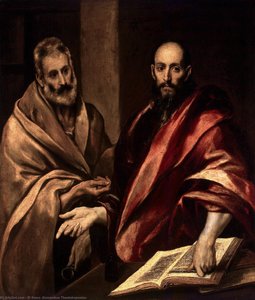 Apostles Peter and Paul - El Greco
In the hallowed halls of the Hermitage Museum, Saint Petersburg, few works command the room with such spiritual gravity as Apostles Peter and Paul by El Greco. To look closely at this 1592 masterpiece is to realize that the lines aren’t merely drawn; they are choreographed . This is not a static composition; it is a dance frozen in time , where the elongated, Mannerist figures emerge from deep shadows through a masterful use of chiaroscuro.
The painting captures a profound moment of reconciliation, with the two apostles engaged in an earnest, silent dialogue. The rich, crimson robes and the dramatic interplay of light against the dark background create a palpable sense of depth and volume. As one of the top 25 artworks in the Hermitage Museum, this piece transcends historical documentation to offer pure emotional intensity. It invites you to consider: what if your own walls could breathe rhythm ? What if your living space could hold this same exquisite balance between divine light and earthly shadow?
Madonna Litta - Leonardo da Vinci
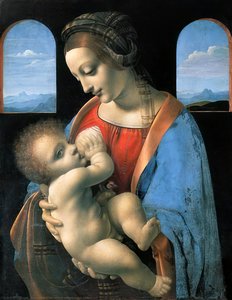 Madonna Litta - Leonardo da Vinci
To stand before one of the most profound enigmas of the High Renaissance is to witness the very moment light meets soul. Within the hallowed halls of the Hermitage Museum, Saint Petersburg, a quiet miracle unfolds in Madonna Litta by Leonardo da Vinci . This masterpiece does not merely depict a scene; it breathes with the soft, atmospheric mystery of sfumato , where edges dissolve into a tender, hazy grace. As you gaze upon the Virgin cradling the Christ child, the subtle gradations of tone and the delicate, translucent glazes create an ethereal presence that feels almost tactile.
The composition, framed by arched windows that open onto a distant, dreamlike landscape, pulls the viewer into a space of deep spiritual contemplation. Every detail—from the symbolic goldfinch to the serene, maternal gaze—serves as a testament to Leonardo's unparalleled ability to blend anatomical precision with divine emotion. As one of the top 25 artworks in the Hermitage Museum, this painting remains a cornerstone of art history, reminding us how a single, masterful stroke can transform a canvas into an eternal window of peace and human connection.
St Luke Drawing a Portrait of the Madonna - Rogier van der Weyden
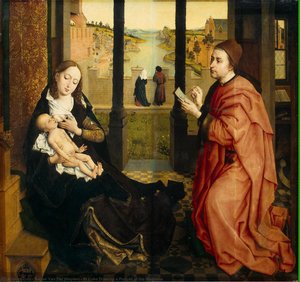 St Luke Drawing a Portrait of the Madonna - Rogier van der Weyden
A profound sense of devotional stillness permeates St Luke Drawing a Portrait of the Madonna by Rogier van der Weyden , anchored by the deep, velvety shadows and the luminous, warm skin tones that define this Early Netherlandish masterpiece. The palette is a sophisticated balance of rich, saturated pigments and soft, naturalistic light, a technical mastery that secures its position among the top 25 artworks in the Hermitage Museum, Saint Petersburg. Van der Weyden uses light not just to illuminate, but to sculpt emotion, capturing the delicate textures of fabric and the serene, pious gaze of the Virgin Mary.
For the modern interior designer or decorator, this painting offers a blueprint for creating spaces of quiet luxury and contemplation. The harmonious interplay between dark, moody backgrounds and radiant highlights can be used to curate emotional lighting in a formal dining room or a sophisticated study. Integrating a high-quality reproduction of this work allows you to introduce a sense of historical weight and tranquil atmosphere, perfect for professional hospitality projects seeking to evoke timeless elegance and spiritual depth.
The Holy Family with St. Elizabeth and John the Baptist - Nicolas Poussin
 The Holy Family with St. Elizabeth and John the Baptist - Nicolas Poussin
While Nicolas Poussin is celebrated as the father of French Classicism, his creative soul was forged in the intense, sun-drenched atmosphere of Rome, where he traded Venetian sensuality for a rigorous, intellectual devotion to antiquity. In The Holy Family with St. Elizabeth and John the Baptist (1655), this transformation reaches its zenith. As one of the top 25 artworks in Hermitage Museum, Saint Petersburg , this piece serves as a masterclass in illusionism and compositional restraint.
Poussin eschews the violent shadows of Caravaggio, opting instead for a subtle, gradated light that bathes Mary, Joseph, and the infant saints in a serene, diffused glow. The figures are arranged with mathematical harmony against a tranquil river valley, creating a landscape that feels both physically real and spiritually eternal. Every fold of drapery and texture of stone is rendered with painstaking precision, inviting the viewer into a state of quiet contemplation. The profound sense of order and intellectual clarity found within this masterpiece offers a perfect blueprint for those seeking to cultivate a focused, sophisticated atmosphere in a modern home office or professional study.
Descent from the Cross - Nicolas Poussin
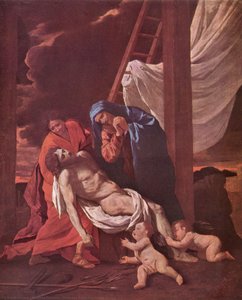 Descent from the Cross - Nicolas Poussin
In Nicolas Poussin’s Descent from the Cross , the viewer is immediately met with a profound sense of heavy, silent grief that transcends the biblical narrative. As you stand before this masterpiece within the top 25 artworks in the Hermitage Museum, Saint Petersburg, the limp, vulnerable form of Christ being lowered by angels serves as a universal mirror for human loss and the quiet dignity found in suffering. Poussin masterfully utilizes a turbulent, bruised sky of purples and greys to reflect an internal emotional upheaval, while the presence of mourning figures like Mary Magdalene anchors the scene in deep psychological reality.
The composition is a study in balance; even amidst the tragedy, there is a classical harmony that invites contemplation. The subtle symbolism—from the ladders representing the journey toward redemption to the birds hinting at resurrection—creates a layered experience for the observer. Integrating a high-quality reproduction of this powerful work into your own environment can transform a personal sanctuary into a space for profound reflection and calm, bringing the somber, majestic atmosphere of the Winter Palace into your home.
On the Sailing Boat - Caspar David Friedrich
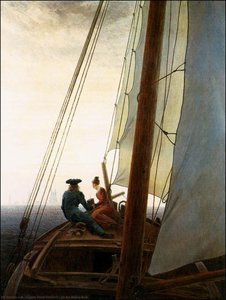 On the Sailing Boat - Caspar David Friedrich
Imagine drifting upon a silent, glass-like sea, where the only sound is the gentle ripple of water against wood. In Caspar David Friedrich’s 1819 masterpiece, On the Sailing Boat , this profound stillness takes form. As one of the most evocative works within the Hermitage Museum, Saint Petersburg , this painting captures the essence of German Romanticism through a lens of deep, meditative solitude.
The composition is deceptively simple yet emotionally vast; two figures navigate a small vessel, their presence dwarfed by the expansive, tranquil atmosphere. Friedrich uses light and subtle textures to weave a narrative of human existence intertwined with the infinite beauty of nature. The inclusion of a small clock near the corner serves as a poignant memento mori, reminding us of the fleeting passage of time amidst the eternal sea. For the modern collector or decorator, bringing a reproduction of this piece into a professional or residential space offers more than mere decoration; it introduces a focal point of calm and intellectual reflection, perfect for inspiring creativity and a sense of peace in any architectural setting.
Peasant-Girls with Brushwood - Jean-François Millet
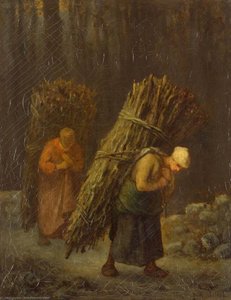 Peasant-Girls with Brushwood - Jean-François Millet
In the quiet, twilight hours of the French countryside, Jean-François Millet captured a moment that transcends mere labor to touch the very soul of human endurance. Peasant-Girls with Brushwood , a standout among the top 25 artworks in the Hermitage Museum, Saint Petersburg, is far more than a depiction of daily toil; it is a profound meditation on resilience. As these two women navigate a somber landscape, their heavy bundles of brushwood become symbols of the inescapable weight of existence.
There is a gaze in Peasant-Girls with Brushwood by Jean-François Millet that follows you—not with judgment, but with understanding . This isn’t just a painting; it is a mirror reflecting the dignity found in struggle. Millet, a master of the Barbizon School, uses earthy browns and deep forest greens to ground the scene in a gritty, tactile reality. Now, imagine that quiet strength in your space. Not watching you, but reminding you : you are seen. You are part of this enduring story.
Lute Player (detail) - Caravaggio
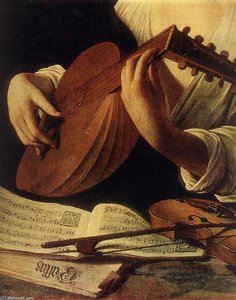 Lute Player (detail) - Caravaggio
Acquiring a piece inspired by the Lute Player (detail) by Caravaggio is an investment in a profound artistic legacy and a testament to refined taste for any discerning collector. As one of the most significant works within the top 25 artworks in 'Hermitage Museum, Saint Petersburg', this masterpiece exemplifies the revolutionary tenebrismo technique. The dramatic interplay of light and shadow—where brilliant illumination strikes the musician's hands against an impenetrable darkness—creates a psychological depth that has influenced generations of masters, from Rubens to Rembrandt.
The composition is a sensory symphony; the presence of the lute, violin, and scattered books invites a meditation on knowledge and ephemeral beauty. The stark, realistic textures and the intense chiaroscuro provide a commanding visual weight that remains unparalleled in Baroque history. For the modern professional decorating high-end corporate spaces or luxury hospitality suites, a high-quality oil reproduction of this work carries the same aesthetic authority and prestige, offering a sophisticated focal point that anchors a room with timeless elegance and historical status.
Moonrise by the Sea - Caspar David Friedrich
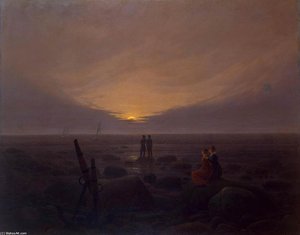 Moonrise by the Sea - Caspar David Friedrich
In Moonrise by the Sea by Caspar David Friedrich, the viewer is immediately drawn to the masterful interplay of light and texture. The brushwork captures the cool, atmospheric mist of the Baltic coast, where subtle, layered strokes create a palpable sense of sea spray and the velvety weight of the night sky. This technique, utilizing dramatic chiaroscuro, allows the luminous moon to pierce through the clouds, casting a spiritual glow over the silhouetted figures perched upon the rugged rocks.
As one of the top 25 artworks in the Hermitage Museum, Saint Petersburg, this piece defines the Romantic era's obsession with the sublime—the breathtaking moment where human emotion meets the infinite cosmos. At ArtsDot.com, we strive to preserve this exact tactile, three-dimensional quality. Our hand-painted oil reproductions meticulously recreate Friedrich’s visible brushstrokes and deep tonal ranges, ensuring that the profound stillness and emotional depth of this German masterpiece are brought into your own space with authentic, museum-grade precision.
Crucifixion - Bernardino Luini
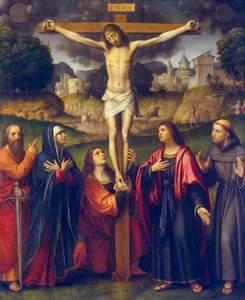 Crucifixion - Bernardino Luini
In Bernardino Luini’s Crucifixion , a profound sense of somber reverence is established through a palette of deep, muted earth tones and heavy, shadowed blues. This mastery of light and shadow—a direct legacy of his apprenticeship with Leonardo da Vinci—is precisely why this work remains a cornerstone among the top 25 artworks in Hermitage Museum, Saint Petersburg . The way the rich, crimson robes of the mourners contrast against the atmospheric, hazy mountains creates a visual tension between human grief and eternal stillness.
For those looking to curate a sophisticated atmosphere in a modern dining room or study, this painting offers a masterclass in emotional lighting. The subtle use of sfumato and the interplay of warm ochre with cool, twilight hues can inspire a decor scheme centered on quiet prestige and contemplative depth. Integrating such a classic color story allows a space to feel anchored by history, providing a dignified, textured backdrop that evokes the timeless elegance found only in the world's greatest imperial collections.
Self-Portrait - Sir Anthony van Dyck
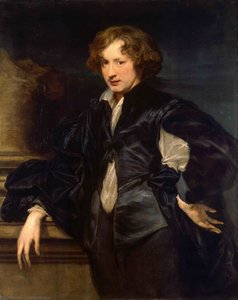 Self-Portrait - Sir Anthony van Dyck
Before he became the definitive painter of the English aristocracy, a young Sir Anthony van Dyck was navigating the shadow of his mentor, Peter Paul Rubens. In this 1622 self-portrait, found among the top 25 artworks in Hermitage Museum, Saint Petersburg , we witness a pivotal moment of artistic emancipation. Van Dyck does not merely replicate Rubens' exuberant energy; instead, he introduces a controlled, aristocratic elegance that would redefine Baroque portraiture.
The canvas vibrates with a quiet, commanding authority. His direct gaze pierces the viewer, while the meticulous rendering of his dark, textured suit and the subtle sheen of fine fabric showcase a technical mastery of light and shadow. The muted palette of deep blacks and rich browns creates an atmosphere of dignified restraint, focusing entirely on his burgeoning persona. This level of intense focus and the deliberate construction of a professional identity serve as a profound inspiration; much like the artist’s disciplined execution, integrating such a commanding presence into a modern home office or study can foster an environment of unparalleled sophistication and productive ambition.
Slave Market in Rome - Jean-Léon Gérôme
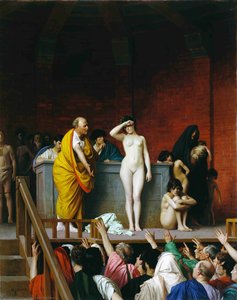 Slave Market in Rome - Jean-Léon Gérôme
In the vast corridors of the Hermitage Museum, Saint Petersburg, few works command attention with such visceral intensity as Slave Market in Rome by Jean-Léon Gérôme. This 1884 masterpiece serves as a haunting window into the shadows of antiquity, stripping away the romanticized veneer of the Roman Empire to reveal a stark, unflinching reality. At its heart, the composition centers on a vulnerable figure, her nakedness contrasted against the calculating gazes of merchants and onlookers, creating a profound meditation on power, commodification, and the loss of human agency.
Gérôme’s technical mastery is evident in the way light dances across the stone platform and the textured, sun-drenched robes of the crowd, pulling the viewer into this chaotic, historical marketplace. As one of the top 25 artworks in the Hermitage collection, it remains a powerful cultural talking point; its themes of social hierarchy and the objectification of individuals resonate deeply within our modern discourse on human rights and ethics. It is not merely a historical reconstruction, but an enduring emotional encounter that continues to provoke thought in any curated space.
Portrait of Pope Paul III - Titian Ramsay Peale II
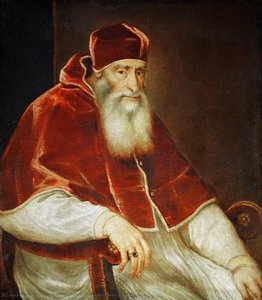 Portrait of Pope Paul III - Titian Ramsay Peale II
In the vast corridors of the Hermitage Museum, Saint Petersburg, the Portrait of Pope Paul III by Titian Ramsay Peale II offers a profound encounter with the weight of history and the brilliance of Renaissance-inspired realism. This work captures the essence of papal authority through a striking interplay of light and shadow, where the vibrant, saturated reds of the pontiff’s robes command the viewer's attention against a somber, atmospheric background. Peale II masterfully employs a luminous color palette that echoes the Venetian masters, creating a sense of tactile depth and dignified presence.
As one of the standout pieces in this collection of the top 25 artworks in the Hermitage Museum, Saint Petersburg, this portrait serves as a bridge between American naturalist precision and European classical grandeur. Its dramatic use of chiaroscuro and rich, regal tones provides timeless inspiration for modern interior design, where bold, historical accents are used to create spaces of intellectual depth and sophisticated ambiance. The painting does more than document a figure; it invites us into a moment of quiet, monumental contemplation.
Penitent St Mary Magdalene - Titian
 Penitent St Mary Magdalene - Titian
A deep, somber crimson dominates Penitent St Mary Magdalene by Titian, setting a mood of profound spiritual gravity and intense devotion. This masterwork, one of the top 25 artworks in the Hermitage Museum, Saint Petersburg, showcases the Venetian master's revolutionary use of color to convey human vulnerability. Titian employs a palette of rich reds, warm golds, and earthy browns, utilizing heavy impasto to create a tactile surface where light and shadow dance across the canvas. The dramatic chiaroscuro pulls the Saint from the darkness toward a celestial glow, mirroring her journey from sin to redemption.
For professionals decorating high-end corporate spaces or luxury hospitality suites, this painting offers unparalleled inspiration. The dramatic interplay of light and muted, earthy tones can be used to curate sophisticated, contemplative atmospheres in dining rooms or executive lounges. Integrating such powerful color schemes allows designers to establish a focal point of quiet prestige, bringing the emotional depth and historical weight of the Renaissance into a modern architectural context.
David and Jonathan - Rembrandt van Rijn
 David and Jonathan - Rembrandt van Rijn
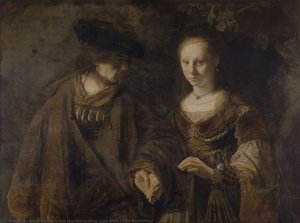
In the quiet shadows of the Hermitage Museum, Saint Petersburg, a profound moment of human connection emerges from the darkness of Rembrandt van Rijn’s 1642 masterpiece, David and Jonathan . The scene is not one of grand biblical spectacle, but of an intimate, heartbreaking farewell. As light catches the textures of heavy fabrics and the glint of a sword, we witness the raw emotion of two souls bound by loyalty. Rembrandt utilizes his legendary chiaroscuro to pull the viewer into this embrace, where the weight of grief is palpable in the soft, sorrowful lines of their faces.
The painting transcends its historical narrative, offering a masterclass in psychological depth and the use of light to evoke empathy. The rich, earthy tones and dramatic interplay of shadow create an atmosphere of solemnity that remains strikingly modern. For those looking to bring a sense of contemplative strength and timeless dignity into a professional or residential space, this work serves as a powerful anchor, inspiring moments of reflection and deep emotional resonance.
Luncheon - Diego Velázquez
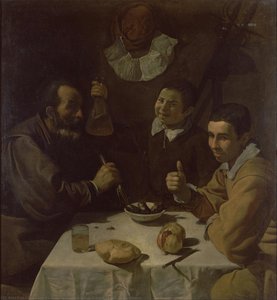 Luncheon - Diego Velázquez
To encounter Luncheon by Diego Velázquez is to step into a private, whispered moment of the Spanish Golden Age, far removed from the rigid ceremonies of the Habsburg court. As one of the most profound highlights among the top 25 artworks in the Hermitage Museum, Saint Petersburg, this 1617 masterpiece offers an intimate glimpse into human connection through its remarkable psychological depth and atmospheric mastery.
Velázquez employs a revolutionary use of light and shadow, where soft pools of illumination dance across the table, highlighting simple elements—a knife, an apple, and shared bowls—while the background dissolves into a mysterious, velvety darkness. This masterful chiaroscuro creates a sense of profound volume and immediacy, as if the viewer has just interrupted a quiet conversation. For the discerning collector or designer, the painting’s muted palette and serene composition provide a timeless aesthetic that resonates perfectly within refined, modern luxury interiors. It is not merely a depiction of a meal, but a study in the beauty of the understated, embodying a legacy of elegance that remains eternally captivating.
Reclining Woman - Gustave Courbet
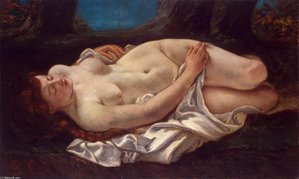 Reclining Woman - Gustave Courbet
Step into a moment of profound stillness with Gustave Courbet’s Reclining Woman , a masterpiece of Realism held within the prestigious halls of the Hermitage Museum, Saint Petersburg. The scene unfolds with an intimate, cinematic quality: a woman rests in quiet repose beneath the heavy, protective canopy of mature trees, her form blending seamlessly into the earthy textures of the French countryside. Courbet rejects the polished idealism of his era, instead using a thick, tactile impasto technique to capture the raw physicality of skin and bark through muted, organic tones.
There is an undeniable weight to this work—a sense of permanence and unvarnished truth that transcends the canvas. The heavy layers of paint create a sensory experience, where the roughness of nature meets the softness of human vulnerability. In a modern interior, such a piece serves as more than mere decoration; its grounded, earthy palette and tranquil atmosphere offer a meditative anchor, inviting a sense of calm, authenticity, and deep reflection into any sophisticated living space.
Conclusion
As the light fades over the Neva River and the grand halls of the Winter Palace settle into a quiet evening stillness, we are left with the lingering echoes of these twenty-five masterpieces. To walk through the Hermitage is to realize that these works are far more than mere relics of a Tsarist past or static objects behind velvet ropes; they are living, breathing presences. They possess an enduring ability to bridge the centuries, connecting the profound emotions of the Renaissance and the Baroque eras to our own modern sensibilities. Each brushstroke from Poussin, Rembrandt, or Da Vinci carries a pulse that continues to beat within our contemporary world, reminding us of the shared human experience—of our capacity for devotion, our fascination with light, and our eternal search for beauty.
These paintings do not belong solely to the corridors of Saint Petersburg; they reside in the way we perceive color, the way we structure our spaces, and the way we seek meaning in the everyday. When we bring the spirit of these classics into our own homes, we are participating in an ancient dialogue, allowing the grandeur of history to soften our walls and inspire our daily lives. They transform a mere room into a sanctuary of culture, turning a house into a space of reflection and wonder. We invite you to continue this journey of discovery and bring a piece of this eternal legacy into your own environment by exploring our full collection .