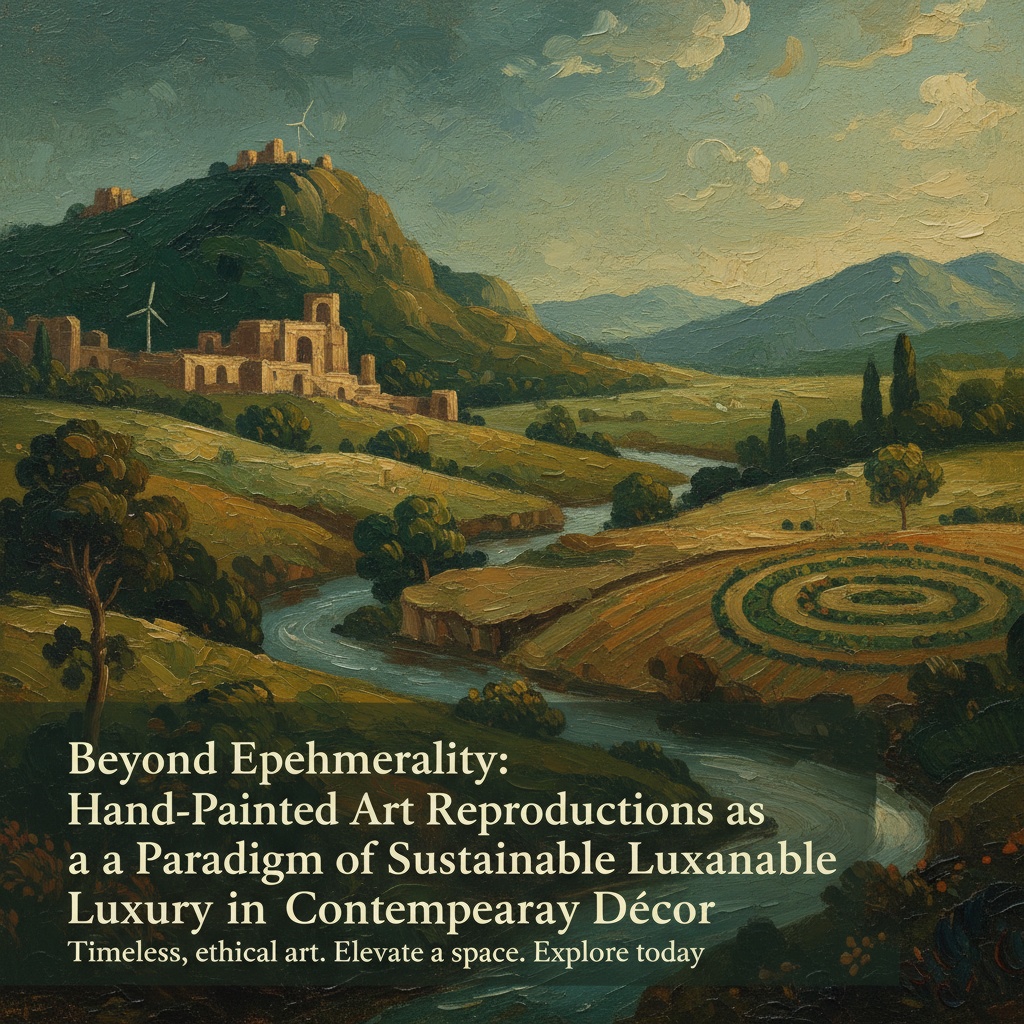





The Allure of Enduring Value: Why Hand-Painted Reproductions Transcend Trends
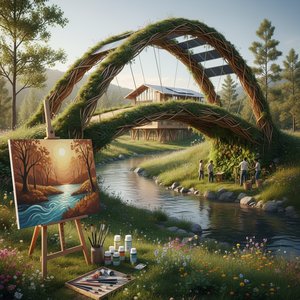 Bridging Art & Ecology: Sustainable Practices at
Discover how blends artistic excellence with environmental responsibility. Explore our sustainable practices, custom reproductions using eco-friendly materials, and commitment to preserving art for generations.
For centuries, art has been synonymous with enduring value and cultural significance. Yet the traditional art market often operates within a framework that prioritizes rarity and provenance above all else—a realm inaccessible to many. But what if the essence of a masterpiece, its emotional resonance and aesthetic power, could be experienced without the constraints of exorbitant price tags or complex histories? This is the promise fulfilled by hand-painted art reproductions, an increasingly sophisticated field redefining luxury not through exclusivity, but through craftsmanship, sustainability, and a deeply personal connection to artistic heritage. The desire to possess beauty isn’t new; it's woven into the fabric of human experience. Throughout history, individuals have sought ways to bring iconic imagery into their lives, from early studio copies commissioned by discerning patrons to the advent of printmaking that democratized access to visual culture. Today’s reproductions represent a refinement of this age-old impulse—a commitment to artistry and quality that elevates them far beyond mere imitation.
A Legacy of Replication: Tracing the History of Art Reproduction & Authenticity
Oil painting reproductions are paintings that have been created by copying in oils an original oil painting by an artist. Oil painting reproductions are distinct from original oil painting such as are often of interest to collectors and museums. Oil ...
The practice of creating replicas dates back to antiquity, initially serving as a means for artists to expand their reach and train apprentices. During the Renaissance, workshops routinely produced copies of masterworks, often with the artist’s direct involvement or supervision—categorized today as ‘studio of’ or ‘circle of.’ These weren't considered lesser works; they were extensions of the original vision, imbued with the skills and knowledge passed down through generations. The invention of printmaking in the 15th century further broadened access to art, allowing for wider circulation of images, but also sparked debates about authenticity and originality. As photography emerged in the 19th century, mechanical reproduction became increasingly prevalent, leading to concerns about the loss of artistic touch. However, this era also fueled a renewed appreciation for handcraftsmanship—a reaction against the perceived coldness of mass production. Modern hand-painted reproductions stand as a conscious return to these traditional values, bridging the gap between accessibility and artistry. They acknowledge their status as interpretations while upholding rigorous standards of quality and technique, offering a tangible connection to the original artwork’s spirit.
Sustainable Canvas: The Environmental Impact and Ethical Sourcing in Fine Art
Sustainable art is art in harmony with the key principles of sustainability, which include ecology, social justice, non-violence and grassroots democracy. Sustainable art may also be understood as art that is produced with consideration for the wider...
The creation of art, like any human endeavor, carries an environmental footprint. Conventional oil painting relies on solvents, pigments derived from potentially harmful sources, and canvases often produced using unsustainable methods. The transportation of artworks also contributes to carbon emissions. Increasingly, however, artists are recognizing the importance of minimizing this impact through responsible choices at every stage of production—a movement known as sustainable art. This includes utilizing water-based paints with low VOCs (volatile organic compounds), sourcing canvases made from recycled materials or organically grown flax, and employing framing components crafted from sustainably harvested wood. Beyond material selection, ethical considerations are paramount. Supporting workshops that provide fair wages, safe working environments, and opportunities for artistic development is crucial. The very act of choosing a reproduction created with these principles in mind becomes an affirmation of values—a commitment to environmental stewardship and social responsibility.
Craftsmanship Reimagined: Identifying Quality and Artistic Skill in Modern Reproductions
Ethical consumerism (alternatively called ethical consumption, ethical purchasing, moral purchasing, ethical sourcing, or ethical shopping and also associated with sustainable and green consumerism) is a type of consumer activism based on the concept...
A high-quality hand-painted reproduction isn’t simply a copy; it's a testament to the skill and dedication of the artist. It requires more than technical proficiency—it demands an understanding of painting techniques, color theory, and art history. The process typically involves layering paint to create dimension and luminosity, meticulously replicating brushstrokes, and employing glazing techniques to achieve subtle nuances in tone and color. Attention to detail is paramount, from the accurate rendering of facial expressions to the faithful reproduction of intricate patterns. A skilled artist will often incorporate their own unique interpretation while remaining true to the original artwork’s spirit—a delicate balance between imitation and artistic expression. The use of premium-grade materials – oil paints with rich pigments and durable canvases – also contributes significantly to the longevity and aesthetic appeal of the reproduction. Look for evidence of texture, depth, and a sense of movement in the brushwork; these are hallmarks of genuine craftsmanship.
Beyond the Original: Customization, Personalization, and the Power of Bespoke Art
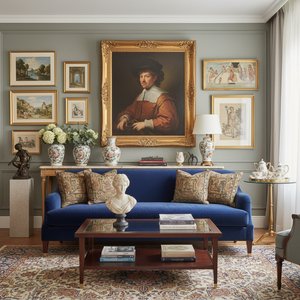
One of the most compelling aspects of hand-painted reproductions is the ability to tailor them to your specific preferences. Unlike acquiring a pre-existing artwork, you have the power to customize size, framing, and even artistic style. Imagine commissioning a reproduction of Van Gogh’s *Starry Night* in dimensions perfectly suited to your living room, selecting a frame that complements your décor, or requesting a variation in color palette to harmonize with your existing aesthetic. Furthermore, it's possible to transform cherished personal photographs into timeless artworks—a unique and deeply meaningful way to preserve memories. This level of personalization allows for a truly bespoke experience, creating pieces that are not merely copies but rather expressions of individuality. The ability to collaborate with artists on custom projects fosters a deeper connection to the artwork, enhancing its emotional value and transforming it from an object of beauty into a treasured heirloom.