The Ancient Roots: Flowers as Symbolism Before the Canvas
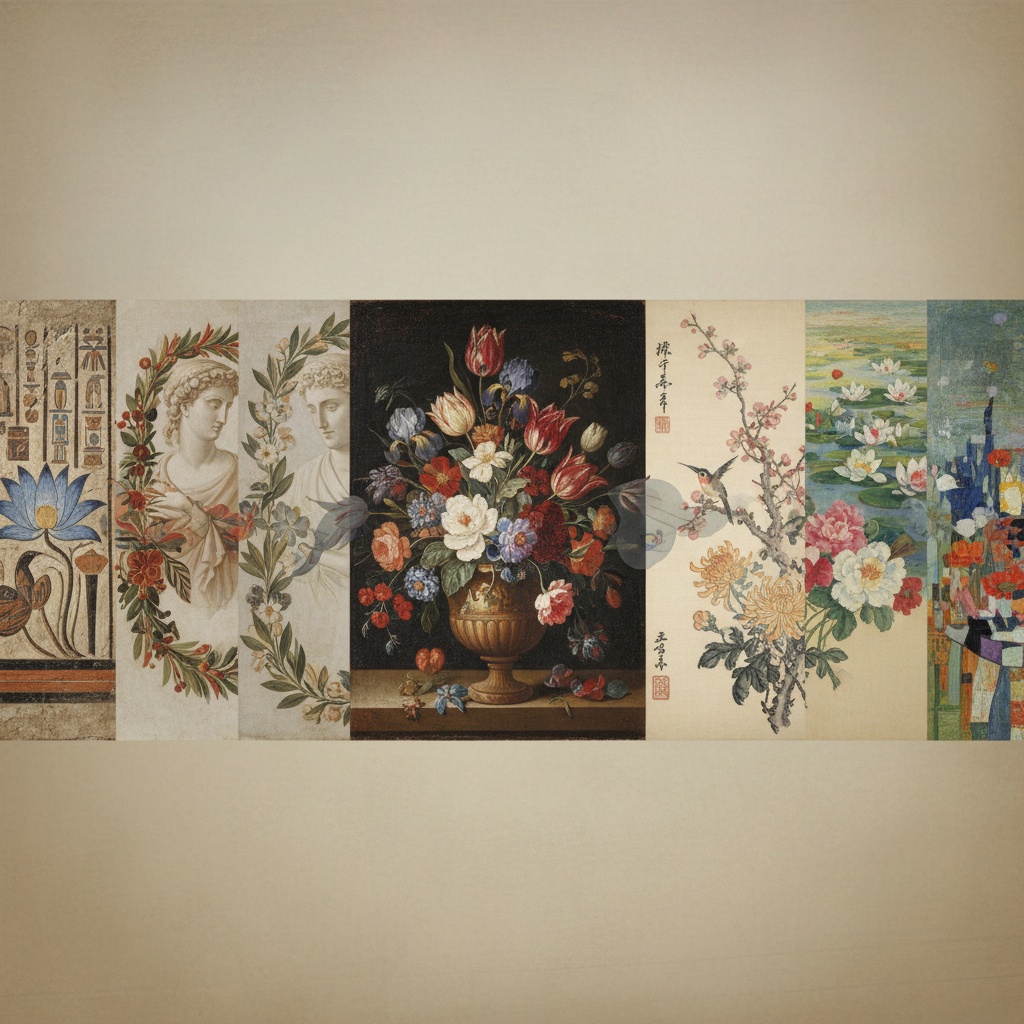
Before brushes met canvas, flowers held profound meaning for humanity. Their ephemeral beauty resonated with ancient civilizations, becoming interwoven with mythology, ritual, and early forms of expression. In Egypt, lotus blossoms symbolized rebirth and the sun’s cyclical journey, adorning tombs and religious iconography. The Greeks associated specific flowers with their gods – roses with Aphrodite, lilies with Hera – imbuing them with divine qualities and narratives. These weren't merely decorative elements; they were potent symbols of life, death, love, and power. Roman mosaics frequently depicted floral motifs, showcasing a growing appreciation for natural forms, though often still tied to allegorical representations. The earliest evidence of flowers’ symbolic weight lies not in painting as we know it, but in their use within broader cultural contexts – woven into garlands for celebrations, pressed into funerary wreaths, and cultivated within sacred gardens. This foundational understanding—the inherent language of blossoms—would later blossom (pun intended) into the rich artistic tradition we celebrate today.
Dutch Golden Age Floral Masterpieces: A Celebration of Opulence & Detail
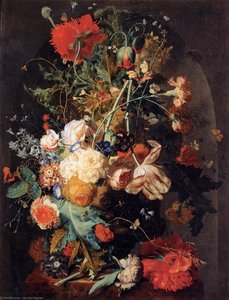
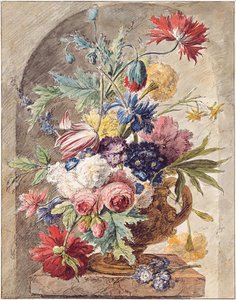 Flower Still Life, c. 1734
Admire Jan van Huysum's 'Flower Still Life,' c. 1734 – a stunning Dutch masterpiece showcasing exquisite floral arrangements, delicate details, and a timeless elegance.
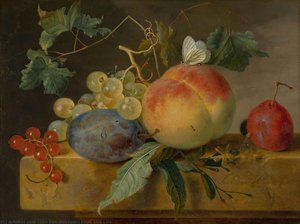
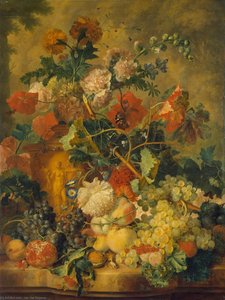
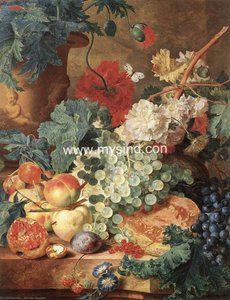
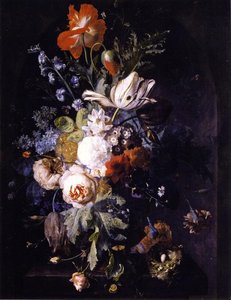
The 17th-century Dutch Republic witnessed an unprecedented flourishing of still life painting, and within this genre, floral arrangements ascended to breathtaking heights. Artists like Jan van Huysum epitomized this era’s fascination with capturing the exquisite detail and transient beauty of flowers. His works, such as “Flower Still Life” (c. 1734) and “Fruit and Flowers” (1720), aren't simply depictions; they are meticulously rendered celebrations of nature’s abundance. Van Huysum’s mastery lay in his ability to portray not just the *appearance* of flowers, but their very texture – the velvety softness of petals, the delicate sheen of leaves, the glistening droplets of morning dew. These paintings were born from a unique confluence of factors: burgeoning wealth allowing for exotic flower imports, advancements in oil painting techniques enabling unparalleled realism, and a growing middle class eager to display symbols of prosperity and refined taste. The arrangements themselves weren’t random; they often contained hidden symbolism – tulips representing fleeting love, carnations signifying devotion, and irises embodying royalty. The sheer opulence of these compositions reflected the Dutch Golden Age's economic power and artistic innovation.
Botanical Precision vs. Artistic Interpretation: The Evolution of Flower Painting Techniques
 Wikipedia: Botanical illustration
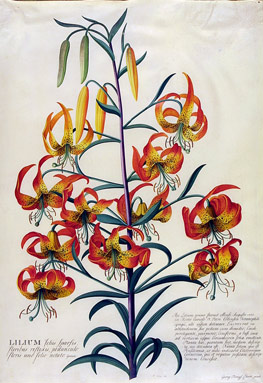
Botanical illustration is the art of depicting the form, color, and details of plant species. They are generally meant to be scientifically descriptive about subjects depicted and are often found printed alongside a botanical description in books, m...
While Van Huysum’s work exemplifies a highly refined realism, the approach to flower painting wasn’t always solely focused on scientific accuracy. Early botanical illustrations, like those found in medieval herbals, prioritized identification and medicinal properties over aesthetic appeal. These were functional documents, often stylized rather than strictly representational. However, as artistic sensibilities evolved, so too did the techniques employed. The Renaissance saw a growing interest in naturalism, with artists striving to depict flowers with greater fidelity. The development of oil paints allowed for subtle gradations of color and texture, enabling more lifelike renderings. Botanical illustration, distinct from purely artistic depictions, continued alongside this trend, providing detailed records of plant species for scientific study. Artists like Maria Sibylla Merian meticulously documented the life cycles of insects and their host plants, combining art with rigorous observation. The tension between botanical precision and artistic license remained a constant throughout history, influencing how flowers were perceived and portrayed – as objects of scientific inquiry or symbols of beauty and emotion.
Vanitas and Beyond: Exploring the Deeper Meanings Embedded in Floral Still Lifes
Vanitas is a genre of memento mori symbolizing the transience of life, the futility of pleasure, and the certainty of death, and thus the vanity of ambition and all worldly desires. The paintings involved still life imagery of transitory items. The g...
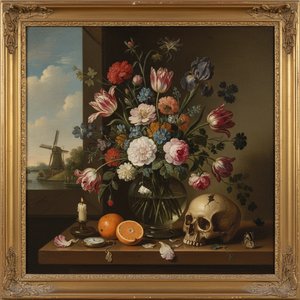
The Dutch Golden Age also gave rise to the *vanitas* genre, a subcategory of still life painting that served as a poignant reminder of mortality. Floral arrangements within these compositions weren’t simply beautiful; they were imbued with symbolic weight representing the transience of life and the futility of earthly pleasures. Wilting flowers, decaying fruit, extinguished candles – all spoke to the inevitability of death and decay. Vanitas paintings often included skulls, hourglasses, and other memento mori objects, reinforcing this message. However, the symbolism wasn’t limited to morbidity. The inclusion of rare or exotic flowers could also represent wealth and status, highlighting the irony of pursuing fleeting material possessions in the face of inevitable death. Beyond vanitas, floral still lifes often conveyed religious messages – lilies representing the Virgin Mary, roses symbolizing Christ's sacrifice. The ability to decipher these hidden meanings added another layer of complexity and intellectual engagement for viewers.
Impressionism's Embrace of Light and Color in Depicting Blossoms
By the late 19th century, Impressionist painters revolutionized the art world with their focus on capturing fleeting moments and the effects of light. Artists like Claude Monet and Pierre-Auguste Renoir turned their attention to gardens and fields, depicting flowers not as meticulously rendered objects but as impressions of color and atmosphere. Monet’s water lilies series, for example, isn't about botanical accuracy; it’s about capturing the shimmering reflections on the water’s surface and the changing light throughout the day. This shift in focus reflected a broader artistic movement away from realism towards subjective experience. The Impressionists weren’t concerned with symbolic meaning as much as they were with conveying the *feeling* of being immersed in nature. They embraced broken brushstrokes, vibrant colors, and an emphasis on optical effects, creating paintings that are both visually stunning and emotionally evocative.
Floral Motifs in Modern Art: From Georgia O’Keeffe to Contemporary Expressions
The 20th and 21st centuries witnessed a continued fascination with floral motifs, albeit often expressed through new and unconventional lenses. Georgia O'Keeffe's large-scale flower paintings are perhaps the most iconic example of this trend. While initially interpreted as veiled representations of female anatomy, O’Keeffe herself resisted such readings, emphasizing her focus on the inherent beauty and form of flowers. Her close-up depictions transformed blossoms into abstract landscapes, inviting viewers to contemplate their intricate details and sensual qualities. Contemporary artists continue to explore floral themes in diverse ways – from Jeff Koons' playful flower sculptures to installations that address environmental concerns. The enduring appeal of flowers lies in their versatility as symbols—representing beauty, fragility, growth, decay, and the complex relationship between humanity and nature. Whether rendered with meticulous realism or abstract expressionism, flowers continue to captivate our imaginations and inspire artistic innovation.