The Alchemy of Divinity: Gold as the Flesh of the Gods
 The Allure of Gold in Art History: Symbolism, Technique & Cultural Significance
The Ancient Roots: Gold as Divine Symbolism Wikipedia: Gold leaf Gold leaf is gold that has been hammered into thin sheets (usually around 0.1 μm thick) by a process known as goldbeating, for use in gilding. Gold leaf is a type of metal leaf, but the...
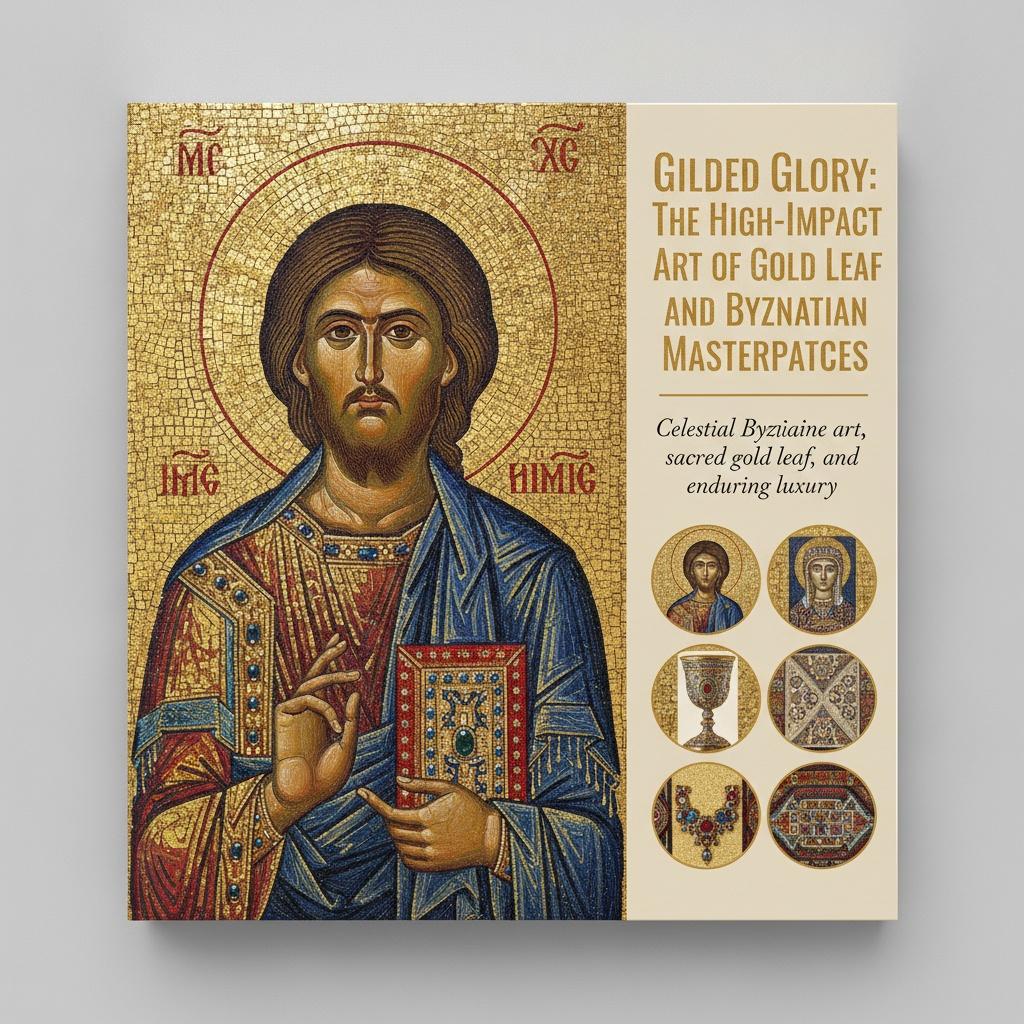
To gaze upon a masterpiece of the Byzantine era is to encounter far more than mere pigment and metal; it is to witness a celestial phenomenon captured in physical form. Throughout the long, shimmering annals of art history, gold has functioned as an alchemical bridge between the terrestrial and the divine. It possesses a unique optical property that transcends the limitations of standard palettes, reflecting light in a way that breathes life into the canvas even in the most dimly lit galleries. This radiance does not simply sit upon the surface; it interacts with the viewer’s movement, shifting and shimmering as if the artwork itself were breathing, creating an ethereal glow that defies the boundaries of the material world.
From its earliest incarnations, gold has held a power far exceeding its monetary value. It was never merely a display of wealth or a testament to imperial prestige; rather, it was a material imbued with an otherworldly luminescence. In ancient Egypt, gold adorned sarcophagi and masks not just for status, but as the essential flesh of the gods, ensuring safe passage through the afterlife via its unchanging brilliance. This association with immortality—the idea that gold, resistant to tarnish and decay, mirrors the eternal nature of the divine—found its most profound expression within the Byzantine Empire. Here, the metal became a theological necessity, a way to represent the uncreated light of heaven within the reach of human sight.
Mastering the Glow: The Intricate Technique of Gold Leaf and Gilding
--- title: Gold-ground panel painting (video) | Khan Academy url: https://www.khanacademy.org/humanities/renaissance-reformation/late-gothic-italy/beginners-guide-late-gothic/v/gold-ground-panel-painting hostname: khanacademy.org description: Gold-gr...
The creation of these radiant surfaces is a labor of immense dedication, involving a process that borders on the miraculous. The technique of gold leaf involves hammering gold into incredibly thin sheets, often as fine as 0.1 micrometers, through a meticulous process known as goldbeating. This delicate metal leaf is then applied to prepared surfaces, such as the smooth, multi-layered gesso of a wooden panel, to create what art historians call a "gold ground." This method requires an extraordinary level of precision; every breath and every movement must be controlled to ensure the gossamer-thin sheets adhere perfectly to the surface without tearing or bubbling.
The artistry extends far beyond the application of the metal itself. In gold-ground panel painting, artists would build up layers of gesso to create a flawless, mirror-like foundation. Once the gold leaf was applied, the painter would use egg tempera to layer colors over and around the gilded sections. This interplay between the matte texture of the pigment and the reflective brilliance of the gold creates a depth that modern printing simply cannot replicate. It is a technique of transcendence, where the physical act of gilding serves to illuminate the sacred mysteries of faith through light and shadow.
Icons of Eternity: Byzantine Masterpieces and Spiritual Symbolism
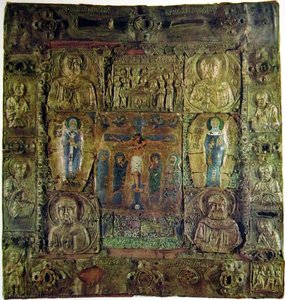 orthodox icons
Orthodox Icons Orthodox icons represent a profound tradition of religious art rooted in Byzantine Christianity and extending across Eastern Europe and beyond. Unlike Western Christian iconography, which often prioritizes realism and narrative detail,...
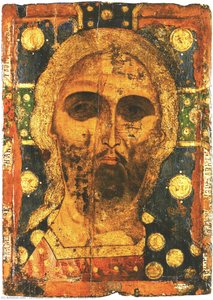
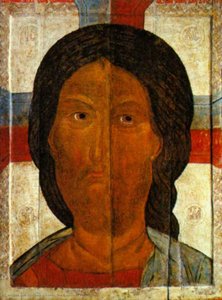
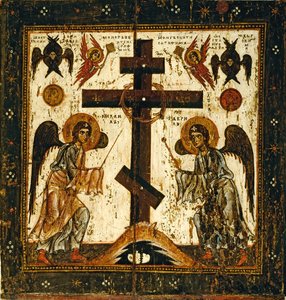
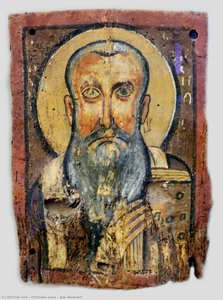
In the realm of Orthodox iconography, the goal of the artist is not to achieve photographic realism or narrative detail as seen in Western traditions. Instead, icon painting strives for spiritual contemplation, seeking to evoke divine grace through stylized representations. The aim is to convey the very essence of a figure—to illuminate the sacred mysteries of faith rather than merely depicting an event accurately. Every line, every color choice, and every gilded halo is a deliberate symbol designed to guide the viewer toward a state of prayerful reflection.
These icons serve as windows into a lost world of devotion. When we look at a Byzantine icon, we are looking at a language of profound symbolism where the gold background represents the uncreated light of God, stripping away the distractions of earthly landscape to focus entirely on the eternal. The figures inhabit a space that is neither here nor there, but exists in a sanctified realm of timelessness. This stylistic choice ensures that the artwork functions as a living conduit of faith, a tangible fragment of history that continues to resonate with spiritual power centuries after its creation.
From Constantinople to Kyiv: The Legacy of Eastern Orthodox Iconography
The tradition of icon painting in Ukraine dates from the 10th century, beginning with the adoption of Christianity in the area. == History == The first Christian icons in the territory of modern Ukraine were of Greek origin: according to chronicles, ...
The artistic currents of Byzantium flowed powerfully across borders, shaping the cultural identity of entire nations. As the Byzantine Empire expanded and interacted with neighboring territories, its aesthetic language became the foundation for much of Eastern European art. This is nowhere more evident than in the rich tradition of Ukrainian icon painting, which traces its roots back to the 10th century. Following the adoption of Christianity, the first icons brought to Kyiv by Prince Volodymyr were of Greek origin, setting a standard of excellence that would be refined by generations of local masters.
This legacy was furthered by legendary figures such as Andrei Rublev, whose work embodies the confluence of Byzantine influence and a burgeoning Russian national consciousness. Rublev, having apprenticed under Theophanes the Greek, took the established Byzantine canons and imbued them with a uniquely soulful depth, characterized by a palpable sense of humility and emotional resonance. His masterpiece, the Trinity icon, remains one of the most profound examples of how the gilded traditions of Byzantium were transformed into a distinct, spiritually resonant style that would influence the religious landscape of Eastern Europe for centuries to come.
The Modern Radiance: Bringing Gilded Grandeur into Contemporary Spaces
 Golden Masterpieces: 10 Paintings That Define Art History | ArtsDot
Introduction Imagine stepping into a world where light itself seems to be woven from precious metal, where surfaces shimmer with an otherworldly glow. For centuries, artists have sought to capture this ethereal beauty through the use of gold leaf – a...
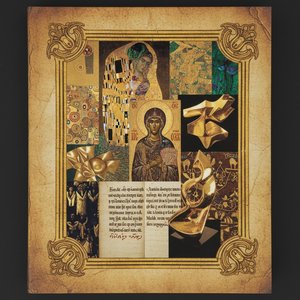
While the era of the Byzantine Empire has passed, the visual impact of its gilded glory remains as potent as ever. Today, the allure of gold and the profound depth of classical techniques continue to inspire contemporary design and art lovers alike. We see this fascination reflected in the way modern collectors seek out pieces that offer a sense of permanence and "soul" in an increasingly digital age. The tactile quality of a hand-painted reproduction—with its visible brushstrokes and shimmering surfaces—provides a much-needed connection to the weight of history.
Integrating these high-impact, luminous elements into modern interiors allows for a sophisticated dialogue between the past and the present. Whether through large-scale murals that recreate historical grandeur or custom commissions that reimagine classical themes with contemporary flair, the use of gold and light continues to transform spaces. By embracing the "alchemy" of these ancient techniques, we ensure that the brilliance of the masters remains a living, breathing part of our modern aesthetic journey, bringing a touch of the eternal into our everyday lives.