The Graphite Edge: Why Raw Pencil Art Hits Harder Than Digital
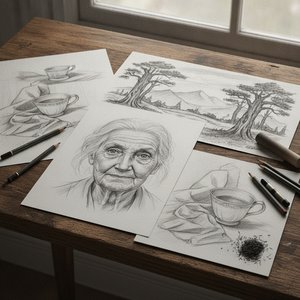
In an era dominated by the hyper-saturated glow of OLED screens and the infinite, frictionless layers of digital illustration, there is a profound, almost rebellious energy found in the strike of a graphite pencil against paper. While digital art offers unparalleled perfection and easy undo buttons, it often lacks the visceral, unrepeatable tension of a physical mark. There is a certain raw power in knowing that every stroke, every smudge, and every heavy-handed shadow is a permanent commitment to the surface. For the modern collector who craves visual impact over mere pixels, pencil art provides a tactile grit that digital mediums simply cannot replicate.
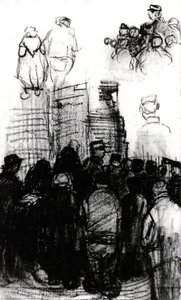
This medium thrives on the tension between control and chaos. When an artist works with graphite, they are engaging in a high-stakes dialogue with texture. Unlike the clean, mathematical vectors of graphic design, a pencil line carries the weight of the artist's hand—the subtle tremors, the varying pressure, and the intentional grit. This creates a visual punch that resonates deeply within contemporary spaces, offering a sophisticated, monochromatic edge that cuts through the noise of a colorful, cluttered world. It is not just about drawing; it is about the physical manifestation of intent.
Stripping it Back: Mastering Texture, Depth, and High-Contrast Shadows
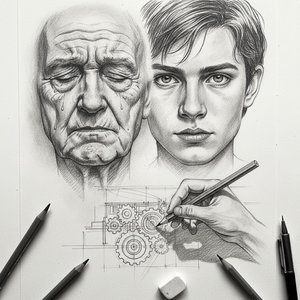
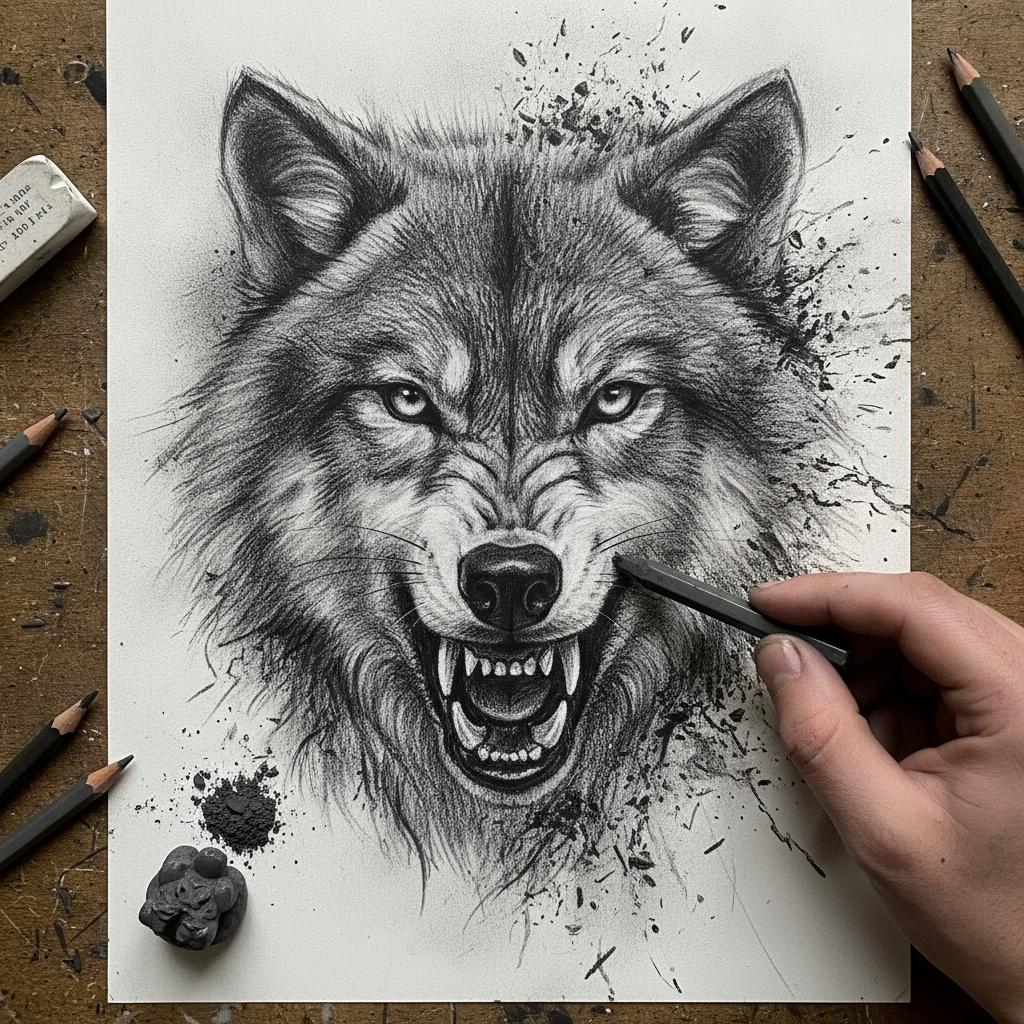
To master graphite is to move beyond the simple outline and enter the realm of chiaroscroll—the dramatic interplay of light and dark. The true soul of a pencil masterpiece lies in its ability to simulate weight and volume through nothing more than varying grades of carbon. By manipulating the density of the lead, an artist can transition from the most ethereal, ghostly grays to deep, obsidian blacks that command the viewer's attention. This is where the magic happens: when a flat piece of paper begins to breathe with hyper-realistic depth.
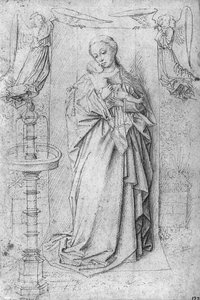
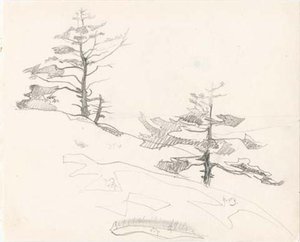
Achieving this level of impact requires a mastery of texture and layering. It is not enough to simply shade; one must understand how to build layers that mimic the roughness of stone, the softness of skin, or the sleekness of chrome. Techniques such as hatching and cross-hashing allow for the creation of complex patterns that guide the eye across the composition, while careful blending can create smooth, photographic transitions. When executed with precision, these techniques transform a simple sketch into a monumental study of form, proving that you don't need a full spectrum of color to evoke a full spectrum of emotion.
From Pop Icons to Street Vibes: The Visual Language of the Line
The influence of the line extends far beyond the traditional academy, bleeding into the very fabric of our visual culture. We see the echoes of the pencil in the bold, graphic outlines of Pop Art and the gritty, stencil-driven energy of street art. Think of the meticulous studies found in works like Tom Wesselmann’s graphite explorations; even within a movement defined by mass production and bright colors, the foundational strength of the line remains the anchor. The pencil provides the structural blueprint upon which all modern visual identities are built.
This versatility allows graphite art to bridge the gap between high-brow fine art and the high-impact aesthetics of contemporary street culture. A well-executed pencil drawing can possess the same swagger as a piece of urban graffiti, utilizing heavy, aggressive strokes to convey movement and rebellion, or the delicate, precise lines found in modern character design and anime-inspired works. It is a universal language of visual impact, capable of translating the energy of a city street into a sophisticated, gallery-ready masterpiece.
The Architect’s Toolkit: Advanced Techniques for Hyper-Realistic Impact
For those seeking to push the boundaries of the medium, the transition from sketching to hyper-realism requires an almost architectural approach to the paper. This is no longer about capturing a likeness; it is about reconstructing reality through the meticulous application of light and shadow. The artist becomes a builder of surfaces, using precision tools to create micro-textures—the tiny pores on a face, the intricate weave of fabric, or the reflective glint in an eye. This level of detail demands an intense focus on precision and layering.
Advanced practitioners utilize a variety of specialized tools, from various hardness levels of graphite to blending stumps and even fine-tipped erasers used as drawing implements to "carve" highlights out of dark shadows. The goal is to achieve a level of detail so profound that the medium itself becomes invisible, leaving only the striking reality of the subject. This technical mastery creates a sense of awe in the viewer, turning a monochrome drawing into a window through which we can witness the most minute, often overlooked details of our world.
Curating the Monochrome: Integrating Graphite Works into Modern Interiors
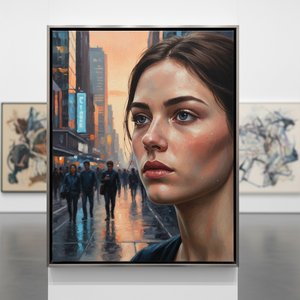
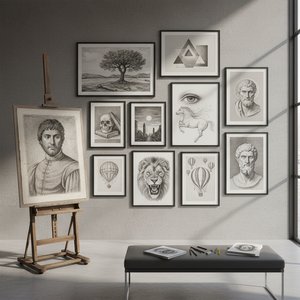
Integrating graphite art into a contemporary interior design scheme is an exercise in sophisticated curation. In a world of vibrant, high-energy decor, a large-scale monochrome piece acts as a visual anchor. It provides a moment of repose and focus, preventing a room from feeling visually overwhelming. Because graphite works rely on value rather than hue, they possess a unique ability to complement any color palette, whether you are working with the muted tones of Scandinavian minimalism or the bold, saturated colors of a maximalist urban loft.
When selecting pieces for your space, consider the scale and the frame. A large-format graphite drawing, perhaps split into a multi-panel arrangement, can transform a wide wall into a dramatic architectural feature. Using heavy, dark frames can enhance the dramatic contrast of the work, while frameless, gallery-wrapped styles offer a more modern, seamless look. Ultimately, the presence of a powerful pencil work adds a layer of intellectual depth and textural richness to a home, signaling a curated taste that values the profound impact of the singular, masterful line.