The Concrete Canvas: Why Street Art is the New High-End Decor
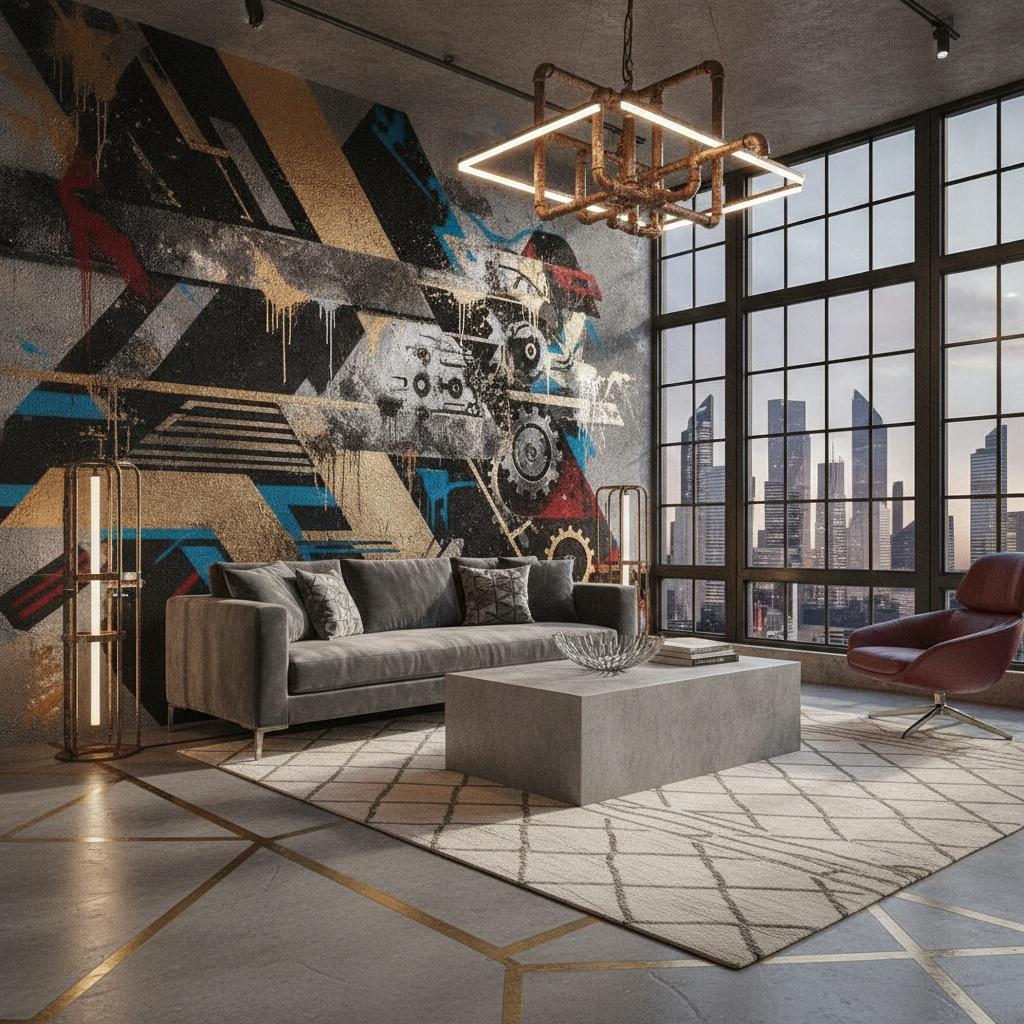
Forget the dusty, silent galleries of the past; the pulse of modern luxury now beats to the rhythm of the street. We are witnessing a seismic shift where the rebellious energy of urban graffiti has migrated from crumbling brick walls to the most sophisticated metropolitan lofts. This isn''t just about decoration; it is about an unapologetic statement of identity. The raw, visceral impact of street art brings a layer of authenticity that traditional academic works simply cannot replicate in a digital-first era. When we talk about high-end urban living, we are talking about the ability to curate tension—the friction between polished architectural lines and the gritty, spontaneous soul of a mural.
The allure lies in the narrative. A piece that carries the DNA of street culture tells a story of movement, social critique, and cultural relevance. For the modern collector, owning art that echoes the aesthetics of global hubs like São Paulo or London’s vibrant mural festivals is about staying connected to the zeitgeist. It transforms a living space from a mere residence into a curated exhibition of contemporary life, where every stroke of spray paint serves as a window into the collective consciousness of our streets.
Industrial Geometry: Merging Abstract Forms with Urban Architecture
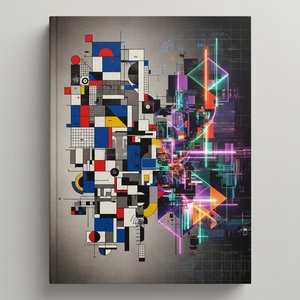
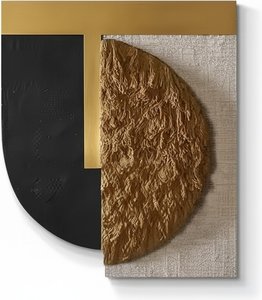
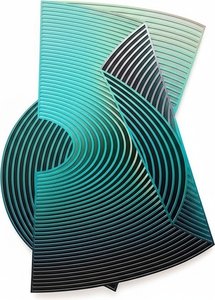
As we navigate the evolution of urban design, the boundaries between structure and art are becoming increasingly blurred. The industrial aesthetic—characterized by exposed steel, raw concrete, and expansive glass—demands a visual language that can hold its own against such heavy materials. This is where abstract geometry enters the frame, acting as the perfect architectural companion. By integrating sharp, geometric patterns and structured abstractions, we create a sense of intentionality within the chaos of an industrial setting.
Think of the influence of designers like Ron Arad or the rhythmic, machine-age precision found in the works of Fernand Léger. There is a profound beauty in how a bold, angular composition can mirror the structural integrity of a skyscraper while providing a necessary visual break from the monochromatic tones of concrete and iron. This fusion creates a sophisticated equilibrium; the geometry provides the logic, while the abstract color palettes provide the emotion. It is a calculated dance of form and function that elevates an urban interior into a masterclass of modern composition.
From Banksy to Boldness: Curating Pop Culture Icons for Modern Spaces
For the generation raised on a diet of high-impact visuals, pop culture is the ultimate lexicon of art. We no longer look solely to the Renaissance for inspiration; we look to the stencil work of Banksy and the vibrant, satirical energy of the Simpsons blackboard. These icons are more than just recognizable images; they are cultural touchstones that bridge the gap between mass media and fine art. Incorporating these motifs into a home allows for a playful yet profound dialogue with the world around us.
Curating a collection inspired by these legends requires a confident hand. It is about selecting pieces that utilize bold outlines and striking, often monochrome, stencils to command attention. Whether it is the poignant social commentary of Cash Machine Girl or the hyper-saturated, cartoonish brilliance of contemporary graphic works, these pieces act as anchors for a room. They provide an instant "cool factor" while inviting deeper conversation about consumerism, technology, and the media influence that shapes our daily reality.
Texture & Tension: Balancing Raw Industrial Elements with Vibrant Visuals
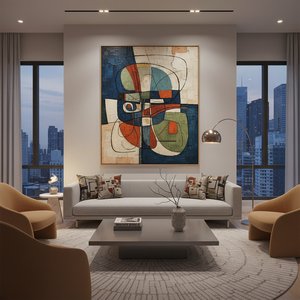
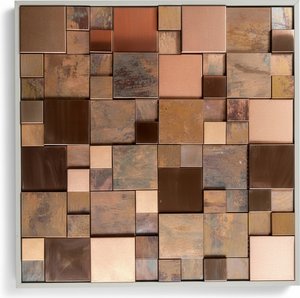
The secret to a truly leveled-up space lies in the mastery of contrast. An industrial room can easily feel cold or sterile if left purely to its structural elements. To prevent this, one must introduce visual tension through texture and color. This is where the "hand-made" element becomes indispensable. While the architecture provides the hard edges, the introduction of art with visible brushstrokes, impasto textures, and rich, layered pigments provides the necessary warmth.
Imagine a stark, white-walled loft interrupted by a massive, multi-panel canvas where colors flow seamlessly across three or four sections. The physical depth of oil paint—the way light catches a raised ridge of pigment—creates a tactile experience that flat prints simply cannot achieve. This tension between the smooth, industrial surfaces and the rugged, expressive texture of contemporary painting creates a dynamic environment. It is this very friction that keeps a space feeling alive, energetic, and perpetually modern.
Trend Forecast: The Rise of Graphic, High-Impact Urban Aesthetics
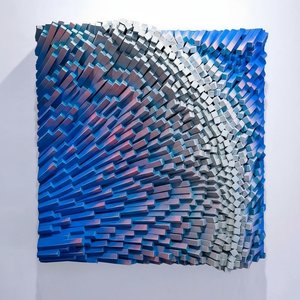
Looking ahead, the trend forecast is clear: the future of interior curation is bold, graphic, and unapologetically loud. We are moving away from the "minimalist beige" era and into a period of high-impact expressionism. The upcoming season will see a surge in the use of large-format works that utilize vibrant, saturated color palettes to define entire rooms. We expect to see more integration of digital-inspired aesthetics—works that feel as though they have stepped straight out of a high-definition gaming interface or a sleek, modern animation.
The rise of "remixed" history will also play a major role, where traditional motifs are reimagined through a street-art lens. The ability to take a classic concept and inject it with urban energy—using spray paint techniques or bold, graphic outlines—will be the hallmark of the most forward-thinking collectors. As we continue to blur the lines between the street and the studio, the only rule is this: do not be afraid to be bold. The urban space is your canvas, and the era of high-impact, culturally literate design has only just begun.