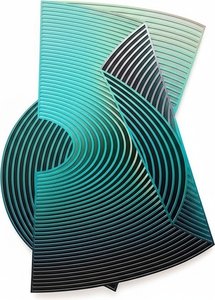
The Neo-Abstract Surge: Why High-Impact Geometry is Dominating Modern Interiors
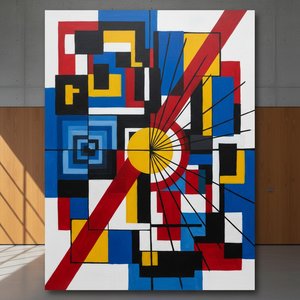 Neo-Abstract Art: Redefining Modern Expression Through Bold Compositions and Geometric Sophistication
The Genesis of Neo-Abstraction: Beyond Traditional Boundaries To understand the profound impact of Neo-Abstract art, one must first look beyond the mere absence of recognizable subjects and instead perceive it as a deliberate reconstruction of realit...
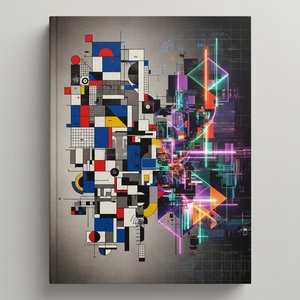
Forget the quiet, dusty galleries of the past; we are witnessing a seismic shift in how visual energy occupies our physical spaces. The rise of Neo-Abstract art isn't just another passing trend in the design world—it is a high-octane takeover. For the modern urban professional, the home is no longer just a sanctuary but a curated statement of identity, and nothing commands attention quite like the unapologetic presence of neo-abstract geometry. Unlike traditional abstraction, which often sought to strip reality down to its barest, most silent essence, Neo-Abstraction arrives with a loud, confident pulse. It brings a deliberate reconstruction of reality, utilizing heavy, gestural forms and monumental stability to anchor even the most frenetic contemporary living spaces.
This movement thrives on what we call visual impact. Imagine walking into a loft where the walls don't just hold color, but actively vibrate with structural tension. This is the allure of the neo-abstract surge. It bridges the gap between the raw, visceral emotion of mid-century Abstract Expressionism and a disciplined, almost architectural approach to composition. For those who live at the intersection of design, tech, and street culture, this art form offers a way to inject modern visual energy into an environment without relying on literal imagery. It is about the power of the shape, the weight of the line, and the sheer audacity of a composition that refuses to be ignored.
Beyond the Chaos: Decoding the Fusion of Structural Rigor and Raw Energy
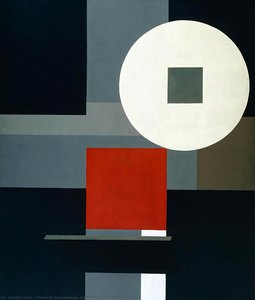 friedrich vordemberge gildewart
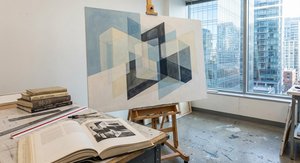
Friedrich Vordemberge-Gildewart: Architect of Geometric Abstraction Born in Osnabrück, Germany, in 1899, Friedrich Vordemberge-Gildewart’s artistic journey was a radical departure from traditional representation, charting instead a course toward pure...
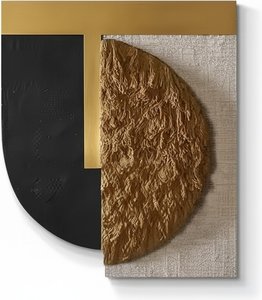
To the untrained eye, a neo-abstract canvas might appear as a beautiful chaos, but look closer and you will find a sophisticated dialogue between history and the present. The true genius of this movement lies in its ability to balance structural rigor with spontaneous energy. We see echoes of the masters—the geometric precision of Friedrich Vordemberge-Gildewart and the rhythmic, organic modules found in modern works like Laurent Fabre’s Monolithic Echoes. It is a curated equilibrium. While early abstractionists often grappled with the overwhelming chaos of human emotion, Neo-Abstraction uses geometry as a tool to organize that energy into something permanent and powerful.
This isn't a retreat from the world; it is an intense engagement with it through a refined lens. The movement utilizes geometric shapes not as static icons, but as dynamic actors within a larger narrative. A single, sharp line can anchor an entire canvas, providing a sense of stability amidst swirling, textured forms. This interplay creates a hypnotic experience that oscillates between meditative calm and structural tension. It is the perfect aesthetic for the contemporary era—a period defined by rapid change and digital flux—offering a sense of monumental stability through heavy, gestural forms that feel both ancient in their weight and futuristic in their execution.
Color Theory 2.0: Using Saturated Hues and Monolithic Tones to Command a Room
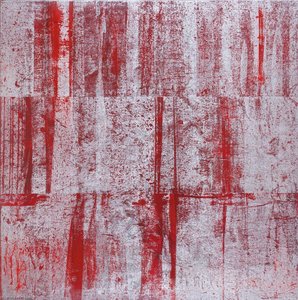 gusti agung mangu putra
A Rising Voice in Indonesian Abstraction: The World of Gusti Agung Mangu Putra Gusti Agung Mangu Putra emerges as a compelling figure within the contemporary Indonesian art scene, his canvases pulsating with an energy that draws viewers into layered ...
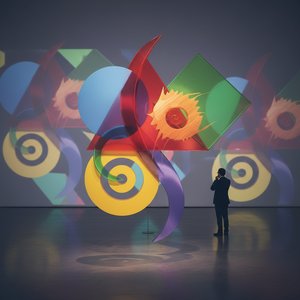
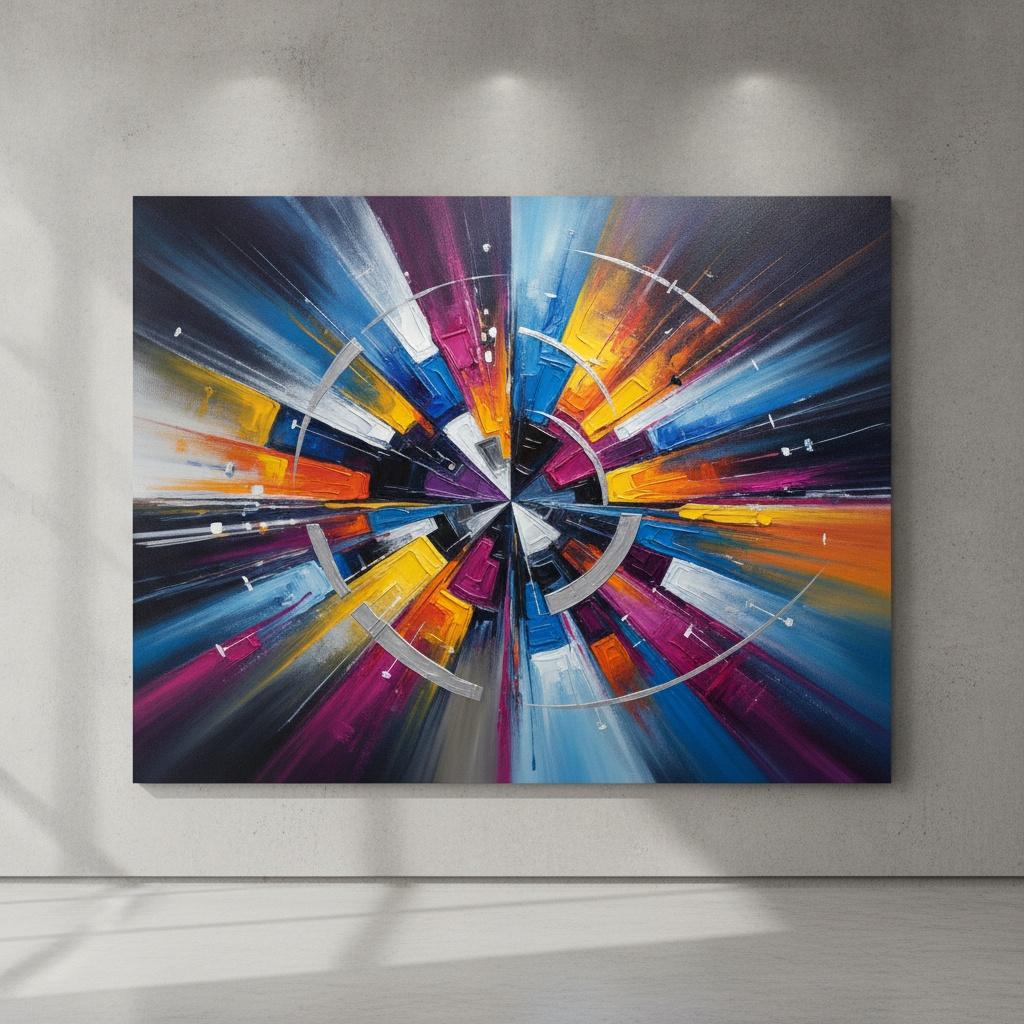
If geometry provides the skeleton of Neo-Abstraction, then color is its heartbeat. We have moved far beyond simple palettes into an era of saturated intensity. The modern neo-abstract palette is designed to command. Think of the warmth of deep, burnt orange clashing against the grounding, cool presence of slate blue and stark white. This isn't just about decoration; it is about atmospheric engineering. By utilizing high-contrast, saturated hues, these artworks manipulate the viewer's perception of space, creating illusions of infinite depth or sudden, striking flatness.
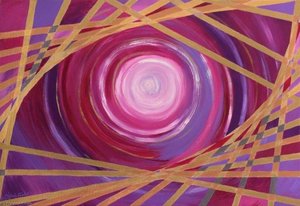
The use of color in this movement often leans into monolithic tones—large, unyielding blocks of pigment that act as anchors for a room. We see this in the way vibrant reds and shimmering silvers can create a sense of both weight and lightness, much like the layered, pulsating canvases of rising voices like Gusti Agung Mangu Putra. Whether it is the deep, soulful layers of oil paint or the sharp, clean lines of a graphic print, the goal remains the same: to use color as a universal language that transcends cultural boundaries. For the collector, choosing a piece is an exercise in color analysis, selecting tones that will either harmonize with an existing interior or act as a bold, disruptive focal point.
From Canvas to Code: The Intersection of Geometric Precision and Digital Aesthetics
 Geometric Abstraction's 10 Defining Masterpieces | Art for Your Home - ArtsDot
Introduction Imagine a world stripped bare to its essential forms – lines, colors, and shapes resonating with an almost mathematical purity. This is the realm of Geometric Abstraction, a movement that dared to abandon representational art in favor of...
In our hyper-connected age, the boundaries between the physical and the digital are blurring, and Neo-Abstract art is at the forefront of this evolution. There is a profound synergy between the mathematical purity of geometric abstraction and the clean, vector-based aesthetics of modern digital design. The movement draws inspiration from the structural rigor of American modernism while embracing the frenetic energy of our contemporary, screen-saturated era. We see this in the way concentric circles can mimic the precision of a digital interface, or how sharp, intersecting planes evoke the layered complexity of software architecture.
This intersection is where innovation lives. The movement allows for a remixing of art history, where the heavy, impasto-like textures of traditional oil painting meet the crisp, high-definition clarity of the digital age. This creates a unique tension—a tactile, physical depth that invites touch, paired with a visual logic that feels entirely at home in a tech-forward environment. It is an art form that speaks to the design-conscious individual who appreciates both the soul of a hand-painted brushstroke and the precision of a perfectly rendered geometric arc.
Curating the Future: How to Integrate Neo-Abstract Masterpieces into Urban Living Spaces
![Abstract Composition [triptych]](/media/artworks/images/thumbnails/e5/3d/e53db42ea02644b9a8e722f9d4dd3742.jpg) Abstract Composition [triptych]
Abstract Composition [triptych]Abstract Composition [Triptych] by Vaclav Vytlacil (1937). Explore this dynamic black & white triptych featuring bold lines, textures & geometric shapes. A key example of American modernism.
Integrating Neo-Abstract art into your space is about more than just hanging a frame; it is about architectural curation. For the urban professional, the goal is to create an environment that feels intentional and high-impact. One of the most effective ways to achieve this is through the use of multi-panel layouts. Splitting a large-scale geometric composition across three, four, or even five panels can transform a wide, empty wall into a dynamic architectural feature, allowing the colors and brushstrokes to flow seamlessly across the room.
When selecting pieces, consider the visual weight of your furniture. A heavy, monolithic abstract work can anchor a minimalist seating area, while lighter, more rhythmic compositions can add movement to a hallway or staircase. For those looking to push the boundaries even further, the integration of large-format murals or custom-sized canvases allows the art to become part of the very structure of the home. Ultimately, Neo-Abstract art offers a way to curate a space that is not just lived in, but experienced—a place where every line, color, and shape contributes to a permanent state of balance and high-energy sophistication.
At ArtsDot.com, we specialize in the bold, the vivid, and the high-impact. Whether you are looking for a hand-painted oil reproduction that captures the thick, tactile textures of the masters or a premium print that brings sharp geometric precision to your walls, our collection is curated for those who demand visual excellence. From custom commissions that transform your personal photos into abstract masterpieces to large-scale multi-panel works designed for modern architecture, we provide the tools to help you command your space. Explore our world of contemporary energy and find the piece that defines your future.