


The Democratization of Art: Free Worldwide Shipping & Accessibility
For centuries, the world of fine art existed as a realm largely inaccessible to many. Geographic limitations, prohibitive costs, and complex logistical hurdles confined ownership—and even meaningful engagement—to a select few. The very act of experiencing an original masterpiece often required pilgrimage, while acquisition remained the privilege of established collectors and institutions. However, the advent of digital technology coupled with innovations in global shipping has instigated a profound shift, effectively dismantling these traditional barriers and ushering in an era of unprecedented accessibility. This isn’t merely about convenience; it represents a fundamental democratization of art, allowing individuals worldwide to connect with works that once felt impossibly distant.
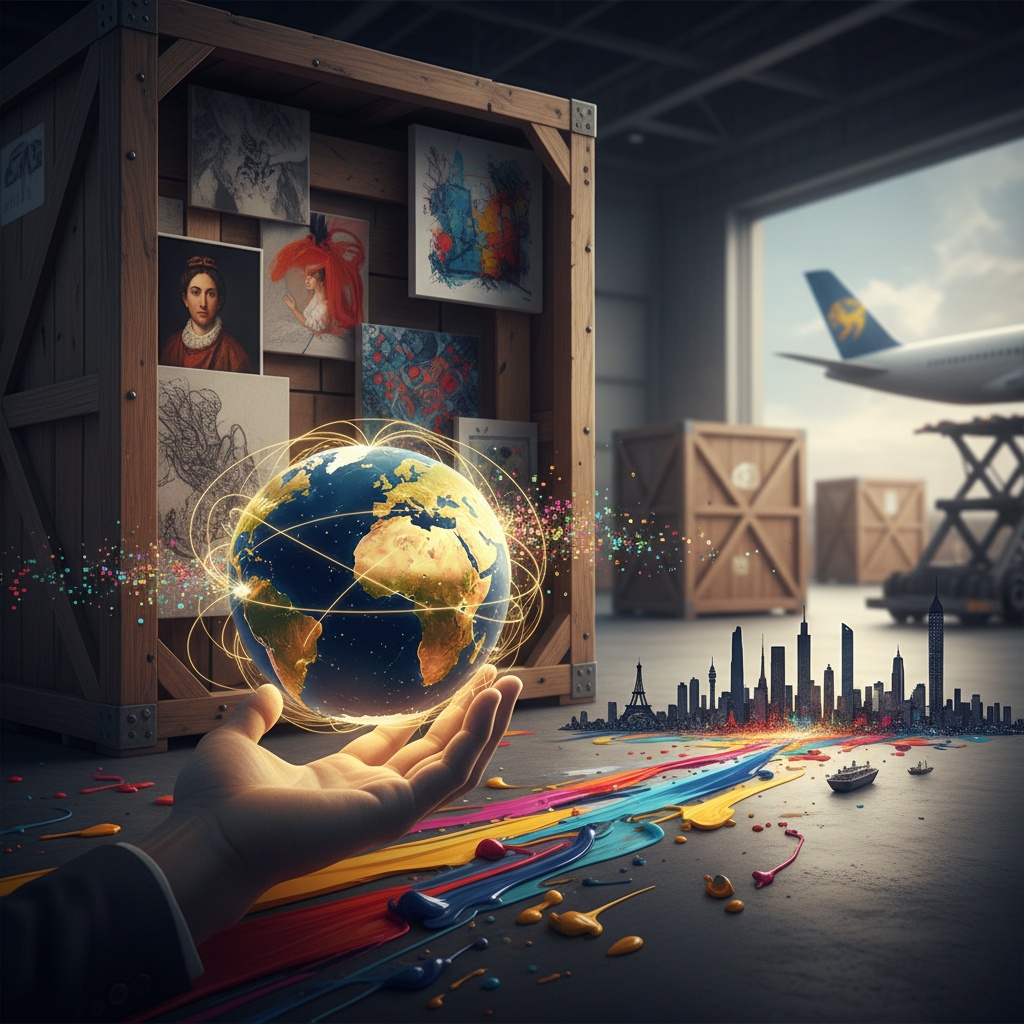
The core catalyst for this transformation is the widespread availability of free worldwide shipping—a seemingly simple offering that belies its revolutionary impact. It removes the financial sting and logistical anxiety associated with international purchases, opening up a global marketplace previously restricted by exorbitant transport costs and complex customs regulations. This has empowered collectors in emerging markets to participate actively, fostering a more diverse and inclusive art ecosystem. Furthermore, it’s not simply about acquiring artwork; it's about the experience of bringing beauty into one’s life, regardless of location or socioeconomic status. The ability to seamlessly purchase a reproduction from a Parisian gallery while residing in Buenos Aires fundamentally alters the relationship between artist, artwork, and audience.
Logistics as a Value Driver: Securing High-Value Assets in a Global Market
While free shipping is the initial draw, it’s the sophisticated logistics underpinning this service that truly safeguards value. The transportation of fine art isn't akin to moving conventional goods; it demands specialized expertise and meticulous attention to detail. Consider the fragility of an oil painting on canvas—susceptible to fluctuations in temperature, humidity, and physical shock. Reputable art logistics providers employ climate-controlled vehicles, custom crating solutions designed to absorb vibrations, and rigorous security protocols to mitigate risk at every stage of transit. This isn’t merely about preventing damage; it's about preserving the integrity of a cultural artifact.
The industry has evolved beyond simple transportation to encompass comprehensive insurance coverage, customs clearance assistance, and even art handling services for installation within the client’s space. Companies like ArtsDot recognize that trust is paramount in this market—collectors are entrusting them with irreplaceable assets. Therefore, transparency throughout the process is crucial, offering real-time tracking updates and proactive communication regarding potential challenges. The logistical network itself becomes a value driver, assuring collectors of the artwork’s safe passage and contributing to its long-term preservation. The recent growth in the fine art logistics market—projected to reach US$4.3 billion by 2030—underscores this increasing demand for specialized services.
Cultural Diffusion in the Digital Age: Expanding Reach and Collector Networks
Historically, cultural diffusion occurred through physical exchange – trade routes, migration patterns, and diplomatic missions. While these channels remain important, the digital age has accelerated the process exponentially. Online art marketplaces have become powerful engines of cultural dissemination, connecting artists and collectors across continents with unprecedented speed and efficiency. This isn’t simply about replicating existing artworks; it's about fostering cross-cultural dialogue and inspiring new creative interpretations.
The concept of “Kulturkreise” (culture circles), theorized by Leo Frobenius, posits that cultures originate from a small number of core influences spreading outwards. While debated, this idea resonates with the current landscape—digital platforms allowing for the rapid dissemination of artistic styles and techniques. For example, the influence of Japanese Ukiyo-e prints on Impressionist painters in 19th-century Europe demonstrates how exposure to foreign art forms can spark innovation. Today, online galleries facilitate a similar exchange, enabling artists from diverse backgrounds to reach global audiences and collectors to discover previously unknown talents. This expansion of collector networks not only broadens the market but also promotes a more nuanced understanding of artistic traditions worldwide.
Market Dynamics & Emerging Trends: The Impact on Pricing and Investment
The increased accessibility afforded by free shipping and digital platforms has undeniably impacted market dynamics. While traditional auction houses retain significant influence, online sales are gaining prominence, offering greater transparency and convenience for both buyers and sellers. This shift is also influencing pricing structures—the ability to compare prices across multiple platforms empowers collectors to make informed decisions. However, the art market remains unique in its reliance on subjective valuation; perceived cultural value often outweighs purely economic factors.
The cyclical nature of the art market, influenced by broader financial trends, is another key consideration. Periods of economic prosperity typically coincide with increased art investment, while downturns can lead to volatility. The rise of online auctions and digital marketplaces has also introduced new challenges—authenticity verification and fraud prevention are paramount concerns. Collectors increasingly rely on expert appraisals and provenance research to mitigate risk. Furthermore, the growing trend of art as an alternative asset class is driving demand for secure storage solutions and specialized logistics services, further solidifying the importance of a robust infrastructure.
ArtsDot's Role in Facilitating Global Art Access: A Case Study
ArtsDot exemplifies this evolving landscape—founded on the principle of making masterpieces accessible to all. From its origins as a platform for contemporary artists, it has expanded into a global art provider offering handmade reproductions and custom artwork services. The company’s commitment to free worldwide shipping is not merely a marketing tactic; it's a core tenet of its mission. This accessibility is coupled with rigorous quality control—artists are carefully vetted and trained in traditional techniques, ensuring that each reproduction faithfully captures the spirit of the original.
Beyond reproductions, ArtsDot’s photo-to-painting service allows customers to transform personal memories into unique artworks, styled after their favorite masters. This personalization element resonates deeply with collectors seeking meaningful pieces. The company also provides comprehensive support throughout the process—from digital mockups and artist consultations to secure packaging and real-time tracking updates. By combining technological innovation with a dedication to artistic excellence, ArtsDot is actively shaping the future of art access, empowering individuals worldwide to connect with beauty and culture regardless of geographic limitations or financial constraints.