


The Democratization of Art: How Digital Platforms Are Reshaping Access
 Beyond Imitation: The Strategic Role of Fine Art Reproductions in Contemporary Gallery Practices
Explore the strategic role of fine art reproductions in today's galleries. Discover how they cultivate collectors, enhance education & expand access to art. Expert insights for discerning buyers and professionals.
For centuries, the world of fine art existed as a realm largely inaccessible to many. Entry was dictated not merely by financial means, but also by geography, social connections, and an often-impenetrable understanding of established conventions. The great auction houses of London and New York served as gatekeepers, while private galleries cultivated exclusive clientele. This wasn’t simply about economics; it was a system built on inherited knowledge and the subtle power dynamics of a closed network. Today, however, a profound shift is underway—a democratization fueled by the relentless march of digital technology. The very foundations upon which this exclusivity rested are being challenged, opening up opportunities for collectors worldwide to engage with art in ways previously unimaginable.
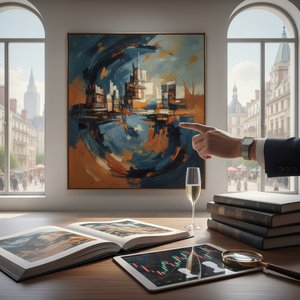
The traditional valuation of art has always been complex, extending beyond mere aesthetic appeal to encompass provenance, historical context, and speculative future worth. This inherent subjectivity often favored those ‘in the know,’ creating a barrier for newcomers. Now, online platforms are dismantling these barriers, offering unprecedented transparency and access to information. High-resolution images allow potential buyers to scrutinize brushstrokes and textures with remarkable detail, while detailed artist biographies and provenance records provide valuable context. The rise of digital curation—the careful selection, preservation, and presentation of art in virtual spaces—further enhances this accessibility. Platforms like Google Arts & Culture offer immersive virtual tours of museums around the globe, bringing masterpieces directly into homes and allowing viewers to explore collections at their own pace. This isn’t simply about replicating the gallery experience online; it's about expanding its reach and fostering a more inclusive art community.
The impact extends beyond individual collectors. Artists themselves are empowered by these platforms, bypassing traditional gatekeepers and connecting directly with audiences across continents. Social media has become an indispensable tool for self-promotion, allowing artists to showcase their work, build brand awareness, and cultivate relationships with potential buyers. This shift isn’t merely about convenience; it represents a fundamental change in the power dynamics of the art world.
Virtual Consultation: A Personalized Path to Fine Art Acquisition
The pursuit of acquiring fine art has historically been an immersive—and often daunting—process. It involved extensive travel, gallery visits, and reliance on personal relationships with dealers and advisors. The pressure of physical environments, coupled with the complexities of valuation and provenance, could be overwhelming for even seasoned collectors. Enter virtual consultation: a personalized service that bridges geographical distances and provides expert guidance remotely. This isn’t simply about replicating the in-person experience online; it's about enhancing it through convenience, accessibility, and tailored expertise.
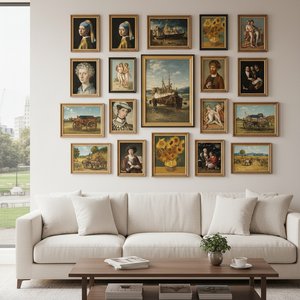
Virtual art advisory services typically begin with an in-depth conversation—often conducted via video conferencing—to understand the collector’s aesthetic preferences, spatial requirements, and investment goals. Advisors then curate selections of artworks that align with these needs, presenting them digitally alongside detailed provenance information, high-resolution images, and even virtual room visualizations. Imagine being able to ‘place’ a Monet in your living room before committing to a purchase—a level of personalization previously unavailable. The benefits are numerous: reduced travel costs, access to a wider range of expertise, increased transparency, and the ability to make informed decisions from the comfort of your own home.
The role of the art advisor is evolving in this digital landscape. They are no longer simply gatekeepers; they are guides, educators, and trusted partners who help collectors navigate the complexities of the market. This personalized approach fosters a deeper connection between collector and artwork, ensuring that each acquisition is not merely an investment but a meaningful addition to a personal collection.
Building Your Collection Online: Navigating Marketplaces & Authenticity
The art market is the marketplace of buyers and sellers trading commodities, services, and works of art. The art market follows an economic model that considers more than supply and demand; it is a market where art is bought and sold for values based...
The proliferation of online art marketplaces has created unprecedented opportunities for collectors worldwide. Platforms like Artsy, Saatchi Art, and ArtsDot.com offer curated spaces for artists to sell their work directly to buyers, bypassing traditional gallery structures. However, this increased accessibility also comes with inherent risks. Navigating the complexities of authenticity, provenance, and valuation requires careful due diligence.
One of the primary challenges is verifying the artist’s credentials and ensuring the artwork’s legitimacy. Reputable platforms employ authentication services and secure payment processing to mitigate these risks, but collectors must remain vigilant. Thoroughly researching the artist’s background, examining provenance records, and seeking expert appraisals are essential steps in the acquisition process. The art market's inherent lack of transparency—with private sales data often unavailable—further complicates valuation efforts. Collectors may rely on independent appraisers or consult with trusted advisors to assess the fair market value of an artwork.
The rise of digital reproductions also raises questions about originality and intellectual property rights. Ensuring that artworks are legally sourced and properly licensed is paramount. Platforms like ArtsDot.com offer hand-painted reproductions created by skilled artists, providing a transparent alternative for those seeking museum-quality pieces at accessible price points. However, it’s crucial to understand the distinction between original artwork and reproduction—and to make informed decisions based on your individual preferences and investment goals.
Custom Creations: The Rise of Photo-to-Painting and Commissioned Artwork
Collectors are increasingly seeking unique pieces that reflect their personal tastes and experiences. This has led to a surge in demand for custom reproductions, photo-to-painting services, and commissioned artwork—a trend fueled by the power of digital technology. The desire isn’t simply about owning art; it's about possessing something deeply personal and meaningful.
Digital tools play a crucial role in facilitating these requests. Artists can utilize software to create mockups, refine compositions, and ensure client satisfaction before beginning the physical creation process. Photo-to-painting services allow collectors to transform cherished memories into artworks styled after their favorite masters or contemporary artists—imagine a family portrait reimagined in the style of Van Gogh or Monet. Commissioned artwork offers even greater flexibility, allowing collectors to collaborate directly with artists to create unique pieces tailored to their specific requirements.
The ability to customize size, framing, and materials further enhances the personalization process. This trend is driven by a desire for authenticity and self-expression, as collectors seek artworks that resonate with their individual stories and experiences. Platforms like ArtsDot.com offer seamless tools for uploading photos, selecting styles, and communicating directly with artists—making the creation of custom artwork accessible to everyone.
The Future of Art Ownership: NFTs, the Metaverse, and Digital Provenance
The intersection of art and technology extends far beyond virtual exhibitions and online marketplaces. Emerging trends such as Non-Fungible Tokens (NFTs), augmented reality experiences, and the metaverse are reshaping the landscape of art ownership and collection. These innovations present both exciting opportunities and complex challenges.
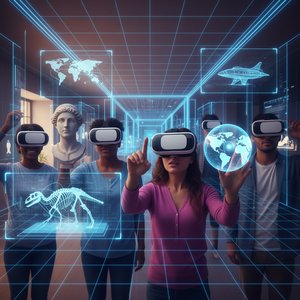
NFTs—unique digital assets that represent ownership of artworks—have disrupted traditional notions of scarcity and authenticity. While the market has experienced volatility, NFTs offer a new way for artists to monetize their work and collectors to support emerging talent. Augmented reality (AR) technology allows collectors to visualize artworks in their own spaces before making a purchase, enhancing the immersive experience and reducing uncertainty. The metaverse—a virtual world where users can interact with digital assets—is creating new opportunities for art ownership and collection. Virtual galleries within the metaverse allow collectors to showcase their artwork, attend virtual exhibitions, and engage with other art enthusiasts.
These emerging trends are blurring the lines between physical and digital art, challenging traditional notions of ownership and authenticity. The integration of blockchain technology could enhance transparency and security within the art market, providing verifiable provenance information and preventing fraud. However, addressing issues such as environmental sustainability and accessibility remains crucial. As the art world continues to evolve, embracing innovation while upholding ethical standards will be paramount.