The Dawn of Direct Observation: From Studio Tradition to En Plein Air
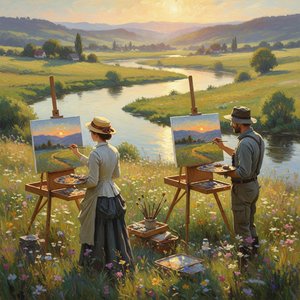
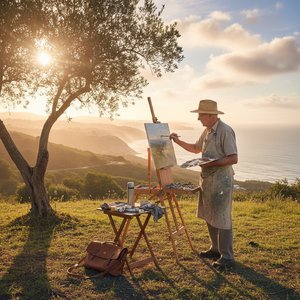
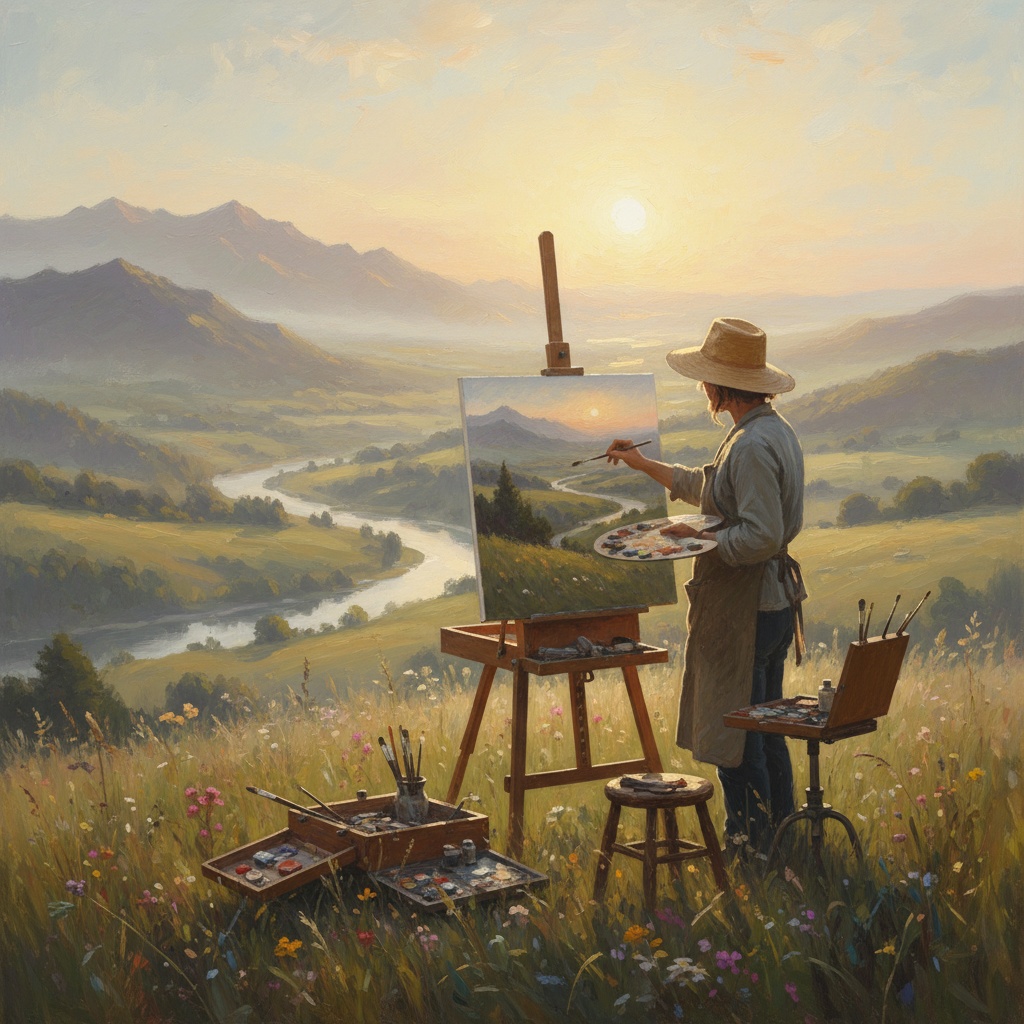
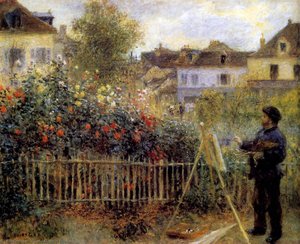
En plein air (pronounced [ɑ̃ plɛ.n‿ɛʁ]; French for 'outdoors'), or plein-air painting, is the act of painting outdoors. This method contrasts with studio painting or academic rules that might create a predetermined look. The theory of 'En plein air' ...
For centuries, the artist’s studio reigned supreme as the locus of creation. Landscapes were not experienced directly, but rather constructed from sketches, memory, and a prevailing academic ideal. The natural world served as inspiration, certainly, but was invariably filtered through the lens of convention – idealized forms, carefully balanced compositions, and a palette dictated by established rules. This approach, dominant since the Renaissance, prioritized intellectual interpretation over immediate sensory experience. The shift towards en plein air—French for “in the open air”—represented a radical departure, a yearning to capture not just *what* was seen, but *how* it was seen, in all its fleeting and ephemeral glory. It wasn’t merely about relocating the easel; it was a fundamental change in artistic philosophy, prioritizing direct observation as the key to unlocking truth and authenticity.
The seeds of this revolution were sown in the early 19th century with artists like John Constable and J.M.W. Turner in England. While still completing much of their work within the studio walls, they began to venture outdoors more frequently, making detailed studies directly from nature. Constable’s meticulous sketches, capturing the nuances of light and weather in Suffolk landscapes, were groundbreaking. He wasn't simply recording forms; he was attempting to grasp the very *feeling* of a place, the atmospheric conditions that imbued it with life. Turner, similarly, pushed the boundaries of landscape painting by focusing on the dramatic effects of light and color, often working rapidly outdoors to capture transient moments.
Constable, Corot & The Barbizon School: Pioneering Artists of Outdoor Painting
Landscape painting, also known as landscape art, is the depiction in painting of natural scenery such as mountains, valleys, rivers, trees, and forests, especially where the main subject is a wide view—with its elements arranged into a coherent compo...
However, it was the French artists of the Barbizon School who truly laid the groundwork for plein air painting as a sustained practice. Rejecting the polished formality of Neoclassicism and Romanticism, these painters – including Théodore Rousseau, Jean-François Millet, and Camille Corot – sought to depict the natural world with honesty and emotional depth. They established a colony in Barbizon, near the Forest of Fontainebleau, immersing themselves in the landscape and painting directly from nature. While not exclusively working outdoors for finished pieces, their dedication to observing nature firsthand was pivotal.
Jean-Baptiste-Camille Corot, though often associated with a more lyrical and idealized style, played a crucial role in bridging the gap between studio tradition and direct observation. His early landscapes were meticulously composed, but his later works demonstrate a growing spontaneity and sensitivity to atmospheric effects, achieved through increased outdoor study. He influenced generations of artists with his emphasis on tonal values and subtle color harmonies. The Barbizon painters’ focus on realism and their rejection of academic art paved the way for the even more radical innovations that would follow.
Impressionism's Embrace of Light and Atmosphere: Revolutionizing the Canvas
Impressionism was a 19th-century art movement characterized by visible brush strokes, open composition, emphasis on accurate depiction of light in its changing qualities (often accentuating the effects of the passage of time), ordinary subject matter...
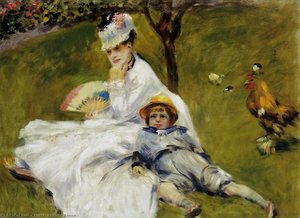
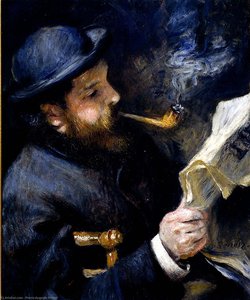
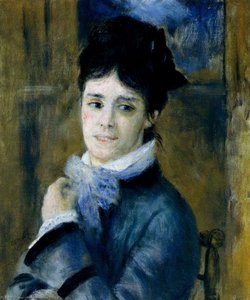
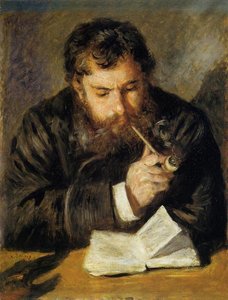
The true revolution, however, came with the Impressionists in the 1860s. Artists like Claude Monet, Pierre-Auguste Renoir, Camille Pissarro, and Alfred Sisley took the principles of en plein air to their logical conclusion. They abandoned the studio almost entirely, choosing instead to paint directly before their subjects, capturing the fleeting effects of light and atmosphere with unprecedented immediacy. This was a deliberate rejection of established norms – a refusal to compromise the sensory experience for the sake of academic correctness.
The name “Impressionism” itself arose from Monet’s painting *Impression, soleil levant* (1872), which sparked criticism for its seemingly unfinished quality. Critics derided the visible brushstrokes and lack of precise detail, but it was precisely this emphasis on capturing a momentary impression that defined the movement. The Impressionists weren't interested in creating perfect representations; they sought to convey the *feeling* of being present in a particular moment, bathed in specific light conditions. They developed techniques – broken color, rapid brushwork, and an emphasis on optical mixing – specifically designed to capture these transient effects.
Techniques of Plein Air: Capturing Transience in Oil Paint
Painting en plein air presented unique challenges. Artists had to contend with rapidly changing light conditions, unpredictable weather, and the logistical difficulties of transporting materials outdoors. This necessitated a shift in technique. The invention of portable paint tubes in the mid-19th century was crucial, allowing artists to easily carry their palettes into the landscape. However, even with this innovation, speed and efficiency were paramount.
Impressionists typically worked on small canvases, completing paintings quickly – often within a few hours – to capture the essence of a particular moment. They employed broken color—applying pure, unmixed colors side-by-side, allowing the viewer’s eye to blend them optically. This technique created a vibrant, shimmering effect that mimicked the way light interacts with surfaces in nature. Rapid brushwork and loose compositions further emphasized the immediacy of the experience. The goal wasn't to create a polished masterpiece, but rather to capture a fleeting impression before it vanished.
Beyond France: Global Expressions of En Plein Air Painting
While en plein air painting originated in France, its influence quickly spread across Europe and beyond. Artists in Italy, like the Macchiaioli movement, embraced direct observation and spontaneous brushwork, focusing on capturing the effects of light and atmosphere in Tuscan landscapes. In America, the Hudson River School painters initially focused on grand, idealized depictions of the American West, but later artists began to adopt plein air techniques, influenced by European Impressionism.
American Impressionism, emerging in the late 19th and early 20th centuries, blended academic training with the principles of Impressionism. Artists like John Singer Sargent and William Merritt Chase embraced outdoor painting, capturing scenes of American life and landscapes with a distinctive style. The practice also took root in Romania, where Ion Andreescu captured the beauty of his native countryside with vibrant colors and expressive brushwork.
The Enduring Legacy & Modern Revival of Painting Outdoors
The legacy of en plein air painting extends far beyond the Impressionist movement. It fundamentally changed the way artists approached landscape painting, prioritizing direct observation and sensory experience over academic convention. It continues to inspire artists today, who embrace the challenges and rewards of working directly from nature.
Contemporary painters continue to explore the techniques and principles pioneered by their predecessors, adapting them to suit their own artistic visions. The act of painting outdoors remains a powerful way to connect with the natural world and capture its beauty in all its fleeting glory. At ArtsDot, we celebrate this enduring legacy by offering high-quality reproductions of masterpieces created en plein air, allowing you to experience the vibrancy and immediacy of these iconic works in your own home. Explore our collection today and discover the magic of painting outdoors.