The Dawn of Impressionism: Challenging Academic Traditions
Impressionism was a 19th-century art movement characterized by visible brush strokes, open composition, emphasis on accurate depiction of light in its changing qualities (often accentuating the effects of the passage of time), ordinary subject matter...
The mid-19th century art world was a realm governed by rigid rules, dictated by the Académie des Beaux-Arts in France. Historical and mythological scenes, meticulously rendered with precise detail and dramatic lighting, were the hallmarks of success. Artists toiled for years mastering techniques designed to create illusions of reality – a reality often idealized and distant from everyday life. But beneath this polished surface, a quiet rebellion was brewing. A new generation of painters, disillusioned with the constraints of academic tradition, sought a different path: one that embraced subjectivity, spontaneity, and the fleeting beauty of the modern world. They weren’t interested in depicting grand narratives; they wanted to capture *impressions* – momentary sensations of light, color, and atmosphere.
This nascent movement wasn't born from a single manifesto but rather from shared frustrations and evolving artistic philosophies among a small circle of artists like Claude Monet, Pierre-Auguste Renoir, Alfred Sisley, and Frédéric Bazille. They questioned the very foundations of painting, challenging the emphasis on precise representation in favor of capturing the *feeling* of a scene. Early gatherings at the Café Guerbois became hotbeds of debate, where these radical ideas were forged. The rejection of their work by the official Salon exhibitions only solidified their resolve and ultimately led to the formation of independent exhibitions – the first of which in 1874, ironically, gave birth to the name “Impressionism” through a scathing critique of Monet’s painting, *Impression, soleil levant*.
Plein Air Painting: Capturing the Ephemeral Moment in Nature
En plein air (pronounced [ɑ̃ plɛ.n‿ɛʁ]; French for 'outdoors'), or plein-air painting, is the act of painting outdoors. This method contrasts with studio painting or academic rules that might create a predetermined look. The theory of 'En plein air' ...
Central to this revolution was the practice of en plein air – painting outdoors directly from nature. Prior to this, artists typically sketched outdoors and completed their works in the studio, relying on memory and imagination. But the Impressionists believed that capturing the true essence of light and atmosphere required direct observation. This wasn’t merely a technical shift; it was a fundamental change in perspective. By immersing themselves in the landscape, they sought to record the subtle nuances of sunlight filtering through trees, the shifting colors of water, and the ever-changing moods of the sky.
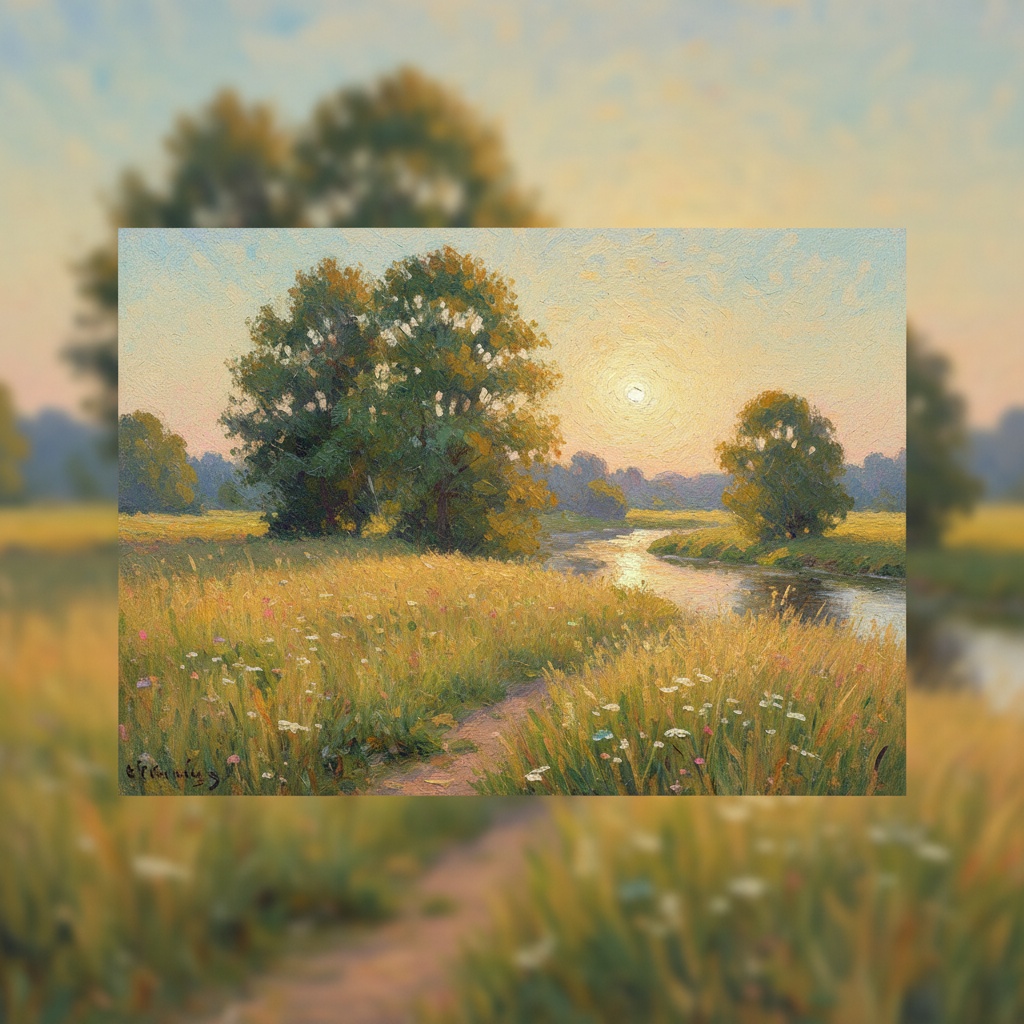
The invention of portable paint tubes played a crucial role in enabling this practice. Suddenly, artists were no longer tethered to their studios; they could easily transport their materials and work directly on location. This freedom allowed them to respond instantly to the fleeting effects of light and weather, resulting in paintings that possessed an unprecedented sense of immediacy and vibrancy. Artists like Pericles Pantazis, as seen in his evocative “April,” beautifully demonstrate this commitment to capturing serene beauty and atmospheric light through direct observation. The challenge wasn’t simply replicating what they saw but translating the *sensation* of being present in a particular moment.
Key Masters of Light & Atmosphere: Monet, Renoir, and Beyond
 The Fleeting Moment: Exploring Impressionism and its Enduring Legacy
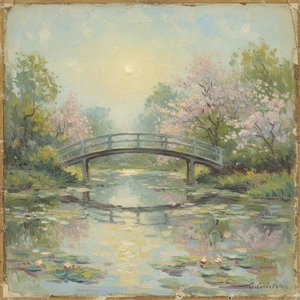
Explore the captivating world of Impressionism! Discover its history, key artists like Monet & Renoir, techniques, and enduring influence on modern art. Find high-quality reproductions at .
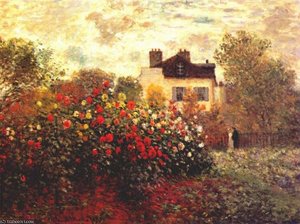
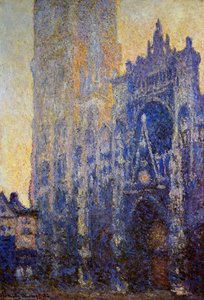
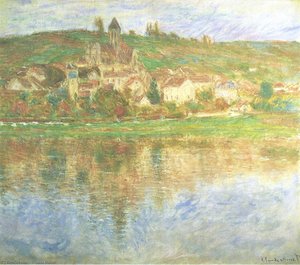
While many artists contributed to the Impressionist movement, certain figures stand out as pivotal innovators. Claude Monet, arguably the most iconic Impressionist, dedicated his career to exploring the effects of light on various subjects – from water lilies in his Giverny garden to haystacks bathed in golden sunlight. His series paintings, such as those depicting Rouen Cathedral at different times of day, exemplify his obsession with capturing the ephemeral qualities of light and atmosphere.
Pierre-Auguste Renoir, known for his depictions of Parisian social life, brought a sense of warmth and intimacy to Impressionism. His paintings often feature figures bathed in dappled sunlight, capturing moments of joy and leisure. Beyond France, artists like Guy Orlando Rose embraced the principles of Impressionism, bringing them to California landscapes with vibrant hues and brushwork that reflected the plein air style. His “Country Landscape” is a testament to this influence, showcasing his ability to capture light and atmosphere in a distinctly American setting. Anna Huntington Stanley’s “Path to a Cottage,” similarly, evokes the warm tones and atmospheric beauty of rural America through an Impressionist lens.
Brushstroke and Color Theory: The Techniques Defining the Movement
Impressionist paintings are instantly recognizable for their distinctive brushwork – short, broken strokes of pure, unmixed color applied directly to the canvas. This technique wasn’t simply about creating a looser style; it was rooted in scientific understanding of optics. Impressionists observed that colors aren't perceived as fixed entities but rather as combinations of light wavelengths. By juxtaposing complementary colors and avoiding blending, they aimed to create a more vibrant and luminous effect.
The emphasis wasn’t on creating smooth transitions or realistic textures; it was about capturing the way light interacts with color. This approach required a radical departure from traditional painting techniques. Artists abandoned the use of dark shadows and instead used complementary colors to create contrast and depth. They also embraced the idea of optical mixing – allowing the viewer's eye to blend the colors together, creating a sense of movement and vibrancy. The result is paintings that feel alive with light and energy.
Impressionism's Lasting Influence on Modern Art and Contemporary Landscapes
The impact of Impressionism extended far beyond its initial embrace in France. It paved the way for subsequent art movements, including Post-Impressionism, Fauvism, and Cubism, each building upon the foundations laid by Monet, Renoir, and their contemporaries. The emphasis on subjectivity, spontaneity, and experimentation liberated artists from the constraints of academic tradition, opening up new possibilities for artistic expression.
Today, Impressionist paintings continue to captivate audiences with their beauty and emotional resonance. Their influence can be seen in countless contemporary landscapes that strive to capture the fleeting moments of light and atmosphere. At ArtsDot, we are dedicated to making these masterpieces accessible to everyone through high-quality reproductions and expert art consultation. Whether you’re a seasoned collector or simply beginning your artistic journey, exploring the world of Impressionism is an invitation to see the beauty in everyday moments and appreciate the power of light and color.