
The Dawn of Impressionism: Challenging Academic Traditions
Impressionism was a 19th-century art movement characterized by visible brush strokes, open composition, emphasis on accurate depiction of light in its changing qualities (often accentuating the effects of the passage of time), ordinary subject matter...
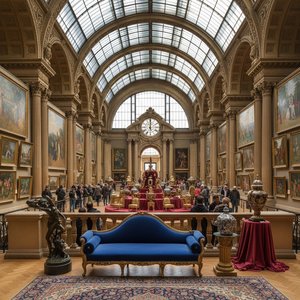
For centuries, the art world adhered to a strict hierarchy dictated by the Académie des Beaux-Arts in France. Historical and mythological scenes, rendered with meticulous detail and polished precision, were prized above all else. Artists labored for years mastering techniques designed to create illusions of reality – perfect perspective, idealized forms, and dramatic narratives. But beneath this veneer of order, a quiet rebellion was brewing. A new generation of painters, disillusioned with the constraints of academic tradition, began to seek alternative ways of representing the world around them. They weren’t interested in grand stories or moral lessons; they wanted to capture the fleeting beauty of everyday life, the ephemeral effects of light and atmosphere, and their own subjective experience of a moment in time.
This burgeoning movement found early expression in the works of artists like Gustave Courbet, whose commitment to Realism – depicting subjects as they truly were, without idealization – paved the way for a more radical departure. However, it was a group of young painters meeting at Charles Gleyre’s studio—Claude Monet, Pierre-Auguste Renoir, Alfred Sisley, and Frédéric Bazille—who would ultimately ignite the Impressionist revolution. They shared a dissatisfaction with the established norms and a desire to paint en plein air, directly from nature, rather than relying on sketches made in the studio.
The initial reception was far from welcoming. Their canvases, characterized by visible brushstrokes and a lack of traditional finish, were often dismissed as unfinished or amateurish. Critics derided their work, finding it lacking in substance and skill. Yet, these artists persevered, driven by a conviction that they had discovered a new way of seeing – and representing – the world.
En Plein Air: The Revolutionary Act of Painting Outdoors
En plein air (pronounced [ɑ̃ plɛ.n‿ɛʁ]; French for 'outdoors'), or plein-air painting, is the act of painting outdoors. This method contrasts with studio painting or academic rules that might create a predetermined look. The theory of 'En plein air' ...
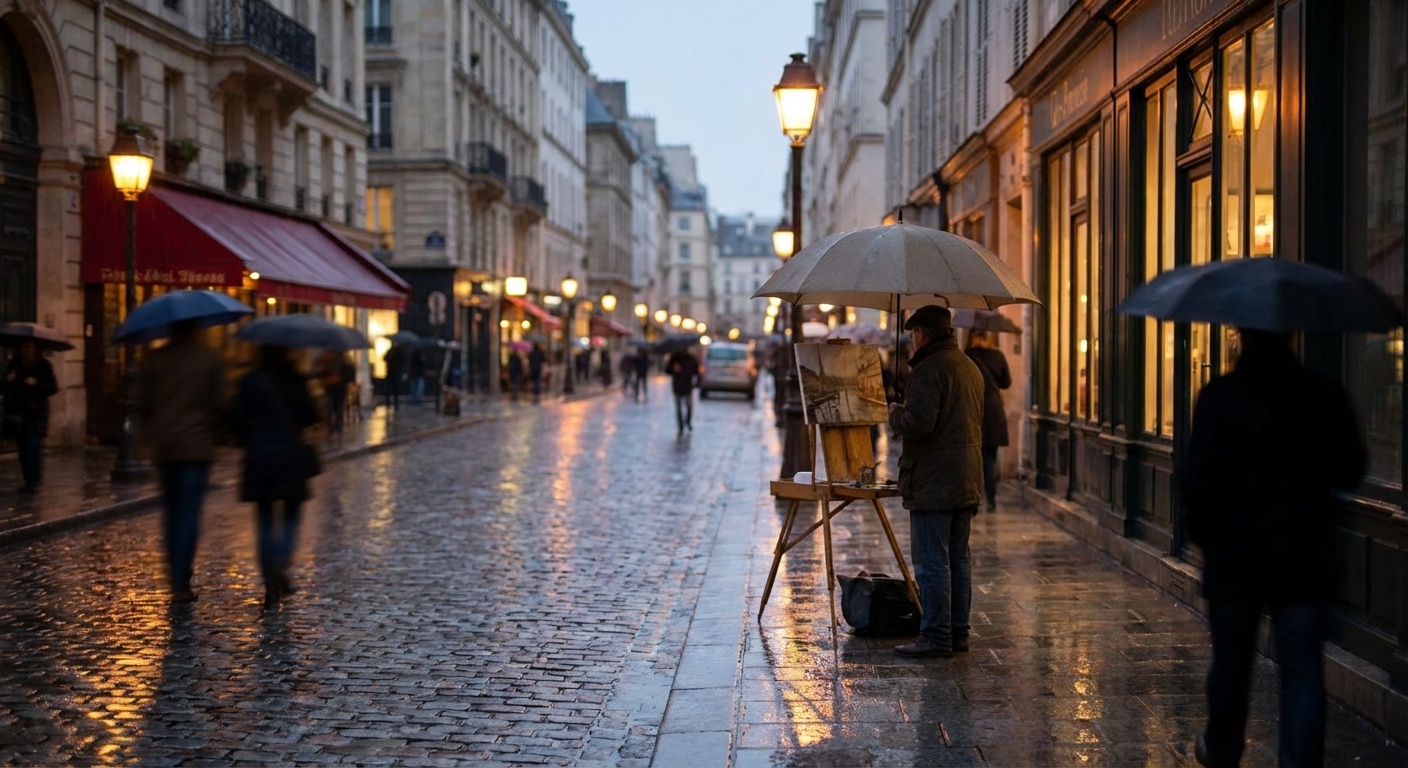
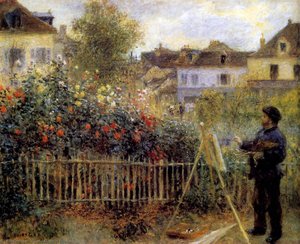
The practice of painting en plein air—French for “in open air”—was central to the Impressionist project. Prior to this, artists typically completed their paintings in the studio, relying on preliminary sketches and memory. But Monet and his colleagues recognized that capturing the subtle nuances of light and color required direct observation. They set up their easels outdoors, confronting the challenges of changing weather conditions and the fleeting passage of time.
This wasn’t merely a technical shift; it represented a fundamental change in artistic philosophy. By immersing themselves in the landscape, they sought to record not just what they saw, but how they felt—the sensation of sunlight filtering through trees, the shimmering reflections on water, the vibrant hues of a summer meadow. The invention of portable paint tubes made this practice more feasible, allowing artists to easily transport their materials and work directly from nature. Pierre-Henri de Valenciennes had theorized about landscape portraiture in 1800, but it was the Impressionists who truly embraced and perfected the technique.
Consider Claude Monet’s series of paintings depicting haystacks or Rouen Cathedral. These weren't attempts to create definitive representations of these subjects; rather, they were explorations of how light transformed their appearance at different times of day and under varying atmospheric conditions. Each painting is a unique record of a specific moment, capturing the ephemeral beauty of light and shadow.
Mastering Light & Color: Techniques of the Impressionist Palette
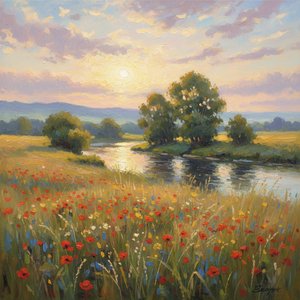 Capturing Fleeting Light: A Comprehensive Exploration of Impressionistic Landscape Painting
Explore the captivating world of Impressionistic landscape painting! Discover techniques, key artists like Monet & Renoir, and its lasting influence on art history. A comprehensive guide for enthusiasts.
The Impressionists weren’t simply interested in depicting reality; they were fascinated by how we perceive reality. They understood that our eyes don't register colors as solid blocks, but rather as a constantly shifting interplay of light and shadow. To capture this effect on canvas, they adopted several innovative techniques.
One key principle was the use of broken color – applying small, distinct brushstrokes of pure, unmixed pigments side-by-side, allowing the viewer’s eye to blend them optically. This created a vibrant, shimmering effect that mimicked the way light reflects off surfaces. They also minimized the use of black and dark tones, instead opting for complementary colors to create shadows and depth. For example, rather than using black to depict shade, they might employ blues or violets.
The study of optics played a crucial role in their approach. They observed how light interacts with different surfaces, creating reflections, refractions, and atmospheric effects. This led them to experiment with color theory, understanding that colors are not fixed but relative – their appearance changes depending on the surrounding hues. Monet’s “Sailing Boats at Honfleur” exemplifies this meticulous observation of changing light conditions, resulting in a serene depiction that continues to resonate today.
Key Figures and Iconic Works of the Impressionist Movement
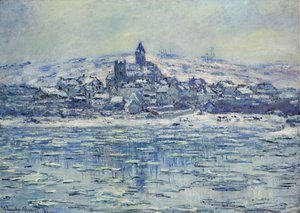 Vetheuil, Ice Floes
'Vetheuil, Ice Floes' was created in 1881 by Claude Monet in Impressionism style. Find more prominent pieces of cityscape at Wikiart.org – best visual art ...
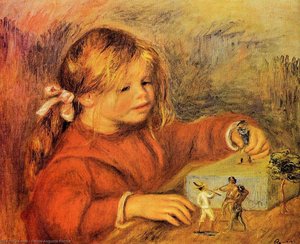
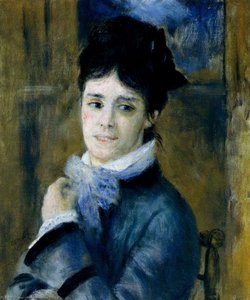
While Claude Monet is often considered the quintessential Impressionist, the movement encompassed a diverse group of artists, each with their unique style and vision. Pierre-Auguste Renoir celebrated the joys of Parisian life in paintings like “Luncheon of the Boating Party,” capturing the warmth and conviviality of social gatherings. Edgar Degas, known for his depictions of ballet dancers, focused on capturing movement and fleeting moments of grace. Camille Pissarro explored rural landscapes and urban scenes with a keen eye for detail.
Monet’s “Impression, soleil levant”, though initially ridiculed, became the namesake of the entire movement. Its loose brushstrokes and focus on atmospheric effects challenged conventional notions of painting. Renoir's works often featured vibrant colors and a sense of intimacy, while Degas’ compositions were characterized by unusual angles and dynamic energy.
Beyond these central figures, artists like Berthe Morisot and Mary Cassatt brought their own perspectives to the Impressionist aesthetic, depicting scenes of domestic life and female subjects with sensitivity and nuance. Their contributions challenged societal norms and expanded the scope of the movement.
Beyond France: The Global Impact and Evolution of Impressionism
Though originating in France, the influence of Impressionism quickly spread across Europe and beyond. Artists in Italy, such as the Macchiaioli, were exploring similar techniques of plein air painting and capturing light effects. In England, the Newlyn School embraced the practice of outdoor painting, focusing on scenes of coastal life.
In America, artists like Winslow Homer adopted Impressionist principles to depict landscapes and marine subjects with a fresh perspective. The movement also had a profound impact on subsequent art movements, including Post-Impressionism, Fauvism, and Cubism. Artists like Van Gogh and Cézanne built upon the foundations laid by the Impressionists, pushing the boundaries of color, form, and expression.
The legacy of Impressionism extends beyond painting itself. Its emphasis on subjective experience and capturing fleeting moments influenced literature, music, and photography, shaping the way we perceive and represent the world around us.
The Enduring Legacy: Impressionism's Influence on Modern Art
Impressionism’s radical departure from academic tradition paved the way for a new era in art history. By prioritizing light, color, and personal experience, they liberated artists from the constraints of realism and opened up endless possibilities for creative expression.
The movement's emphasis on capturing the ephemeral beauty of everyday life continues to resonate with audiences today. Its influence can be seen in countless works of modern art, from the vibrant brushstrokes of Post-Impressionist paintings to the abstract forms of contemporary landscapes. The Impressionists’ legacy is a testament to the power of observation, experimentation, and the pursuit of artistic innovation.
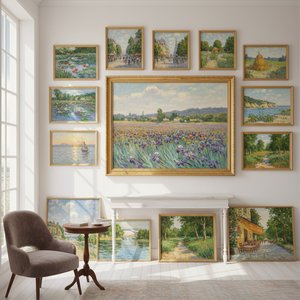
At ArtsDot.com, we celebrate this enduring legacy by offering high-quality reproductions of iconic Impressionist masterpieces. Explore our collection and discover the beauty and brilliance of Monet, Renoir, Degas, and their contemporaries – bringing a touch of timeless elegance to your home or office.